


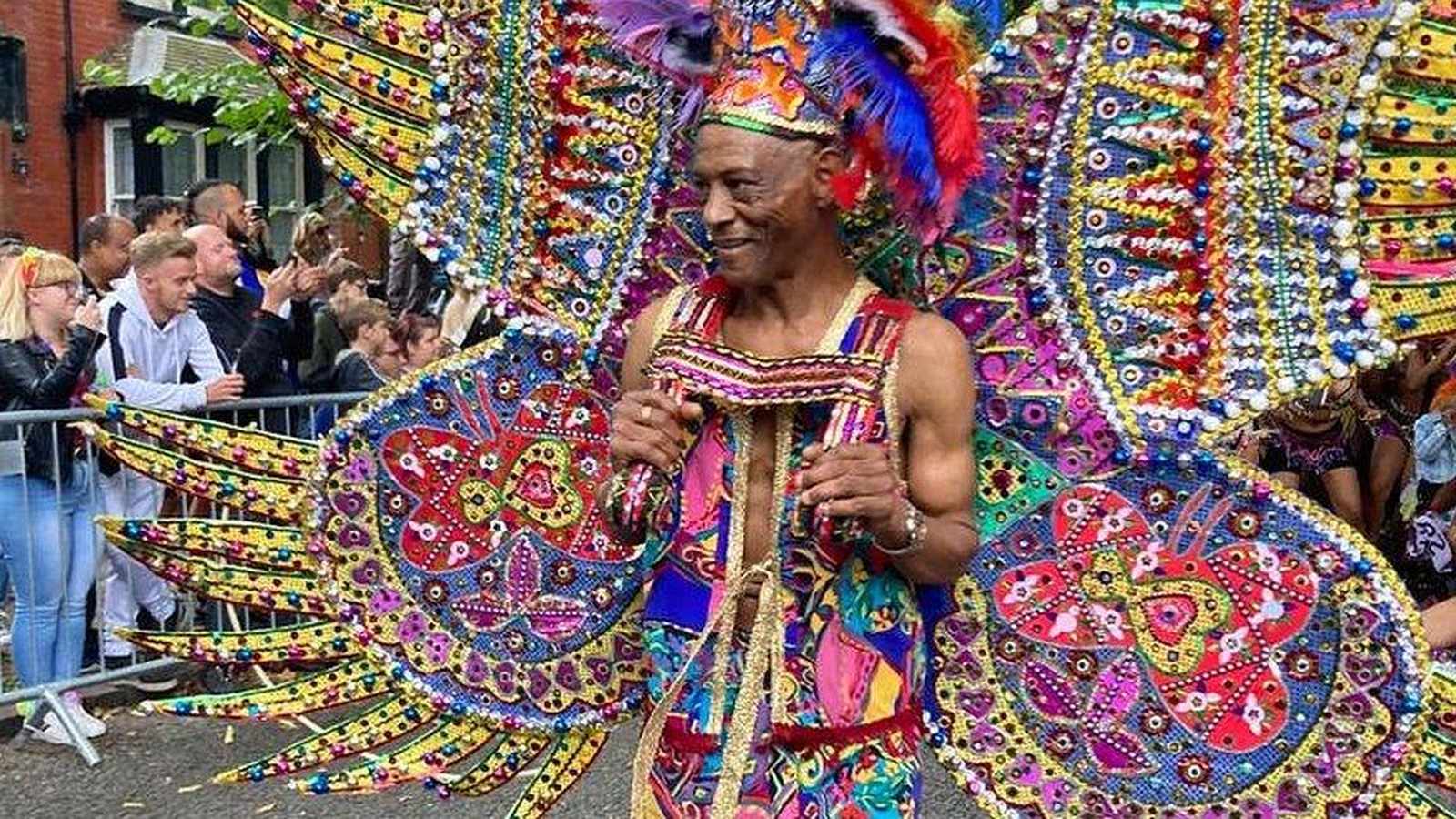
A Legacy of Celebration in Chapeltown
The streets of Chapeltown were transformed into a sea of color and sound this August Bank Holiday weekend as thousands turned out for the 59th Leeds West Indian Carnival. The event, which has become a cornerstone of the city’s cultural calendar, celebrated the enduring influence of the Caribbean community in Yorkshire.
The main parade, which commenced at 2:00 PM on Monday, August 31, 2026, saw troupes in elaborate feathered headdresses and costumes dance through a route spanning Harehills Avenue, Spencer Place, Roundhay Road, Barrack Road, and Chapeltown Road. Performers moved to the rhythms of steel pans, soca, reggae, and calypso, completing two laps before returning to Potternewton Park for further festivities.
Beyond the Parade
The 2026 celebrations extended well beyond the Monday procession. Sunday’s Black Music Festival at Potternewton Park offered a diverse lineup of live performances, including reggae, dancehall, rap, grime, and R&B. Attendees also enjoyed a variety of food stalls serving Caribbean cuisine and family-oriented cultural showcases.
The festivities began early on Monday with the traditional J’Ouvert Morning, or “Pre-Jam.” This long-standing tradition saw participants gather at sunrise to cover each other in paint, mud, and powder, serving as an energetic prelude to the main parade later in the day.
Historical Context and Future Milestones
Founded in 1967 by Arthur France, who arrived in Leeds from Nevis, the carnival was established alongside pioneers Ian Charles and Gertrude Paul. According to records from the Yorkshire Evening Post, the initial event drew approximately 1,000 spectators for a procession from Potternewton Park to Leeds Town Hall. Reflecting on the origins of the event, France noted that the idea was initially met with skepticism, only for the debut turnout to “shock” the local community.
As the carnival approaches its 60th anniversary in 2027, it remains a vital expression of heritage. The event continues to serve as a bridge between generations, maintaining the spirit of the original 1967 celebration while evolving to incorporate contemporary musical genres and cultural expressions.