


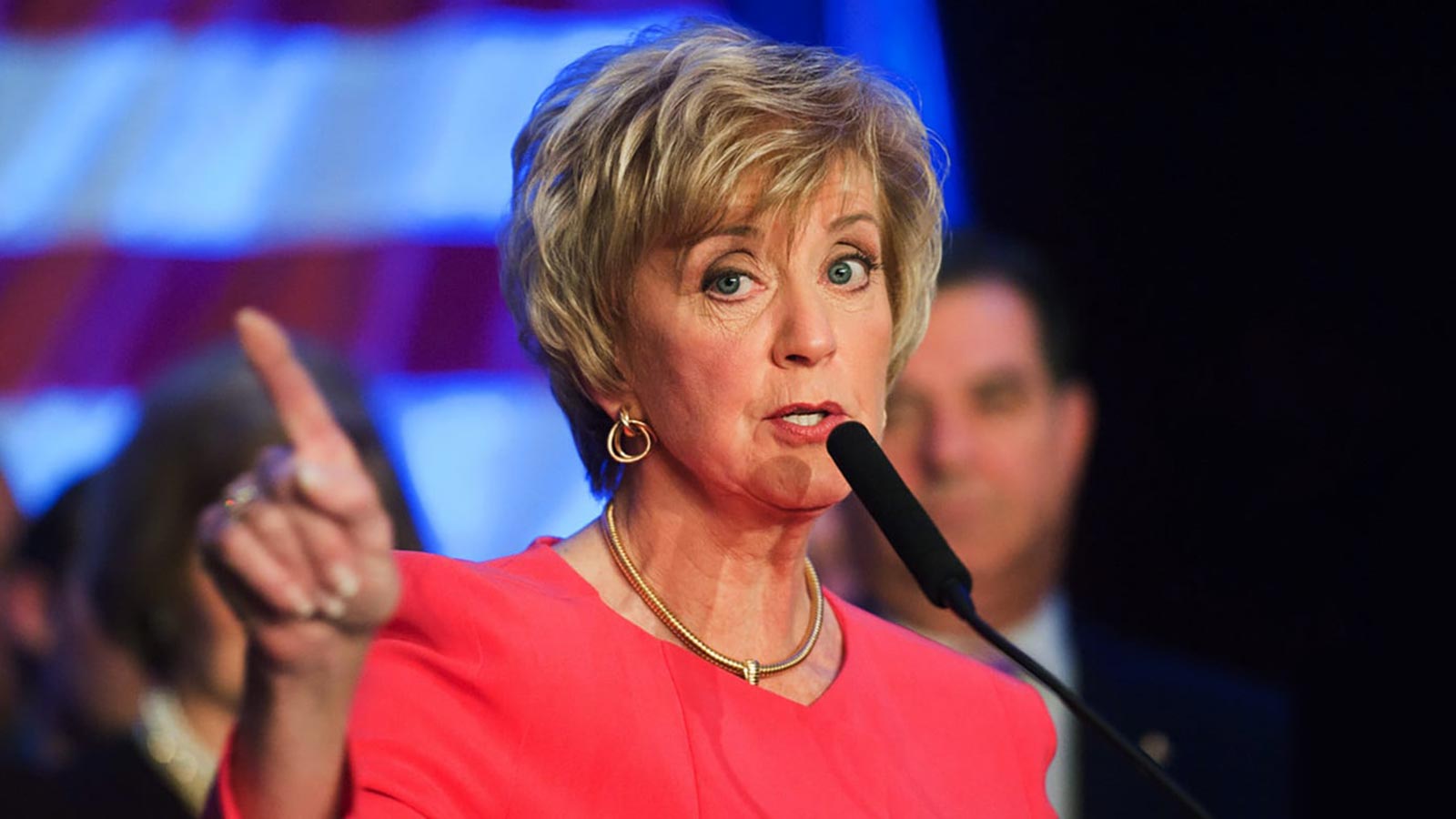
In November 2025, Linda McMahon, the U.S. Secretary of Education, stood at the heart of a transformative moment for American schools. She declared, in no uncertain terms, that the recent government shutdown had laid bare what she considered a fundamental truth: Americans, she claimed, do not need the Department of Education. It was a statement that ricocheted through the halls of power, stirring debate among educators, policymakers, and families nationwide.
McMahon announced six new interagency partnerships designed to cut through federal red tape and, as she put it, “streamline bureaucracy”. The real intent? To shift authority away from Washington and toward state agencies, local superintendents, and school boards. “Education is local,” McMahon insisted, “It should be overseen locally by those who best know local needs.” This philosophy underpinned her sweeping reforms, marking the Trump administration’s most decisive steps yet in reducing federal influence over education.
At a White House press briefing, Press Secretary Karoline Leavitt echoed McMahon’s vision. Leavitt described the agreements as “common sense action” that would finally bring education “where it belongs — at the state and local level, not in Washington, D.C.” For McMahon, the ultimate mission was clear: empower states to lead an “educational renaissance”. The rationale was compelling for supporters—a promise to prioritize students over bureaucracy, to make education more responsive and less encumbered by distant federal mandates.
Federal Grants Shift as Agencies Restructure
One of the most significant changes involves the rerouting of billions of dollars in federal grant programs. Notably, the Department of Labor will now oversee some of the largest federal funding streams for K-12 schools, including Title I money that supports schools serving low-income communities. On paper, it looks like a major administrative shake-up—a redistribution of resources meant to reinforce local control.
But behind the numbers, there’s a human story: educators, parents, and students wondering what these reforms mean for their daily lives. For decades, federal grants like Title I have helped struggling schools keep their doors open and provide vital services for vulnerable populations. The prospect of changing hands raises pressing questions about continuity, expertise, and equity.
Supporters Tout Flexibility; Critics Warn of Risks
Supporters of McMahon’s plan argue that local officials are best positioned to address the unique needs of their communities. They see the shift as a way to cut waste, empower educators, and foster innovation. “Our final mission as a department is to fully empower states,” McMahon said, suggesting that future generations will look back with gratitude for a system that put students first.
Yet not everyone is convinced. Critics warn that disrupting federal oversight could jeopardize programs that serve the nation’s most vulnerable students. Angélica Infante-Green, Rhode Island’s K-12 education chief, voiced concern over the loss of federal expertise. “People might think it’s just funding and giving them the money, but it’s not,” she told Associated Press. “It is about how to co-mingle some of the funds to educate a child. So if a child is in special education but is also a multilingual learner and they’re in poverty, how do you use that to educate the child holistically?”
For Infante-Green and others, the Department of Education isn’t just a funding pipeline—it’s a source of guidance on complex educational challenges. The fear is that other agencies, even with good intentions, may lack the nuanced expertise required to support students with overlapping needs.
What Does Local Control Really Mean?
The heart of the debate centers on what local control should look like. Proponents envision a landscape where states and districts innovate freely, unburdened by federal mandates. They argue that one-size-fits-all solutions rarely work in a country as diverse as the United States. Empowering local leaders, they say, is the surest way to foster excellence and accountability.
However, opponents worry about the risks of fragmentation. Without consistent federal standards and oversight, they argue, students in under-resourced areas could be left behind. They point to the historical role of the federal government in advancing civil rights and educational equity—reminding policymakers that progress hasn’t always come from the local level.
Looking Ahead: Uncertainty and Opportunity
McMahon’s reforms are set to reshape the education landscape for years to come. Billions of dollars are being moved, agencies are adjusting, and local officials are preparing for newfound responsibilities. The stakes are high: for some, it’s a long-overdue correction that will unleash creativity and local wisdom; for others, it’s a leap into the unknown that could undermine hard-won protections.
As the dust settles, families and educators are left with questions: Will local control deliver the results McMahon promises? Can states and districts maintain the programs that vulnerable students depend on? Or will the absence of federal oversight create new gaps in support and opportunity?
What’s clear is that the debate over federal versus local control is more than a matter of policy—it’s about values, priorities, and the future of American education. The next few years will reveal whether McMahon’s vision can deliver on its promise, or whether critics’ warnings will prove prescient.
Assessment: Linda McMahon’s push to decentralize U.S. education is a defining moment that could set a precedent for federal-state relations beyond the classroom. The plan promises flexibility and innovation, but also risks losing the expertise and safeguards that federal oversight provides. As the transition unfolds, the challenge will be balancing local empowerment with a commitment to equity and consistency for all students.