


A Watershed Moment for State Antitrust
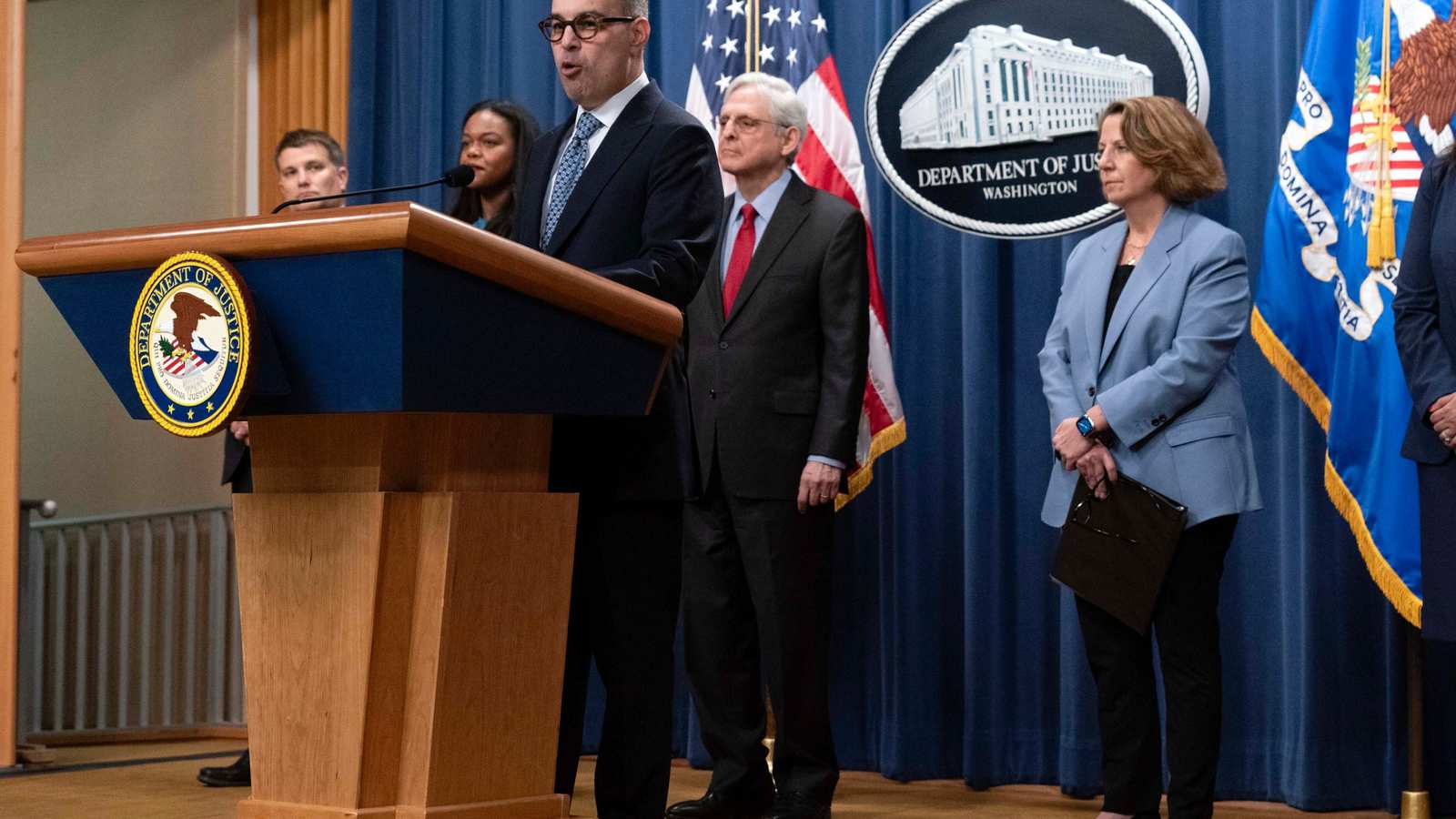
In April 2026, a federal jury delivered a landmark verdict finding Live Nation Entertainment liable for operating as an illegal monopoly. The decision concluded a high-stakes legal battle that pitted the interests of concertgoers against the corporate structure of the world’s largest live entertainment company. While the U.S. Department of Justice (DOJ) initially brought the suit in May 2024 under the Biden administration, the case took a dramatic turn when the Trump administration sought to settle with the company mid-trial.
Following a February 2026 meeting between President Donald Trump and Live Nation CEO Michael Rapino, the federal government moved to settle the antitrust litigation. Reports indicate the administration exerted significant pressure on state attorneys general to abandon the lawsuit, which sought to address the company’s control over venues, ticketing, and promotion. Despite the federal government’s withdrawal and subsequent settlement, a coalition of 33 states and the District of Columbia proceeded with the litigation, ultimately securing the jury’s finding of liability.
The Role of Executive Pressure
The case has highlighted growing tensions regarding the independence of the Justice Department and the influence of the executive branch on antitrust enforcement. According to reporting by the Wall Street Journal, the company utilized legal counsel with direct ties to the president to navigate the settlement process. Attorney General Pam Bondi reportedly warned state officials that the settlement was a personal priority for the president. This push was met with resistance from state leaders, such as Tennessee Attorney General Jonathan Skrmetti, who emphasized the necessity of enforcing antitrust laws to maintain market competition.
The jury’s verdict validates the states’ argument that Live Nation’s vertical integration—specifically its control over both venues and the Ticketmaster platform—stifled competition and inflated prices for consumers. With the company now found liable, the states are pursuing potential remedies, including the court-ordered divestiture of Ticketmaster. Such a move would represent a significant structural break from the 2010 merger that created the modern Live Nation entity.
Future Implications for Competition Law
The outcome of this case serves as a critical precedent for future antitrust enforcement. It demonstrates that state-led coalitions can act as a crucial check against federal shifts in policy. By persevering without the participation of the DOJ, these states have effectively challenged the limits of the “unitary executive” theory in the context of corporate regulation. As the court considers final remedies, the live music industry faces the possibility of being forced to restructure its business model to allow for greater competition in ticketing and venue management.