


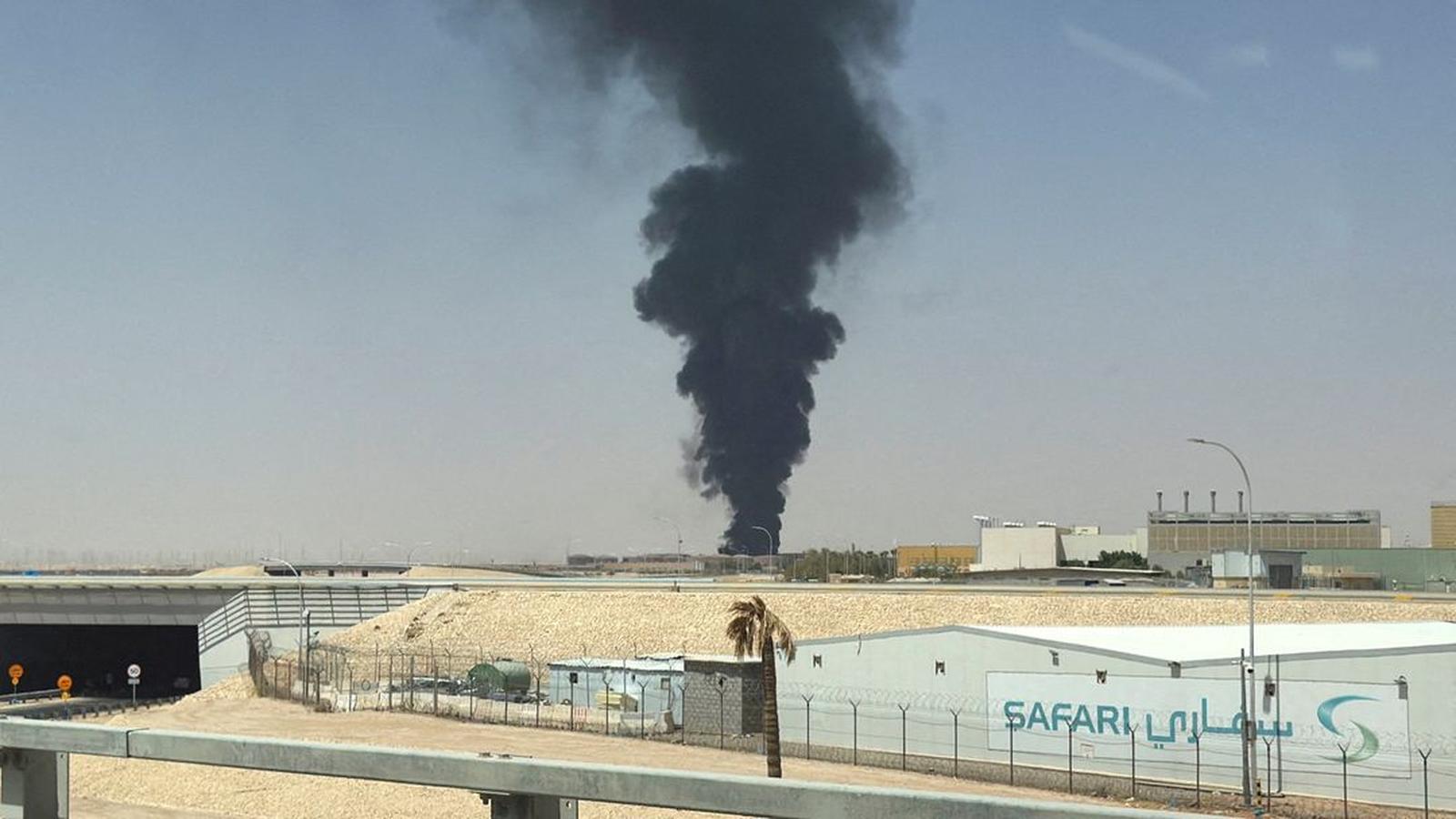
RIYADH (Azat TV) – A devastating Houthi missile attack targeting King Khalid International Airport in Riyadh has left at least 12 people dead and 309 others wounded, marking the deadliest strike on Saudi soil in over a decade. According to Al Jazeera, the Saturday assault struck civilian infrastructure and triggered an immediate wave of global condemnation and urgent diplomatic evaluations across Western and regional capitals.
Casualties and International Toll
The General Authority of Civil Aviation reported that the victims of the third airport attack this week included four Saudi citizens, two Bangladeshis, and individuals from the United States, Jordan, Palestine, Syria, Sudan, and Egypt. The 309 injured individuals included several patients in critical condition, compounding the humanitarian toll of an escalating regional conflict. Operations at the facility were immediately suspended, forcing widespread flight diversions as emergency responders managed the massive influx of wounded civilians.
The escalation follows a violent trajectory in Yemen, where a 2022 ceasefire has largely collapsed. In September, Houthi forces swept down Yemen’s Red Sea coast, capturing the port of Mokha and strategic islands in the Bab al-Mandab strait. In response, Saudi-backed government forces launched a comprehensive counteroffensive aimed at reclaiming Houthi-held territory, including the capital Sana’a, plunging the wider region back into full-scale conflict.
Global Condemnation and Diplomatic Fallout
World leaders swiftly united in condemning the attack. United States President Donald Trump described the strike as "terrible" and announced that Washington is actively evaluating whether to join Saudi Arabia’s offensive operations against the Houthi movement. US Secretary of State Marco Rubio confirmed that an American citizen was among the dead and called for an immediate cessation of the attacks, reaffirming Washington's solidarity with the kingdom.
United Nations Secretary-General António Guterres stated that he was deeply shocked by the lethal escalation, reiterating that attacks on civilian infrastructure violate international law and must cease immediately. UN Special Envoy for Yemen Hans Grundberg warned that strikes on civilian airports pose a grave threat to regional security, perpetuate cycles of violence, and severely undermine fragile peace efforts.
European leadership joined the chorus of censure. European Commission President Ursula von der Leyen characterized the assaults by Iran-backed proxies as a push toward a dangerous spiral of violence. EU foreign policy chief Kaja Kallas denounced the incident as an appalling act of terror, emphasizing the vital need for enhanced coordination between the EU's Red Sea naval operation Aspides and the Saudi-led Multinational Maritime Defense Coalition.
Regional and International Reactions
Regional powers also voiced vehement opposition to the escalation. Türkiye condemned the attack in the strongest terms, with the foreign ministry emphasizing that targeting civilian infrastructure constitutes a clear violation of international humanitarian law, as reported by TRT World. Turkish Presidency's Head of Communications, Burhanettin Duran, urged the international community to take a united stand against actions dragging the region into fresh chaos.
Similar denunciations poured in from Egypt, Qatar, Pakistan, Jordan, Oman, Palestine, Syria, India, Japan, Canada, and Malaysia, with leaders reaffirming their support for Saudi Arabia's territorial integrity and demanding an end to cross-border assaults. France and the United Kingdom echoed these sentiments, with UK Defense Secretary Wes Streeting labeling the attacks contemptible and warning of a dangerous pattern of behavior targeting civilian sites.
Strategic Implications and Next Steps
As diplomatic channels strain under the weight of the crisis, the military dimensions continue to widen. Following the initial strike on Riyadh, the Saudi-led coalition reported that an additional projectile struck a passenger terminal at King Fahd International Airport in Dammam, raising further alarms over the safety of the kingdom’s entire civilian aviation network. Meanwhile, Houthi media claimed that Sana’a airport in Yemen was struck by retaliatory airstrikes on Sunday.
With the UN Security Council holding emergency consultations and regional governments demanding immediate restraint, the risk of a broader conflagration remains high. The alignment of international naval coalitions, combined with Washington’s ongoing deliberations over direct military intervention, points toward a critical juncture in the multi-year conflict.