


Market Reaction to the White House Announcement
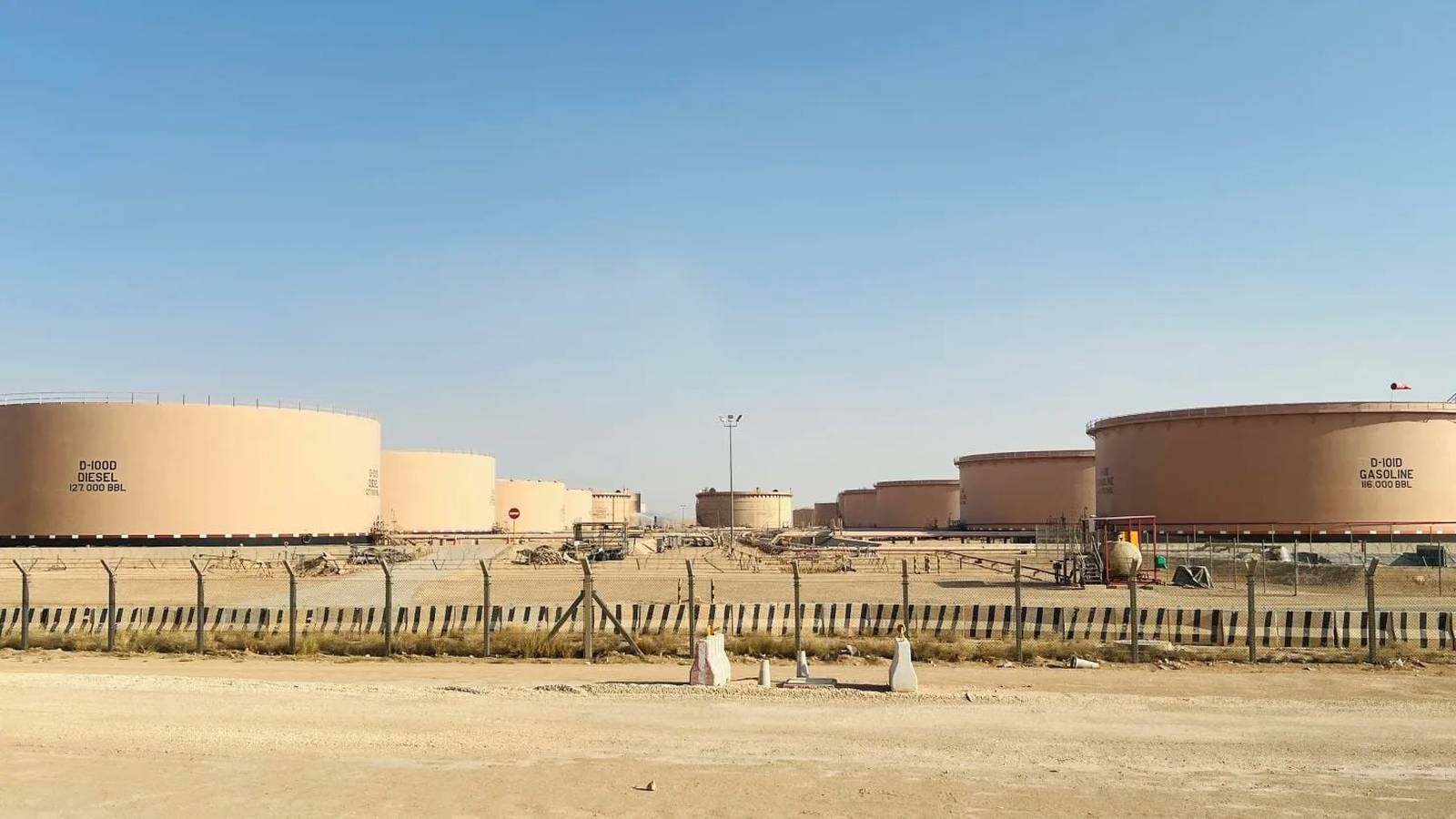
Global oil benchmarks experienced a downturn on Monday as markets reacted to statements regarding an immediate energy ceasefire between Russia and according to CNBC Africa. International benchmark Brent crude for December delivery dropped 0.77% to trade at $103.91 a barrel. Simultaneously, U.S. West Texas Intermediate futures for November declined 1.26%, settling at $90.69 per barrel. The downward price movement was driven by market optimism over potential supply improvements and a separate arrangement involving Russian diesel exports to global markets. This immediate reaction reflects how sensitive commodity trading desks remain to major geopolitical pronouncements from Washington, particularly when those declarations touch directly upon crucial supply corridors and production infrastructure in Eastern Europe.
Trading volumes expanded sharply in early Asian and European trading hours as algorithmic systems and institutional funds digested the unexpected news. The marginal retreat in crude prices offered a temporary reprieve to energy-importing economies grappling with persistently high inflation and constrained refining capacities. Analysts noted, however, that the relief rally was relatively contained compared to historical shocks, underscoring deep-seated market skepticism regarding the immediate enforceability and durability of informal declarations communicated primarily through digital social media channels rather than formal diplomatic protocols.
The Ceasefire Claims and Initial Confusion
The market shifts followed a social media statement issued Sunday by U.S. President Donald Trump declaring that an immediate energy ceasefire had been agreed upon by Moscow and Kyiv. “Effective immediately, there is an ENERGY CEASEFIRE in the War between Russia and Ukraine. Both parties have agreed. Do not break it!” Trump stated, according to NBC Bay Area. However, the announcement was met with immediate uncertainty. Ukrainian President Volodymyr Zelenskyy initially indicated to Axios that the proclamation was entirely unexpected, noting it was “news for me,” before clarifying that Kyiv would support the cessation of energy attacks if Russia officially committed to the terms.
The sequence of events highlighted a recurring communication gap between Washington and its European allies. While President Trump asserted that both warring nations had accepted the terms, there was no immediate confirmation from the Kremlin to substantiate the claim. Zelenskyy emphasized during subsequent media appearances that while his administration remained ready to halt strikes on Russian energy infrastructure, any such agreement required formal, verifiable mechanisms rather than unilateral declarations. Furthermore, the announcement arrived closely on the heels of a controversial U.S. initiative to lift sanctions on Russian fuel, a deal that Trump stated would introduce millions of tons of diesel back into the American and global marketplaces to alleviate domestic shortages.
Broader Supply Pressures and Geopolitical Volatility
Despite the temporary relief in crude prices, analysts emphasize that underlying market volatility remains high due to concurrent geopolitical crises. According to CNBC Africa, UOB reported that ongoing conflict in the Middle East and the operational impacts of Hurricane Isaias continue to threaten global energy supplies. The hurricane forced producers in the U.S. Gulf Coast to curtail offshore output as it approached with 120 mph winds, restricting crucial domestic crude extraction just as market participants were attempting to rebalance portfolios.
Regional tensions were compounded following Houthi missile strikes in Saudi Arabia, which struck the Riyadh airport, killed 12 people, injured over 300, and elevated risk premiums across international energy sectors. Concurrently, diplomatic discussions involving Iranian and Saudi officials continued, with Iran’s Minister of Foreign Affairs Abbas Araghchi engaging in high-level talks with Saudi Arabia’s Minister of Foreign Affairs Faisal bin Farhan bin Abdullah to address regional security escalations. Market analysts at UOB and other major financial institutions warn that these overlapping physical disruptions and security threats in the Middle East will likely maintain upward pressure on oil and fuel prices independently of any fragile developments in the Russia-Ukraine theater.