


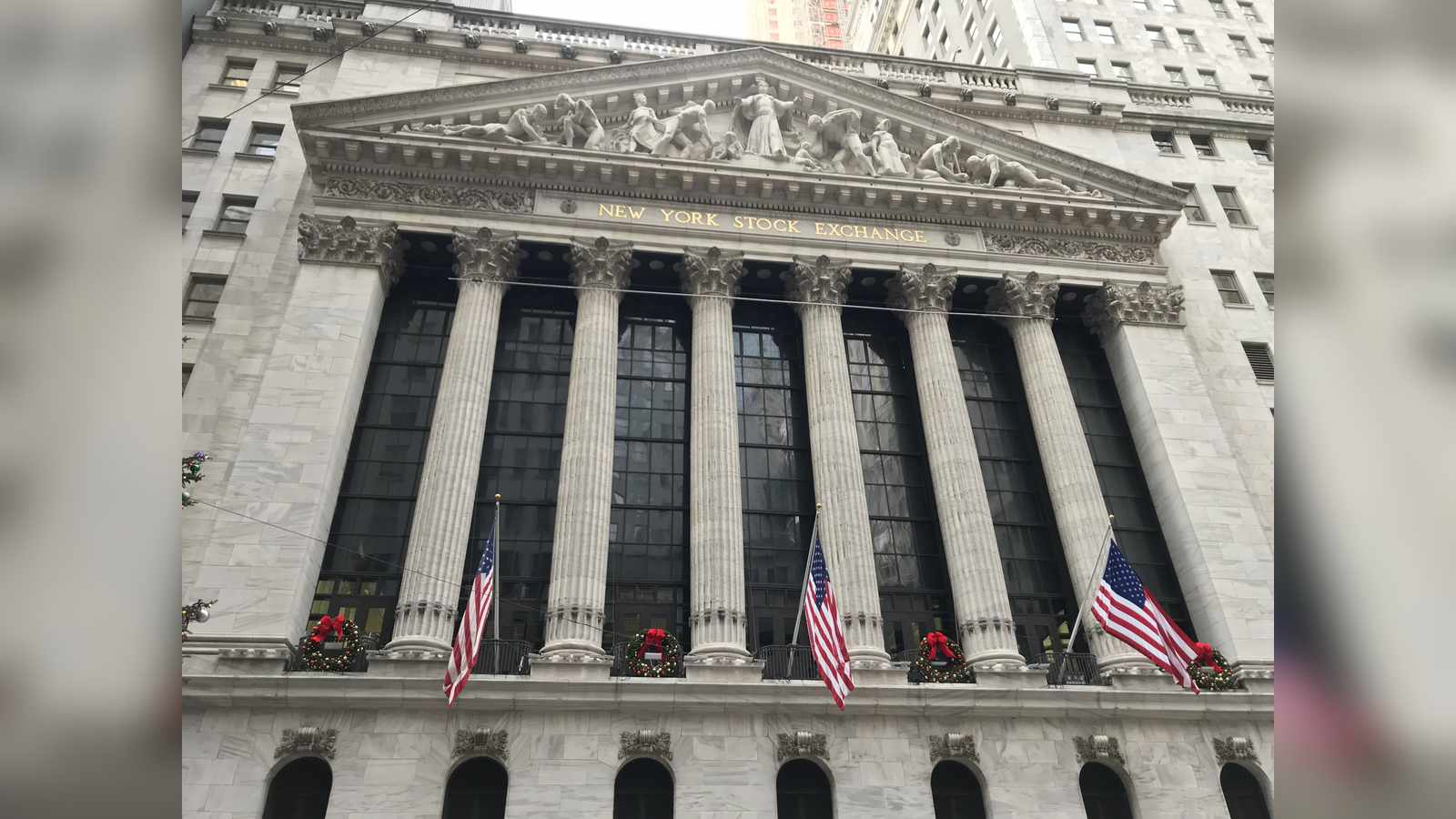
Market Realignment Following Midterm Results
Following a decisive shift in the U.S. political landscape during the midterm elections held on Tuesday, November 3, 2026, global financial markets are undergoing a significant structural rotation. Investors are recalibrating their portfolios after Democrats secured control of both the House of Representatives and the Senate, a development that has sent ripples through various sectors of the economy. According to market data reported by CNBC, the Dow Jones Industrial Average surged more than 1,500 points—a 3% gain—on Wednesday, November 4, marking its strongest single-day performance since April 2025.
The market’s enthusiasm on Wednesday was fueled by a sharp 8% drop in oil prices, which alleviated long-standing inflationary concerns that had previously pressured consumer discretionary sectors. Retail giants like Walmart benefited from this shift, recording gains of over 3% during the regular session. However, the sentiment among tech-heavy indices remains mixed. While the broader market rallied, artificial intelligence-linked stocks faced intense turbulence. Qualcomm, for instance, saw its shares fall 6.5% despite reporting quarterly earnings that exceeded analyst estimates, signaling a growing skepticism regarding the sustainability of the AI infrastructure “gold rush.”
The AI Infrastructure Correction
The current market behavior suggests a departure from the aggressive capital allocation into data center build-outs that dominated the previous fiscal period. Concerns are mounting over potential regulatory backlashes against high-energy-consumption data centers. In Texas, the victory of Democrat Gina Hinojosa in the gubernatorial race—a campaign characterized by calls for stricter oversight of data center development—has served as a bellwether for similar regulatory risks across other jurisdictions.
Jordan Watson, a portfolio manager at Tandem Investment Advisors, noted that Wednesday’s rally should not be interpreted as a definitive signal of long-term economic stability. “We may be headed for more volatility as investors digest the election results and potential policy implications,” Watson told CNBC. He characterized the recent market movements as a necessary “call for some sanity” regarding the efficiency of capital being poured into artificial intelligence projects. Investors are increasingly questioning whether these massive infrastructure investments will ultimately generate the returns required to justify their current valuations.
Global Impact and Upcoming Data
The political shift in Washington has also resonated across international markets. On Thursday, November 5, 2026, European indices showed signs of confidence, with the pan-European Stoxx 600 rising 0.71% and the U.K.’s FTSE 100 hitting a three-month high with a 1% gain. Asian markets, however, displayed a more cautious response. While Japan’s Nikkei 225 edged up 0.49%, South Korea’s Kospi fell 2.33%, reflecting the complexities of regional trade dependencies on U.S. policy directions.
Traders are now shifting their attention to upcoming economic indicators that will further define the post-election trajectory. The focus remains on weekly jobless claims data and the October nonfarm payrolls report due Friday. These reports are expected to provide clarity on the health of the labor market, which remains a critical variable in the Federal Reserve’s future interest rate decisions. Meanwhile, corporate earnings continue to drive short-term volatility, with companies such as Airbnb, Akamai, and ConocoPhillips preparing to release their latest financial results.