


Netanyahu’s Shortened UN Appearance Amid Protests
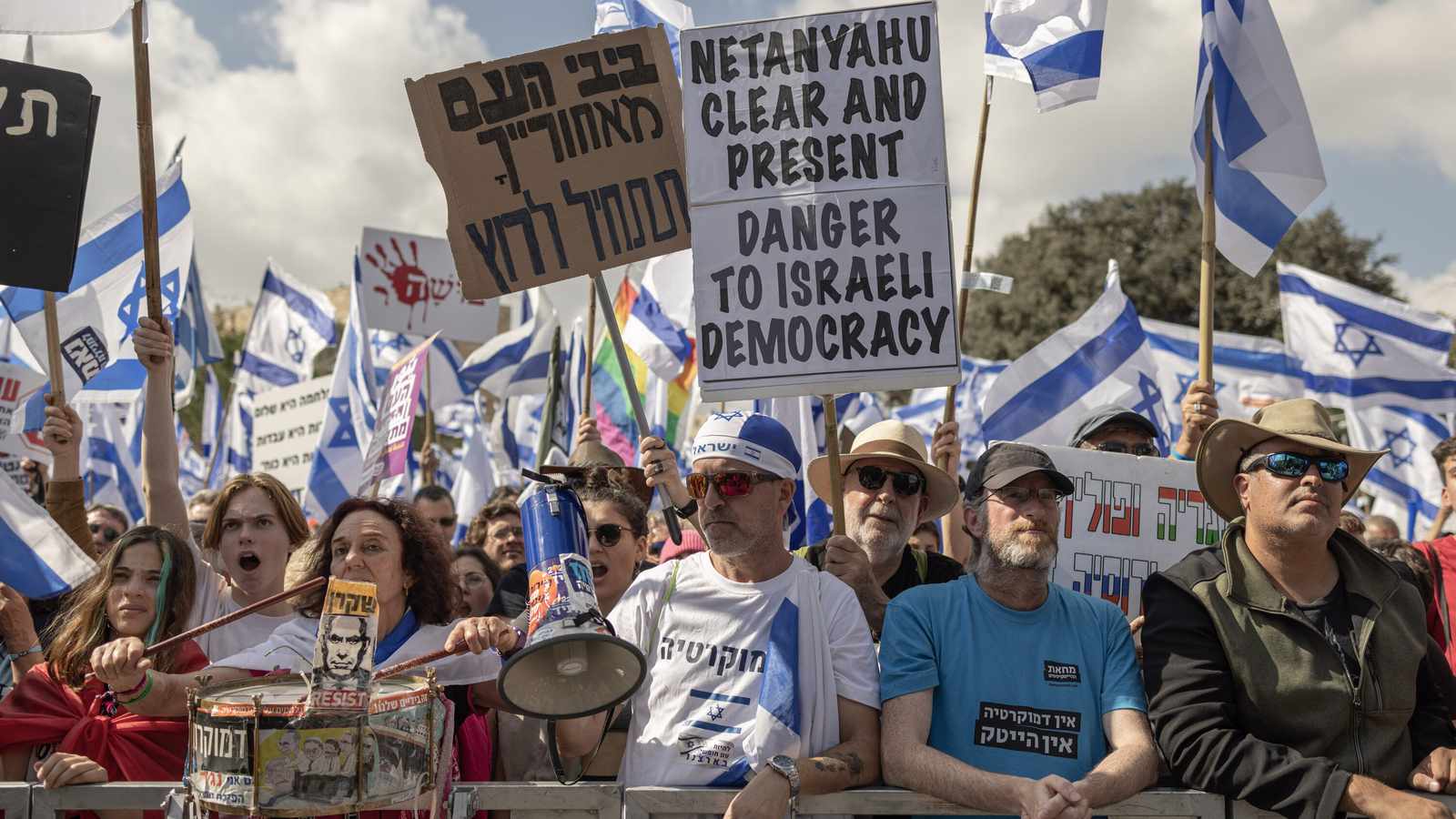
Israeli Prime Minister Benjamin Netanyahu’s visit to the UN General Assembly in New York was sharply curtailed to just six hours, taking place amidst a backdrop of escalating protests and significant diplomatic controversy. The visit on September 23, 2026, saw a coalition of Israeli opponents, left-wing US Jewish organizations, and pro-Palestinian groups take to the streets across Manhattan, demanding accountability for Israel’s actions in Gaza and the occupied West Bank, as reported by The New Arab.
The demonstrations were further fueled by strong criticism from prominent US figures. Democratic US Senator Chris Van Hollen publicly branded Netanyahu a “wanted war criminal” and a “chronic liar.” Van Hollen’s remarks, delivered after Netanyahu released a video attacking New York City Mayor Zohran Mamdani, highlighted an International Criminal Court (ICC) arrest warrant issued in November 2024 for Netanyahu and former Defence Minister Yoav Gallant, alleging responsibility for war crimes and crimes against humanity in Gaza. Netanyahu and Israel have consistently rejected these allegations and challenged the ICC’s jurisdiction.
US-Israel Relations Under Strain
Senator Van Hollen’s scathing rebuke underscored a growing divide within the Democratic party regarding Israel’s conduct. He accused Netanyahu of lying and exploiting his UN platform to respond to Mayor Mamdani’s criticism, who had previously called Netanyahu a “war criminal” and encouraged New Yorkers to protest. Israel’s mission to the UN anticipated “intense” protests during the trip, blaming Mamdani for the hostile reception, according to The New Arab.
Beyond the rhetoric, Van Hollen also raised concerns about accountability for American citizens killed in the occupied West Bank. He criticized Netanyahu’s government for its failure to provide justice in these cases, citing the killing of 19-year-old Palestinian-American Nasrallah Abu Siyam in February by an Israeli settler. Last week, Van Hollen, alongside fellow Democratic senators Tim Kaine and Bernie Sanders, introduced a resolution requiring the State Department to report to Congress on a “pattern of violence” in the West Bank, including the deaths of nine US citizens since 2022. This resolution, if passed, would mandate unclassified statements on investigations into these killings and an assessment of the human rights situation for Palestinians in the occupied territory.
Diplomatic Spat with France at the UN
Netanyahu’s visit was not only met with domestic US opposition but also embroiled in a diplomatic dispute with France. During his address to the UN General Assembly, French President Emmanuel Macron criticized Israel’s actions in the occupied West Bank, stating that “Hamas has never governed the West Bank. Violence there has continued despite last October’s ceasefire, including almost daily Israeli strikes, while humanitarian conditions remain dire.” Netanyahu swiftly condemned Macron’s remarks as “grotesque,” as reported by BBC News.
A French diplomatic source later clarified to The Jerusalem Post that Macron’s statement had been misinterpreted, explaining that the French president intended to convey that Hamas had never *governed* the West Bank. Despite this clarification, the US ambassador to Israel, Mike Huckabee, also denounced Macron’s comments as “out of touch with reality.” The West Bank, home to an estimated 3.3 million Palestinians living alongside Israeli settlers, remains a flashpoint, with settlements considered illegal under international law and ongoing violence, including a recent incident where Shukrun, 36, was shot dead by a Palestinian near a West Bank settlement, according to Israeli police.
Security and International Scrutiny
The heightened security measures surrounding Netanyahu’s brief New York visit underscore the serious concerns about his safety amid the planned protests and the intense international scrutiny. The ICC warrant, while challenged by Israel, imposes travel restrictions on Netanyahu in many countries, a point emphasized by Senator Van Hollen. The convergence of domestic US political pressure, international legal challenges, and diplomatic condemnation from key allies like France signal a period of increasing isolation and scrutiny for the Israeli leadership on the global stage.