


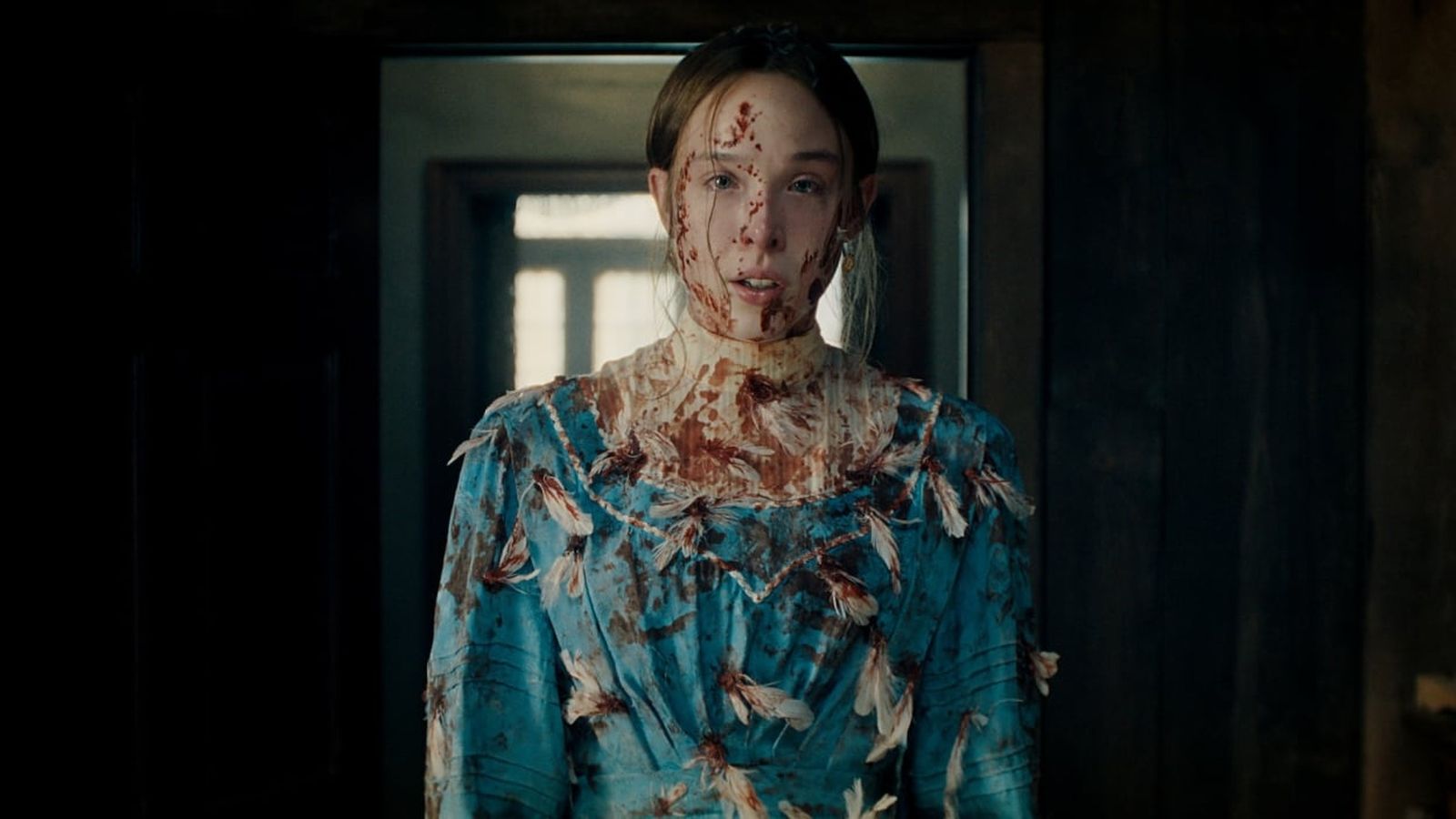
According to a report by Shannon Connellan for Mashable, on August 4, 1892, a double murder inside a Greek Revival home at 92 Second Street in Fall River, Massachusetts, launched a century-long true crime obsession. Andrew Borden and his second wife, Abby, were found bludgeoned to death with an axe or hatchet, and their 32-year-old daughter, Lizzie, was subsequently tried and acquitted in 1893. Ryan Murphy and Ian Brennan’s Netflix series *Monster: The Lizzie Borden Story* revisits the century-old case, examining how the streaming platform adapts historical records alongside dramatic fabrication.
Historical Record Versus Dramatic License
The 1893 Superior Court trial generated over 3,000 pages of testimony, yet the murder weapon was never officially recovered and no one else was ever convicted. The Netflix series takes significant liberties with these historical records. While historians note that the only other person in the house during the murders was the family’s Irish maid, Bridget Sullivan—locally called “Maggie”—the series portrays Bridget as an active participant who shares an intimate romantic relationship with Lizzie, a dynamic unsupported by historical evidence.
The portrayal of family members also diverges sharply from archival accounts. Charlie Hunnam plays Andrew Borden, reimagined in the series as an undertaker and woodworker rather than his actual occupation as a wealthy banker and textile investor. Rebecca Hall portrays Abby Borden as an intensely malicious figure who treats her stepdaughter as inconvenient property. Ella Beatty depicts Lizzie as a socially awkward, sexually oppressed romantic who steals household items—a detail that functions as a persistent modern myth rather than a documented fact of her life.
Portrayal of the Murders and Motives
The series depicts multiple potential motives for the killings, ranging from emotional abuse and parental friction to Andrew leaving Lizzie out of his will—though historians point out that Andrew actually died without a will, leaving Lizzie to inherit a substantial fortune. *Monster* stages the murders twice: once in a silent opening sequence that closely mirrors prevailing historical theories of Lizzie acting alone, and later in episodes 4 and 5 with elaborate, dramatized sequences involving Bridget.
In the later episodes, the show alters the sequence of events by having Abby flee a violent chase through the house before being killed upstairs, and depicts Andrew returning home to discover his wife’s body, an event unsupported by trial records. The series also rearranges timelines regarding secondary figures, such as moving actress Nance O’Neil’s friendship with Lizzie from a post-trial meeting in Boston to a pre-murder encounter in Fall River where she supposedly trains Lizzie in acting.
Expansion of Historical Fabrication and Narrative Devices
The dramatic fabrications extend well beyond the immediate chronology of the murders, incorporating entirely separate historical events and figures into the narrative framework of the streaming series. As detailed by television reviewers, the production includes Bertha Manchester, a real resident of Fall River who was tragically murdered with an axe nine months after the Borden homicides and just one week prior to the selection of Lizzie Borden’s jury. In episode 3 of the Netflix drama, the timeline is deliberately altered to position Lizzie as the perpetrator of Bertha’s murder, staging the crime as an act of retaliation against a homophobic attack directed at Bridget. This storyline serves in the series as a tactical test run for the two women, a framing entirely divorced from the documented historical record.
Additionally, the series engages extensively with the historical rumor regarding Lizzie attempting to purchase poison on the eve of the killings. While pharmacy records and contemporary inquest testimony established that the real Lizzie Borden had attempted to buy prussic acid locally shortly before the murders—a suspicious detail heavily emphasized by the prosecution during the 1893 trial—*Monster* dramatizes this episode as a literal attempt to poison her parents in episode 2. The show depicts Bridget assisting Lizzie in administering the substance within a bowl of bouillabaisse, which the parents subsequently reject or purge, thereby forcing the characters to pivot toward an axe as their weapon of choice. Historians and legal scholars note that no chemical evidence of ingested poison was ever confirmed in the victims’ bodies during the original autopsies, keeping the poisoning theory strictly in the realm of unproven accusation.
The Trial, Verdict, and Cultural Legacy
The final episodes of the nine-part anthology pivot toward the legal aftermath, capturing the intense media circus, public scrutiny, and courtroom dynamics that defined the 1893 Superior Court proceedings. The real trial captivated the American public, drawing reporters from major metropolitan newspapers across the Northeast and turning a quiet Massachusetts industrial city into the epicenter of national morbid curiosity. Although the jury ultimately returned a verdict of not guilty after a relatively brief deliberation, the decision did little to quell public suspicion, cementing Lizzie Borden in American folklore through the enduring nursery rhyme and generations of speculative literature, television specials, and cinematic retellings.
By blending verified judicial testimony with sensationalized narrative choices regarding Bridget Sullivan, John Morse, and fictionalized pre-trial acts of violence, *Monster* reflects the ongoing evolution of true-crime entertainment. Rather than offering a definitive historical document, the series highlights how modern television drama continually reshapes Victorian-era anxieties, class tensions, and gender dynamics to suit contemporary storytelling formats. The complete season remains available for streaming on Netflix, sitting alongside previous biographical dramatizations in Ryan Murphy’s controversial anthology catalog.