


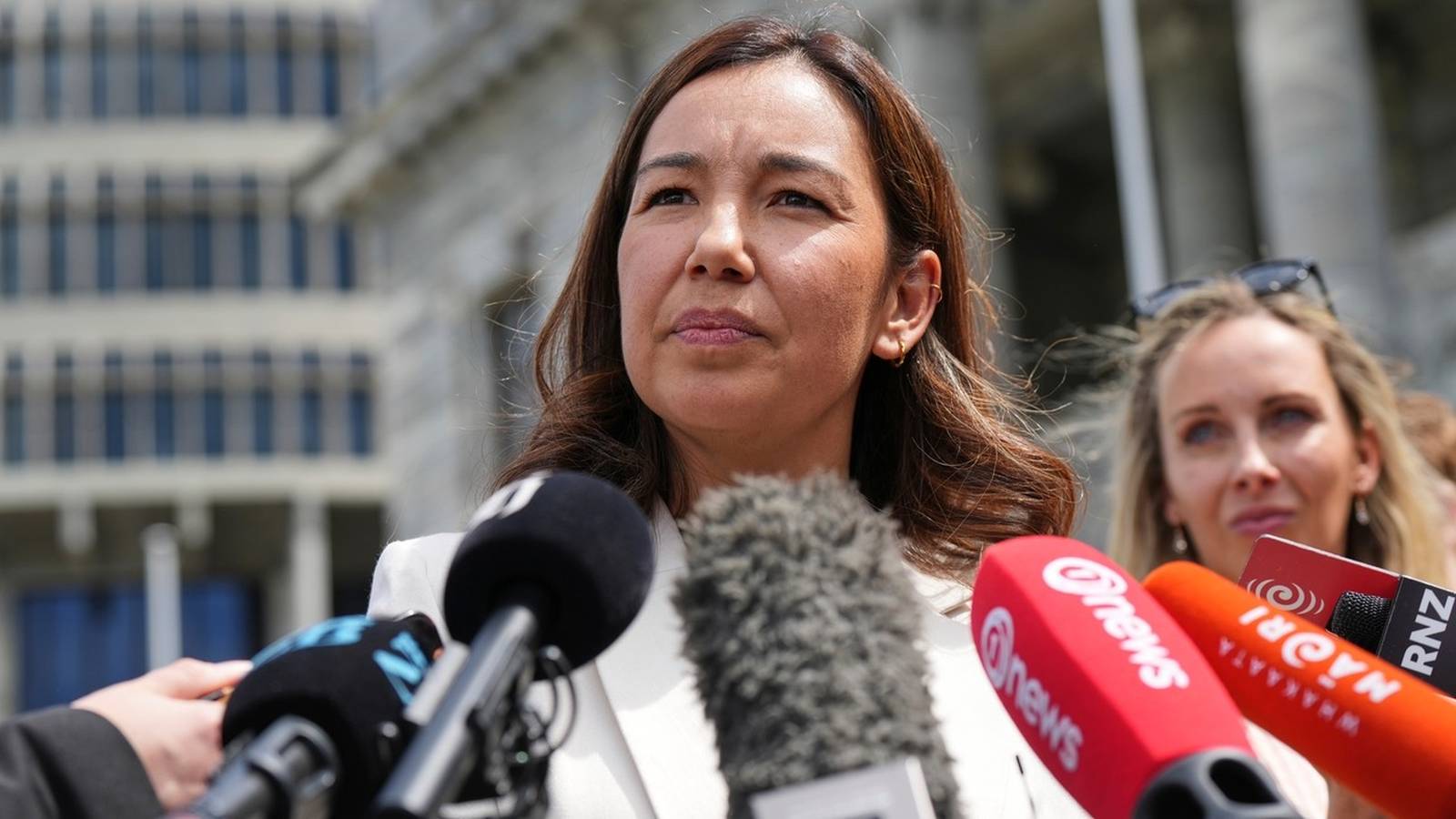
WELLINGTON, New Zealand (Azat TV) – The final vote count in New Zealand’s general election published on Friday, Nov. 27, 2026, stripped the incumbent right-wing bloc of its parliamentary majority, handing the balance of power to centrist newcomer Qiulae Wong and her Opportunity party, according to Newsday.
The Nov. 7 election was among the tightest in years, initially concluding with a razor-thin conservative majority. However, after processing 400,000 special votes, including ballots cast by citizens living abroad, the Electoral Commission announced that Prime Minister Christopher Luxon’s National party had lost two seats, reducing its total to 40 in the 130-seat unicameral parliament.
Parliamentary Shift and Major Party Losses
The revised figures published by Arab News show that the broader right-wing coalition now holds 65 seats, falling one vote short of the 66 required to command a legislative majority. Meanwhile, the left-wing opposition bloc, led by Labour party leader Chris Hipkins, secured 58 seats, an increase of one from election night.
Both major political forces absorbed significant voter backlash, each capturing less than 30 percent of the preferred party vote. Analysts noted the outcome reflected widespread public dissatisfaction over high living costs and a lack of enthusiasm for the established leadership. National finished with 28.35 percent of the party vote, while Labour registered 29.88 percent.
The central government holds ultimate sway over the country’s direction, as New Zealand has only one house of parliament and no states. Voters cast two ballots in these elections: one for their preferred political party and another for their local representative. The resulting parliament reflects substantial support for minor groups on the ideological flanks, including the left-leaning Greens with 17 seats and Te Pati Māori, an Indigenous rights group, with five seats.
The Rise of Qiulae Wong as Kingmaker
The election deadlock thrusts 38-year-old business consultant Qiulae Wong and her unaligned Opportunity party into a pivotal kingmaker position. The centrist newcomer group secured seven seats, making its endorsement necessary for any viable path to power. This milestone represents a staggering ascension for a party that made three failed attempts at Parliament before Wong became leader less than a year ago, with none of its incoming members having prior legislative experience.
Prime Minister Luxon stated Friday that he remains confident in his ability to form a government, reversing his pre-election vow ruling out cooperation with Wong’s party. To secure a second term, Luxon must now negotiate with three divergent minor parties: ACT, which won 13 seats, NZ First, which secured 12 seats, and the Opportunity party. Left-wing leader Hipkins conceded Friday that Opportunity’s support would not be sufficient to install a center-left administration.
Wong’s pledges of evidence-based centrism and an end to partisan bickering clearly resonated with an electorate seeking alternatives to the major parties. Analysts pointed out that voter malaise was compounded by leadership fatigue surrounding Luxon, who survived two internal confidence votes among his lawmakers during the year, and Hipkins, who led Labour to defeat in the 2023 election.
Policy Hurdles and Tough Negotiations
Forming a governing coalition will present substantial policy hurdles. Opportunity’s platform includes stringent climate change regulations and a ban on bottom-trawling fisheries, stances that directly conflict with the positions held by the libertarian ACT party and the populist NZ First party.
Furthermore, Wong reiterated that her party would refuse to enter any administration featuring NZ First leader Winston Peters as Foreign Minister, citing past controversial remarks made in parliament regarding Asian people that she argued made him unfit to represent the nation abroad. Wong indicated her caucus would consider either a formal coalition agreement or a confidence-and-supply arrangement, providing case-by-case backing for key government legislation.
Prime Minister Luxon warned the public that coalition talks could extend over a prolonged period, emphasizing that getting the arrangement right matters far more than concluding it quickly. If the parties fail to bridge their policy gaps and establish a functioning government, New Zealand could face a fresh parliamentary election to break the stalemate.