


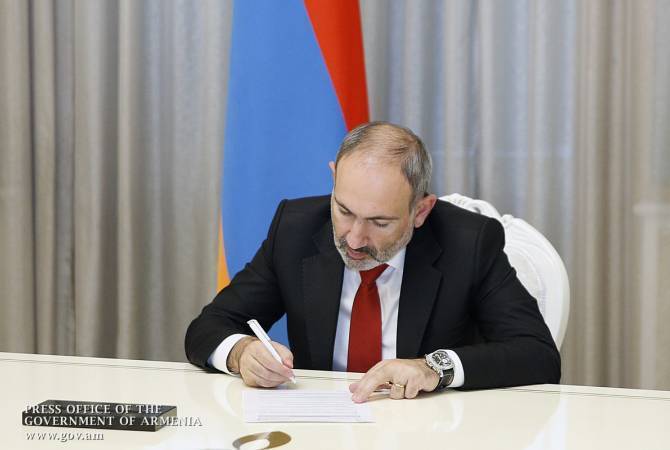
Prime Minister Nikol Pashinyan’s approach to staffing changes reveals a leadership style mired in contradictions and strategic ambiguity. The ongoing reshuffling of officials, described by Pashinyan as essential for systemic reform, instead highlights a complex interplay of public dissatisfaction, individual accountability, and situational convenience.
Pashinyan often frames these staffing decisions as part of his broader vision for systemic transformation. However, his narrative fluctuates depending on the audience. When addressing the public, he points to widespread dissatisfaction as the driving force behind these changes, placing the blame on officials for inefficiencies. Conversely, in conversations with his team, he praises these same officials for their achievements while asserting the need for new leadership to maintain momentum.
This duality exposes an inherent contradiction: How can officials simultaneously be responsible for systemic improvements yet held accountable for stagnation? The notion that they have become “part of the system” serves as a vague justification for their dismissal, raising questions about the coherence and fairness of Pashinyan’s decision-making process.
Pashinyan’s emphasis on unilateral decision-making further complicates this dynamic. While he argues that strong leadership necessitates taking sole responsibility for certain decisions, this approach undermines the transparency and collaborative spirit essential to good governance. The frequent oscillation between team-based discussions and unilateral action not only disrupts internal cohesion but also fosters public skepticism about his motives and methods.
Moreover, Pashinyan’s explanations often lack measurable benchmarks or tangible evidence of systemic change. His declarations about officials’ successes are overshadowed by the lack of clarity about why their leadership is no longer viable. This discrepancy suggests a reliance on rhetorical flexibility rather than a clear, strategic vision for reform.
Finally, Pashinyan’s ability to shift responsibility between the system, the dismissed officials, and public demands highlights a broader issue: his reluctance to fully own the consequences of his leadership. Success is presented as his achievement, while failures are attributed to the broader system or the shortcomings of his appointees. This selective accountability undermines trust in his leadership and raises concerns about the consistency of his governance.
In conclusion, Nikol Pashinyan’s staffing policy reflects a pattern of form over substance. The lack of clear, consistent rationale for changes, coupled with his tendency to adapt his narrative to different audiences, erodes both public trust and institutional integrity. Far from driving systemic reform, these actions reveal a leadership approach that prioritizes short-term optics over long-term stability. Such a model not only undermines the effectiveness of governance but also raises serious questions about the direction and credibility of Pashinyan’s administration.