


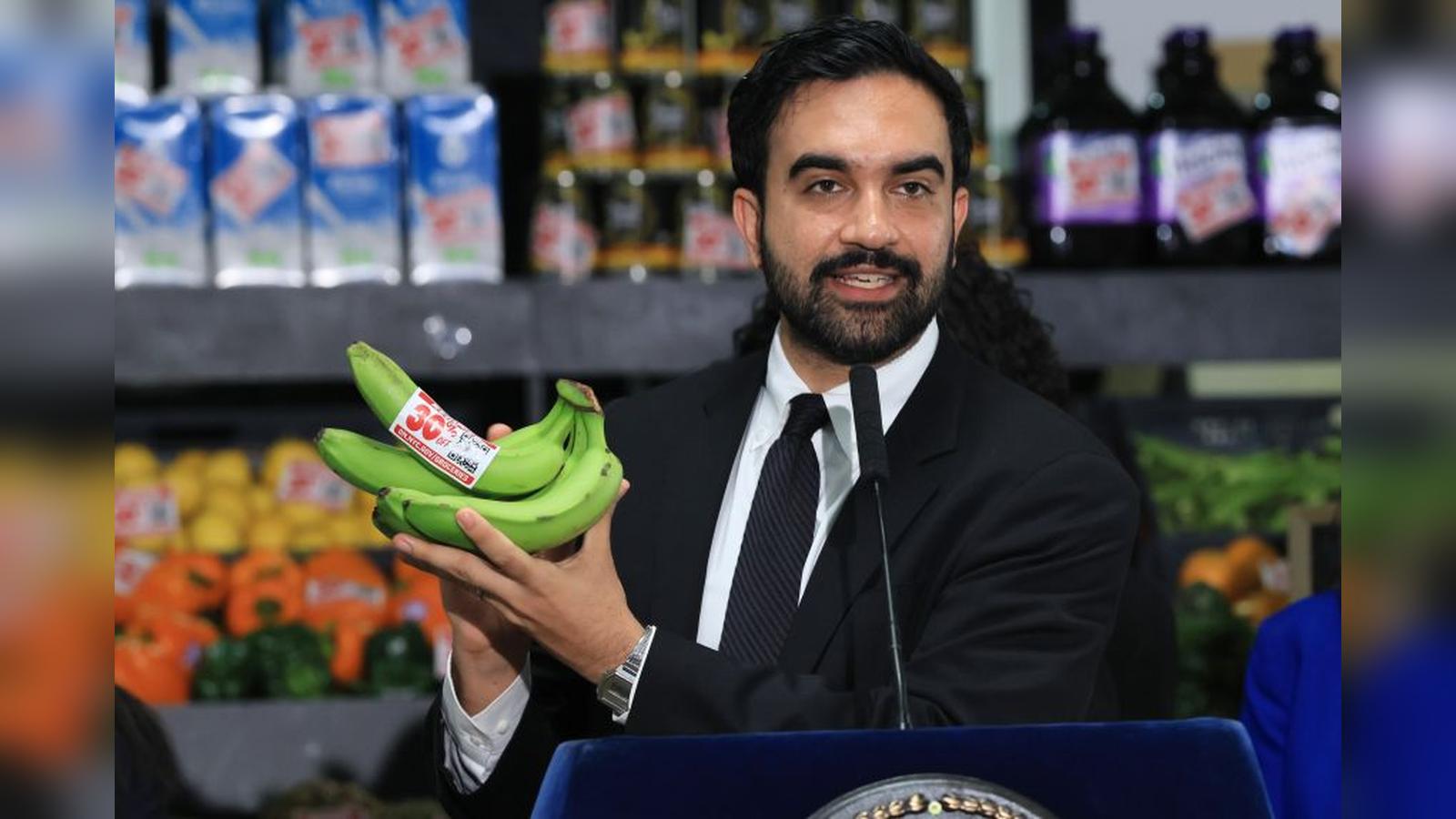
A nonprofit association representing hundreds of small supermarkets, bodegas, and independent grocery store owners across New York City has filed a lawsuit against Mayor Zohran Mamdani and the municipal administration. The legal action seeks to halt the city’s plan to establish five government-funded, subsidized grocery stores, escalating a broader political and legal clash over municipal intervention in local retail markets and urban affordability policies.
The lawsuit, filed in New York state court on August 24, 2026, marks the third major legal challenge brought against signature policy initiatives introduced during Mayor Mamdani’s first six months in office. The plaintiffs argue that publicly funded grocery outlets selling essential staples at steep discounts create an unfair government-backed competitor that threatens the commercial viability of immigrant- and minority-owned small businesses that have anchored neighborhood food access for decades.
Lawsuit Targets NYC’s Public Grocery Network
The municipal grocery initiative, unveiled by City Hall in late July 2026, aims to establish five city-owned markets across high-cost food areas. Under the city’s blueprint, the initial location is scheduled to open in 2027 in the Hunts Point neighborhood of the Bronx, with four additional stores planned to operationalize by 2030. The facilities are managed via the New York City Economic Development Corporation (EDC), which leases municipal real estate to vendors at below-market rates and absorbs operational overhead to reduce retail prices.
According to figures released by the mayor’s office, the city-run stores intend to price staple items at a 30% discount compared to prevailing market rates. City officials estimate this direct subsidy framework could reduce an average New York family’s monthly grocery expenditure by roughly 15%, or approximately $90 per month. The program targets systemic food insecurity, which impacts over 30% of residents in specific high-need neighborhoods, though the stores will remain open to all New Yorkers regardless of income level.
In court filings, attorneys representing the independent grocers’ coalition contend that government-backed market intervention introduces structural distortions similar to allowing mega-retailers like Walmart to operate within five-borough commercial corridors—a practice long resisted by municipal land-use policies. The coalition contends that small, family-operated markets operating on thin retail margins cannot match municipal overhead absorption, risking wide-scale commercial distress and store closures among independent merchants.
A Pattern of Legal Challenges to Affordability Policies
The legal challenge to the municipal grocery network is the third major lawsuit targeting Mayor Mamdani’s progressive policy agenda within his first half-year in office. The administration is currently litigating multiple constitutional and statutory challenges aimed at core components of its affordability mandate:
- Pied-à-Terre Tax Litigation: A coalition of high-value property owners filed suit earlier in August 2026 seeking to block the implementation of a newly enacted surcharge on expensive secondary residences. A Richmond County (Staten Island) judge issued a temporary restraining order halting enforcement pending full judicial review.
- Residential Rent Freeze Challenge: Real estate property owners and landlord groups have mounted a legal action challenging the administration’s rent freeze, which restricts rent increases on one-year and two-year lease renewals across approximately one million rent-stabilized apartments in New York City.
- Municipal Retail Competition: The grocers’ suit expands legal disputes from real estate tax policy and residential housing regulation directly into municipal market operations and commercial retail governance.
The New York City Law Department referred inquiries regarding the grocers’ complaint to the Mayor’s Office, which has maintained that city-backed food distribution is a legitimate public exercise to guarantee food access amidst elevated living costs.
Municipal Grocery Models and National Context
While municipal ownership in food retail remains uncommon in major U.S. metropolitan centers, the New York initiative reflects a broader national trend of municipal experimentation with public-private retail infrastructure. Federal models have existed for decades through the Department of Defense’s commissary system, which provides subsidized groceries to military personnel and families.
In recent years, similar concepts have emerged across local jurisdictions. Atlanta, Georgia, launched a municipal public-private partnership to construct a downtown grocery store alongside a secondary location targeting food deserts. Municipalities such as St. Paul, Kansas, as well as local governments in Madison, Wisconsin, and Venice, Illinois, have pursued city-funded or publicly managed food distribution models to resolve retail access gaps resulting from commercial market exits.
corporate Real Estate and Wall Street Divided Over Administration
The legal friction around grocery policy unfolds against a complex economic backdrop six months into Mayor Mamdani’s tenure. Macroeconomic data for New York City reveals sustained private capital activity alongside persistent political friction between City Hall and executive leadership.
During the second quarter of 2026, New York-based companies secured $10.8 billion in venture capital funding—marking the highest quarterly total since 2021 and bringing year-to-date venture investment above $21 billion, a 102% increase compared to the corresponding period in 2025. Concurrently, Manhattan office leasing activity is pacing toward its strongest annual performance since 2000, and preliminary municipal employment reports show the city added more than 21,700 jobs over six months, doubling the national growth rate.
Corporate executive responses remain starkly divided:
- Pragmatic Engagement Coalition: Business leaders including Scott Rechler (CEO of RXR), Robert Wolf (former CEO of UBS Americas), and Edward Skyler (Citi executive and former Deputy Mayor) have advocated active policy engagement with City Hall. Rechler noted that working directly with municipal leadership is necessary to shape regulatory outcomes, while City Hall has appointed McKinsey veteran Anthony Shorris to lead the EDC and retained Jessica Tisch as Police Commissioner.
- Outspoken Critics and Outflows: Conversely, vocal opponents such as Steven Roth, CEO of Vornado Realty Trust, have harshly criticized the mayor’s tax proposals and rhetoric regarding high-net-worth residents. Furthermore, out-of-state entities, including the Florida Chamber of Commerce, have launched promotional campaigns—including Times Square billboard displays—courting New York firms to relocate to low-tax jurisdictions.
Mayor Mamdani has moved to establish a formal 15-member business advisory council, engaging executives such as Jose Tavarez of Bank of America, Hamdi Ulukaya of Chobani, Jamie Dimon of JPMorgan Chase, and David Solomon of Goldman Sachs. However, the expanding array of courtroom challenges highlights a persistent legal barrier to implementing public-sector economic interventions in New York City.