


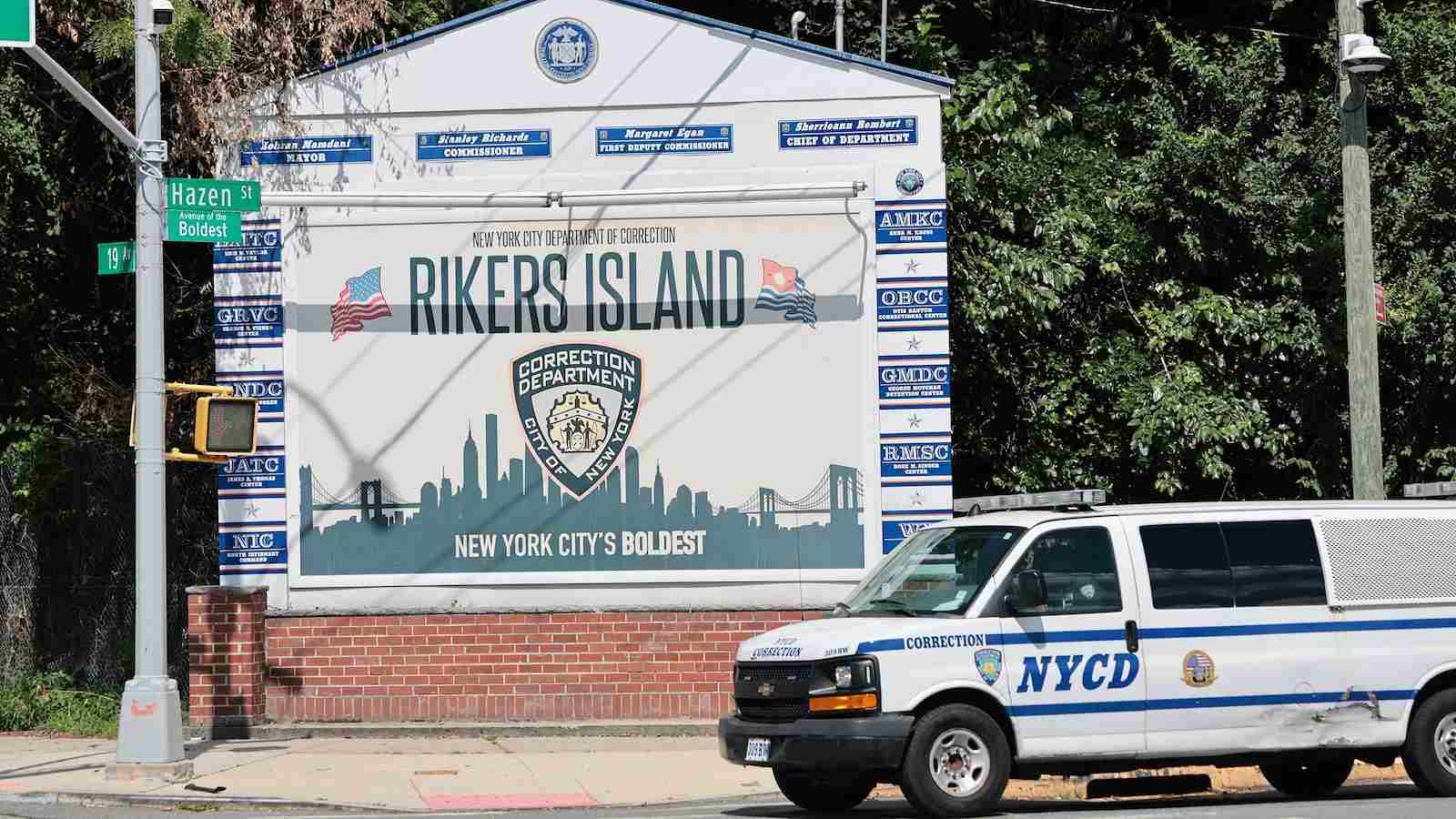
A New Timeline for Rikers
New York City Mayor Zohran Mamdani officially proposed a five-year extension to the legislated deadline for closing the Rikers Island jail complex, seeking to shift the target date from August 31, 2027, to the end of 2032. The announcement, detailed in the city’s new “Close Rikers: Strategic Plan,” acknowledges that the original timeline established in 2019 is no longer feasible due to systemic construction delays and the ongoing requirement to reduce the city’s jail population significantly before a full transition can occur.
The proposal marks a pivot in the city’s approach to its carceral infrastructure. By extending the mandate, the administration aims to synchronize the physical completion of four new borough-based facilities with the necessary reduction in detainees. As reported in an article published by ABC News, Mayor Mamdani emphasized that while the deadline is shifting, the commitment to shuttering the facility remains a “legal and moral obligation.”
The Strategic Path to 2032
The transition strategy relies on a dual-track approach: infrastructure development and population management. The city plans to open four borough-based jails by 2032, with the Brooklyn facility slated as the first to open in 2029. Officials argue that moving incarcerated individuals closer to courts, families, and legal counsel will improve both administrative efficiency and the quality of life for those in custody. These facilities are designed to feature individual cells and dedicated spaces for education and vocational training, moving away from the congregate housing models currently used on Rikers Island.
A critical component of this plan is the goal to reduce the city’s jail population from approximately 6,600 to 4,100 people. This reduction is contingent upon several procedural changes, including speeding up criminal case processing, reducing the duration of pretrial detention, and expanding alternatives to incarceration. To facilitate this, the administration is launching an interagency task force aimed specifically at clearing court backlogs that historically keep individuals in jail for extended periods.
Funding and Service Integration
To support this transition, the administration is proposing a $146 million investment for the upcoming fiscal year. According to reporting by 6sqft, these funds are earmarked for mental health care, substance use treatment, and reentry services designed to prevent recidivism. A significant portion of this investment will expand therapeutic housing options within NYC Health + Hospitals facilities, allowing individuals with complex medical or psychiatric needs to receive care in clinical settings rather than traditional jail housing.
The plan also addresses the operational needs of the Department of Correction. By providing additional training and support for staff, the administration intends to improve safety and working conditions. These improvements are presented as essential to maintaining order during the multi-year transition period, ensuring that the facility remains manageable while the population is gradually decentralized.
Legislative and Political Challenges
The extension requires formal approval from the New York City Council. City Council Speaker Julie Menin signaled support for the adjustment, noting that delays encountered under previous administrations have rendered the original 2027 deadline impractical. The political challenge lies in balancing the urgent demand for reform—which has been building since at least 2015—with the logistical realities of building modern, borough-based infrastructure in a dense urban environment.
Ultimately, the success of the 2032 plan rests on the city’s ability to maintain public safety while simultaneously lowering the jail population. If the Council approves the extension, it will codify a new, more extended window for one of the most ambitious criminal justice projects in the city’s history, effectively resetting the clock on a commitment that has faced years of operational and political hurdles.