


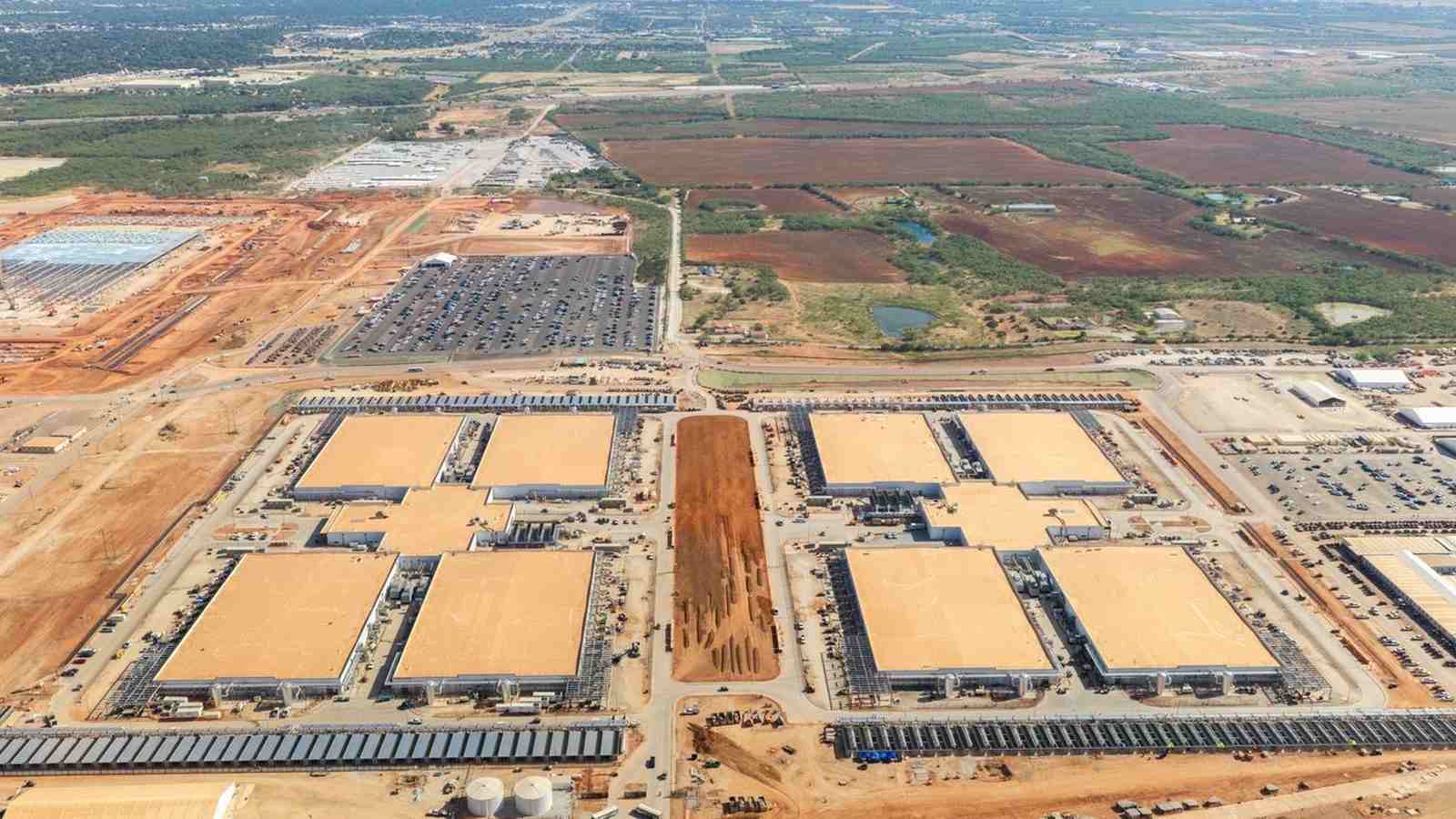
Proposal for Domestic AI Sovereignty
On November 20, 2026, President Donald Trump announced a policy proposal aimed at imposing a “tremendous tax” on U.S. technology companies that choose to construct artificial intelligence data centers in foreign countries. Speaking during a White House press briefing, the President characterized the offshoring of digital infrastructure as a strategic vulnerability, drawing parallels to the historical loss of semiconductor manufacturing capacity. Nebraska TV reported that the President did not specify the exact mechanisms, rates, or legislative pathways for this tax, noting that the proposal had not yet been vetted by his staff.
The announcement follows a broader administration push to prioritize domestic AI sovereignty and energy independence. This initiative occurs as the United States navigates a complex period of local resistance to large-scale data center projects, with voters rejecting such proposals in 40 of 41 local ballot measures earlier this month. The administration’s focus on keeping infrastructure within U.S. borders is framed as a necessary step to prevent the erosion of national competitiveness in the AI sector, which currently requires massive energy and computing resources.
Legislative Context and Infrastructure Needs
The President’s proposal coincides with significant legislative developments in the U.S. Senate, which on Thursday approved bipartisan legislation intended to accelerate the permitting process for power plants and transmission lines. This legislative effort is designed to address the surging energy requirements of AI data centers. The bill, which now moves to the House, requires data center operators to bear the costs of the energy they consume and the necessary upgrades to the broader transmission network. Trump expressed support for this bill, stating that it will stimulate substantial new construction within the country.
Furthermore, the administration is concurrently tightening control over the underlying technology supporting these data centers. On Monday, new rules were implemented to restrict remote access to advanced U.S. computing chips and servers. These measures are intended to limit the capacity of foreign entities to utilize American technology for the development of advanced AI models. The combination of these regulatory restrictions and the proposed tax on overseas infrastructure represents a multi-pronged approach to maintaining technological hegemony.
Economic and Strategic Implications
The proposed tax comes amidst a period of intense global competition and deal-making. During a recent trip to Asia, President Trump announced more than $17 billion in new deals, highlighting the administration’s active role in shaping global economic relationships. However, the internal focus remains on domestic capacity. The administration argues that relying on foreign data centers compromises the reliability and security of the nation’s AI development pipeline. By creating a financial barrier to offshoring, the administration seeks to force technology firms to invest in domestic power and data infrastructure.
Industry analysts and stakeholders are now assessing the potential impact of these dual strategies—regulatory restriction on chips and financial penalties for offshore construction. The push for energy permitting reform suggests that the administration recognizes the bottleneck in domestic energy supply. By making it easier to build power plants while simultaneously penalizing the movement of data centers abroad, the government is attempting to create a closed loop of AI development. The effectiveness of this policy will depend heavily on the ability of the U.S. energy sector to scale rapidly enough to meet the demands of the AI industry, which currently faces significant local opposition and infrastructure constraints.
As the legislative session continues, the focus will likely shift to how these proposed taxes would be implemented and whether they can legally withstand potential corporate challenges. The administration’s rhetoric emphasizes that the era of unfettered offshoring of critical technology is ending, placing the onus on tech firms to align their global infrastructure strategies with the administration’s vision for national security and energy autonomy.