


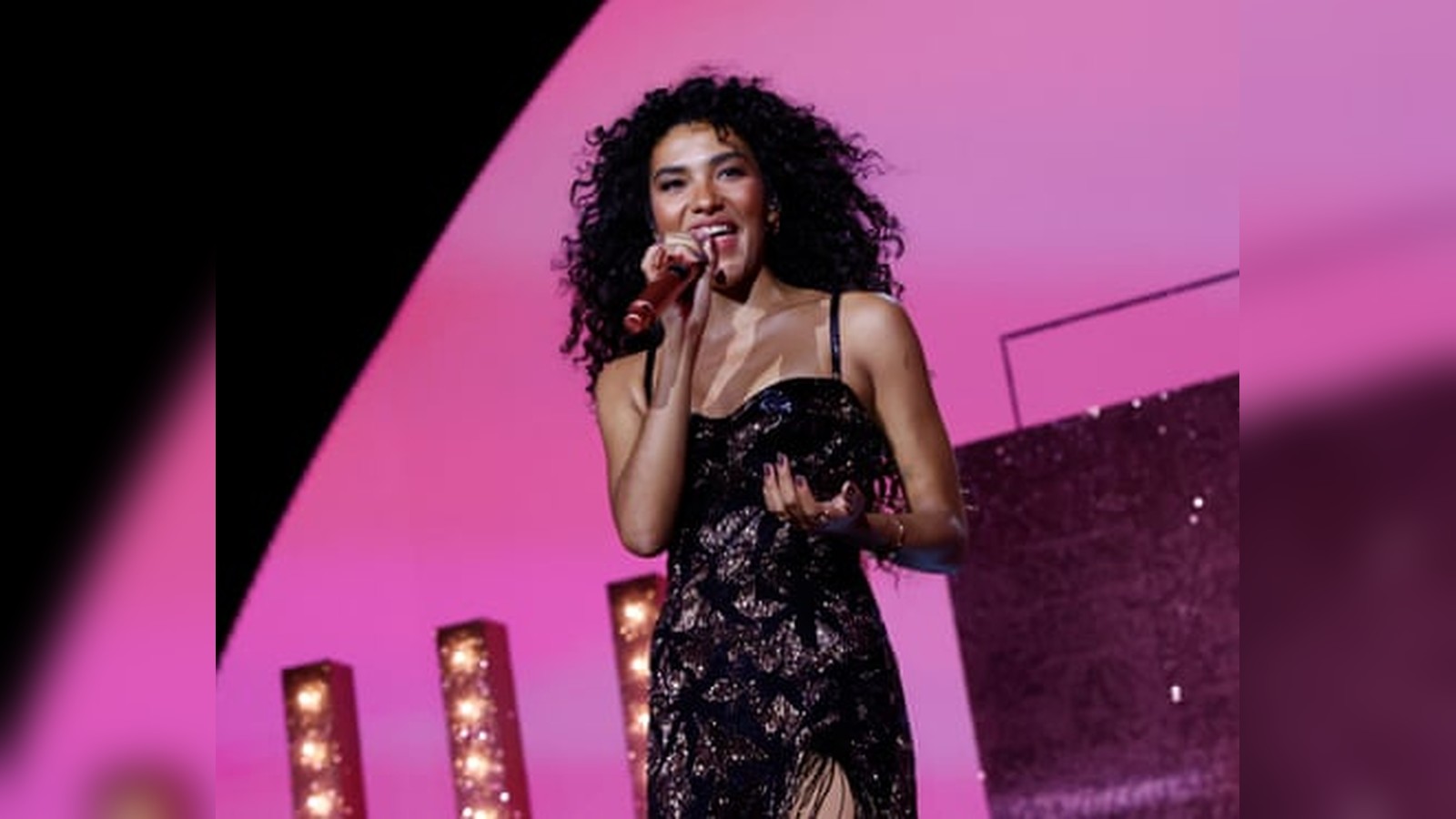
Mattie Music Group, the publisher administering the estate of the late soul icon Bill Withers, has filed a copyright infringement lawsuit in a U.S. federal court in Los Angeles. According to court documents reported by Billboard, the complaint targets several prominent music industry entities, including Universal Music Group’s Capitol Records, Sony Music Publishing, and Kobalt Music Publishing America. The legal action centers on “I’ve Seen It,” the closing track of British singer-songwriter Olivia Dean’s breakthrough 2025 studio album, The Art of Loving.
Copyright Lawsuit Filed in Los Angeles Over 1981 Classic
The plaintiff alleges that Dean’s track misappropriates core components of “Just the Two of Us,” the celebrated 1980 collaboration between Withers and jazz saxophonist Grover Washington Jr. The original track reached No. 2 on the Billboard Hot 100, secured the 1981 Grammy Award for Best R&B Song, and recently experienced a commercial resurgence as a viral sound on the TikTok social media platform. In its filing, Mattie Music Group states that its representatives listened to the newer track multiple times in early August 2026 and concluded that it copied large portions of the original work, specifically noting what it describes as a distinctively protectable melody.
Musicological Analysis and Pre-Suit Notice
To substantiate its claims, the plaintiff retained musicologist Alexander Stewart to conduct a formal comparative analysis between the two compositions. According to the lawsuit outlined by The Guardian, Stewart determined that the works contain substantial similarities in protectable musical expression. The filing notes that the number, character, and arrangement of the shared musical features are striking enough to support an inference that the similarities did not result from coincidence, independent creation, or reliance on common musical elements.
Despite the copyright claims, the lawsuit does not name Olivia Dean herself as a defendant, nor does it list her co-writers on the track, Bastian Langebæk and Max Wolfgang. However, the legal complaint asserts that the creators possessed a reasonable opportunity to encounter the original work prior to composing “I’ve Seen It.” Furthermore, the plaintiff claims that formal written notices detailing the alleged musical similarities and registrations were dispatched to each defendant on August 17, 2026. According to PrimeTimer, the defendants continued to reproduce, distribute, license, and commercially exploit the recording despite the prior warnings.
Stakes, Demands, and Industry Context
The lawsuit seeks financial damages to be determined at trial, alongside a permanent injunction to restrain the defendants from further acts of copyright infringement involving the composition. Representatives for Capitol Records, Sony Music Publishing, and Olivia Dean did not immediately respond to requests for comment following the filing, while a representative for Kobalt declined to comment on the ongoing litigation, as detailed by People.
The legal challenge arrives during a period of significant career momentum for Dean, who secured the Grammy Award for Best New Artist in February 2026 and accumulated multiple accolades for The Art of Loving. The case also adds to a growing catalog of high-profile copyright disputes in the modern music industry, where publishers increasingly scrutinize contemporary releases for melodic similarities to established back-catalogue hits. Legal experts note that while identifying structural parallels often requires detailed expert testimony like Stewart’s analysis, securing a favorable outcome for plaintiffs depends on proving both substantial similarity and the defendants’ access to the prior work.