


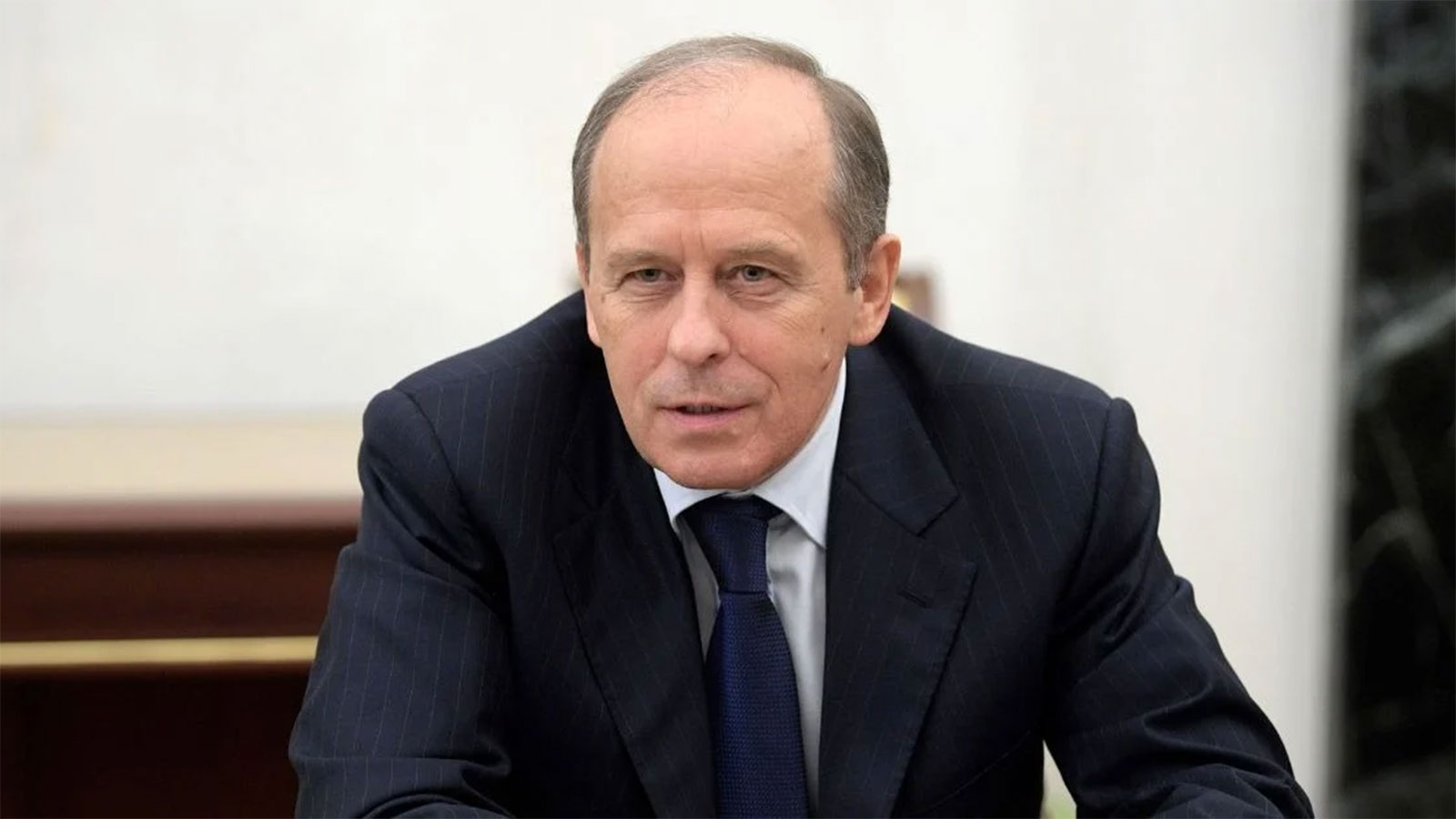
CIA Director John Ratcliffe met face-to-face in Moscow with Alexander Bortnikov, the head of Russia’s Federal Security Service (FSB), to share U.S. intelligence assessments regarding Russian casualty rates and battlefield stagnation in Ukraine, according to reporting by The New York Times citing current and former U.S. officials.
American intelligence agencies assess that Russian President Vladimir Putin may not be receiving accurate reports from his inner circle about the true scope of military casualties and economic pressure stemming from the invasion. During the unannounced meeting, Ratcliffe urged Bortnikov to encourage a negotiated settlement before battlefield conditions degrade further for Russian forces. Officials noted that Ratcliffe did not issue explicit threats or ultimatums regarding prospective U.S. actions should Moscow reject the assessment.
This report draws on information published by ukrinform.net.
Prior to travelling to Moscow, Ratcliffe consulted with Ukrainian intelligence counterparts to outline the mission’s scope, clarifying that his intent was to gauge Russia’s strategic posture rather than negotiate territorial or political concessions on Kyiv’s behalf. While Ratcliffe and Bortnikov had previously communicated regarding prisoner swaps, this visit represented their first direct in-person meeting. Parallel communication channels between Washington and Moscow continue through presidential envoy Steve Witkoff and Jared Kushner.
In addition to discussions on Ukraine, Politico reported that Ratcliffe’s visit served to warn Russian officials against potential security provocations targeting NATO allies in Eastern Europe, specifically Latvia, Lithuania, and Estonia. U.S. officials expressed hope that Ratcliffe’s background in intelligence might render his assessment more direct and credible to Kremlin leadership than traditional diplomatic exchanges.