


A Rare Celestial Alignment
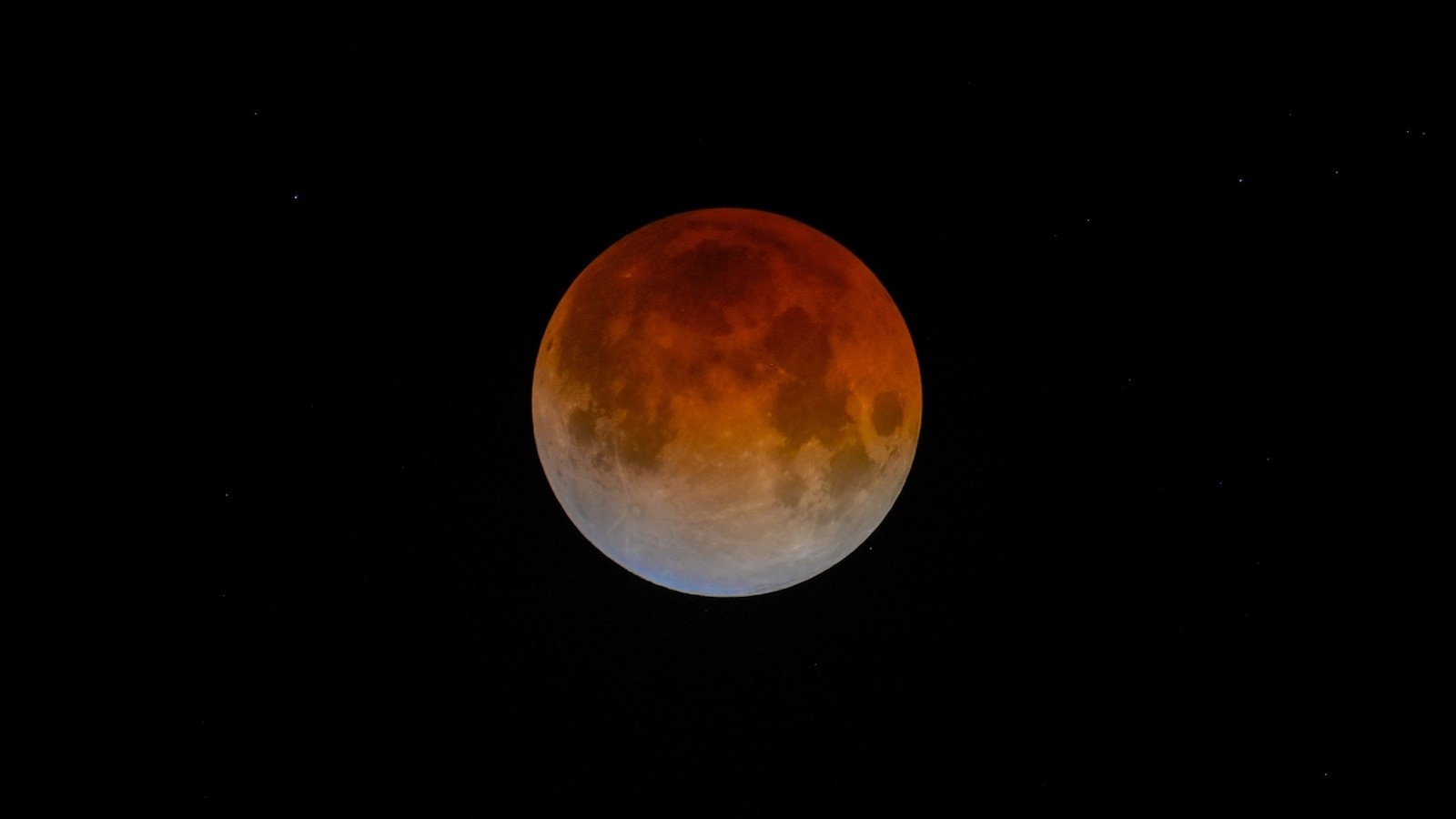
Astronomers and skywatchers across the Western Hemisphere are preparing for a significant astronomical event as a deep partial lunar eclipse is set to occur on the night of August 27 into August 28, 2026. According to reports, approximately 96% of the lunar surface will be obscured by Earth’s shadow, creating a rare near-total visual experience.
Unlike solar eclipses, which require specialized protective eyewear, this lunar event is entirely safe to observe with the naked eye. Observers in North and South America are positioned in the prime viewing zone, where the entire duration of the eclipse will be visible, weather permitting.
Timeline and Visibility
The event is expected to unfold over several hours. According to data provided by recent astronomical bulletins, the partial phase begins around 10:33 p.m. EDT on Thursday, August 27. The moment of greatest obscuration—where nearly the entire moon is enveloped in the Earth’s shadow—will occur at approximately 12:12 a.m. EDT on Friday, August 28. The entire process will conclude by 3:03 a.m. EDT.
While the Americas will see the event in its entirety, viewers in Europe, Africa, and the Middle East will experience a truncated show as the moon sets while the eclipse is still in progress. Conversely, observers in Hawaii and parts of the northwestern U.S. and Canada will see the moon rising as the eclipse begins.
The Science of the ‘Crimson’ Moon
As Earth passes directly between the sun and the moon, it casts a shadow that filters sunlight through the planet’s atmosphere. This process typically imparts a subtle reddish or coppery hue to the lunar surface. Because this is a 96% partial eclipse, the moon will not turn into a full “blood moon,” but will instead display a thin crescent of direct sunlight alongside the darkened, tinted portion of the lunar disk.
This event follows a total solar eclipse that recently swept across parts of Greenland, Iceland, and Spain earlier in August. The proximity of these two events highlights the mechanics of celestial orbits, where solar and lunar eclipses often occur in tandem due to the precise alignment of the sun, moon, and Earth.