


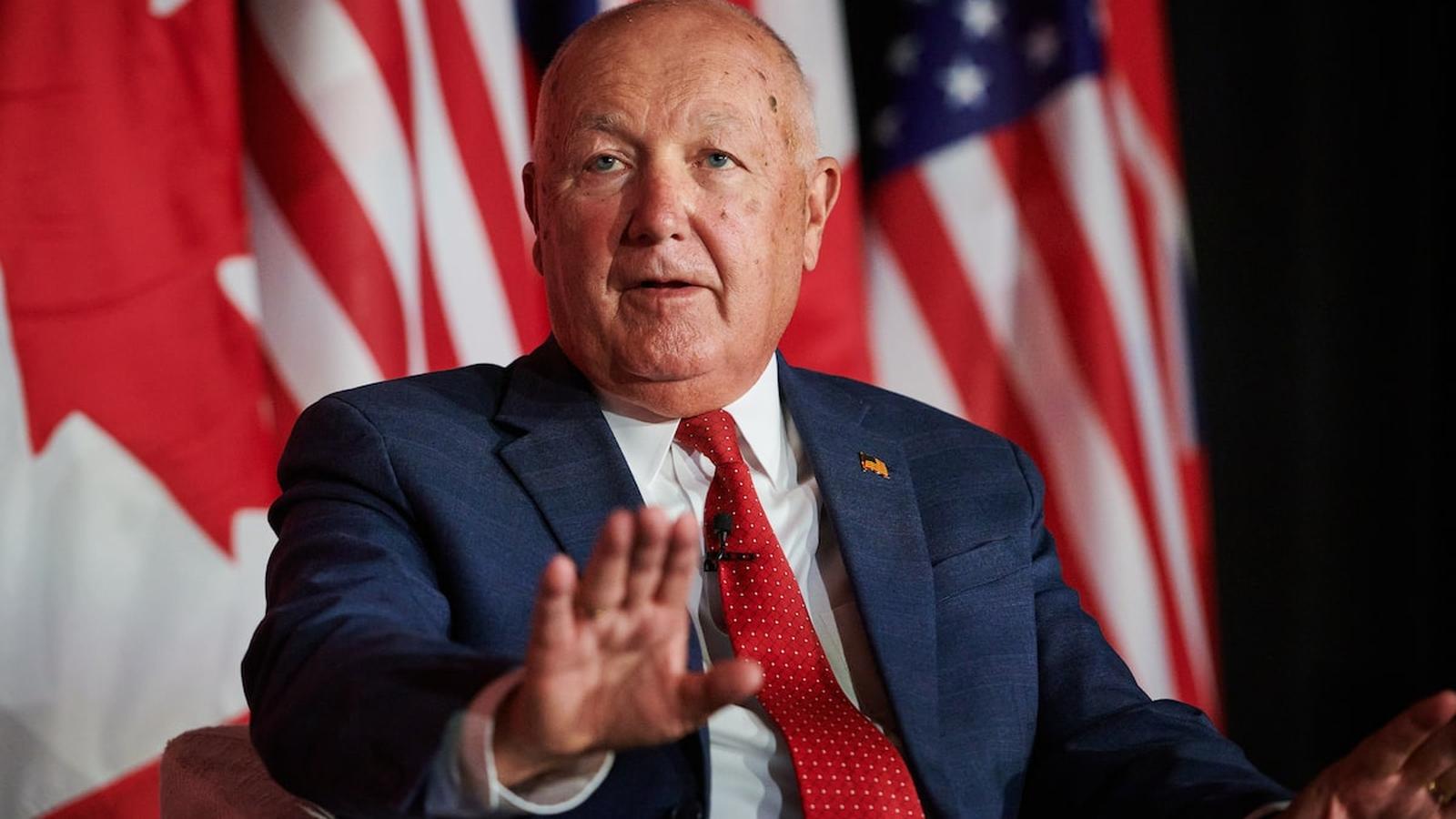
Public Backlash Grows Over Alleged Diplomatic Interference
OTTAWA — A formal parliamentary petition calling on the Canadian government to declare United States Ambassador Pete Hoekstra persona non grata has experienced an unprecedented surge, eclipsing 100,000 signatures. The petition, scheduled to be introduced in the House of Commons this fall by Green Party Leader Elizabeth May, highlights mounting public resistance to what critics characterize as direct American interference in Canada’s domestic politics and national sovereignty.
Initiated by Leanne Walker, a resident of Calgary, the petition was published on July 21 on Canada’s official parliamentary petitions portal and is scheduled to remain open for signatures until November 18. The initiative gained rapid momentum, nearly tripling its signature count in less than 48 hours. The sudden groundswell reflects deep-seated public concern over a series of controversial statements and actions by Hoekstra, a prominent ally of President Donald Trump and former Republican congressman.
The Core Grievances: Annexation Rhetoric and Domestic Interference
The primary catalyst for the petition centers on Ambassador Hoekstra’s public commentary regarding Canada-U.S. relations, which petitioners argue violates basic diplomatic protocols. Specifically, the petition highlights Hoekstra’s description of Canada’s 2025 federal election as “anti-American.” Furthermore, the ambassador drew sharp criticism for suggesting that Canadian Prime Minister Mark Carney should discuss with President Trump the possibility of Canada being annexed by the United States as the “51st state.”
Hoekstra has repeatedly downplayed the controversy, sharing social media posts that refer to Canada as the 51st state and characterizing such rhetoric as a “term of endearment” rather than a geopolitical threat. However, the petition argues that normalizing annexation talk undermines Canada’s territorial integrity and national identity.
Beyond his verbal remarks, the petition focuses on Hoekstra’s alleged links to an American voter identification mobile application. The app has reportedly been utilized by the Alberta separatist movement to collect the names, addresses, and contact details of potential referendum supporters. Although Hoekstra has denied any knowledge of the application being used by Canadian secessionists, the petition cites the connection as part of a “pattern of conduct” inconsistent with the Vienna Convention on Diplomatic Relations.
Parliamentary Mechanisms and Diplomatic Implications
Under Canadian parliamentary rules, any petition hosted on the official House of Commons portal that gathers at least 500 signatures and secures the sponsorship of a Member of Parliament (MP) mandates a formal, written response from the federal government within 45 days of its presentation. Because Green Party MP Elizabeth May has agreed to sponsor the petition, Prime Minister Mark Carney’s cabinet will be legally obligated to deliver a formal response once the petition is presented this fall.
Declaring a foreign ambassador persona non grata under Article 9 of the Vienna Convention is the most severe diplomatic sanction a host country can impose, resulting in immediate expulsion. While such a drastic measure is virtually unprecedented between close allies like Canada and the United States, the sheer volume of signatures ensures that the issue cannot be easily dismissed by Ottawa’s foreign policy establishment.
In an interview with national broadcaster CBC News, petition author Leanne Walker acknowledged that she does not realistically expect the Canadian government to expel the U.S. ambassador. Instead, she emphasized that the primary goal of the petition is to send a clear, unambiguous message to Washington that Canadian sovereignty is not open for negotiation or casual dismissal.
A spokesperson for the U.S. Embassy in Ottawa confirmed that they are aware of the petition but declined to offer further comment. The escalating public debate comes at a sensitive juncture for bilateral relations, as Ottawa and Washington navigate complex negotiations over trade, defense, and border security.