


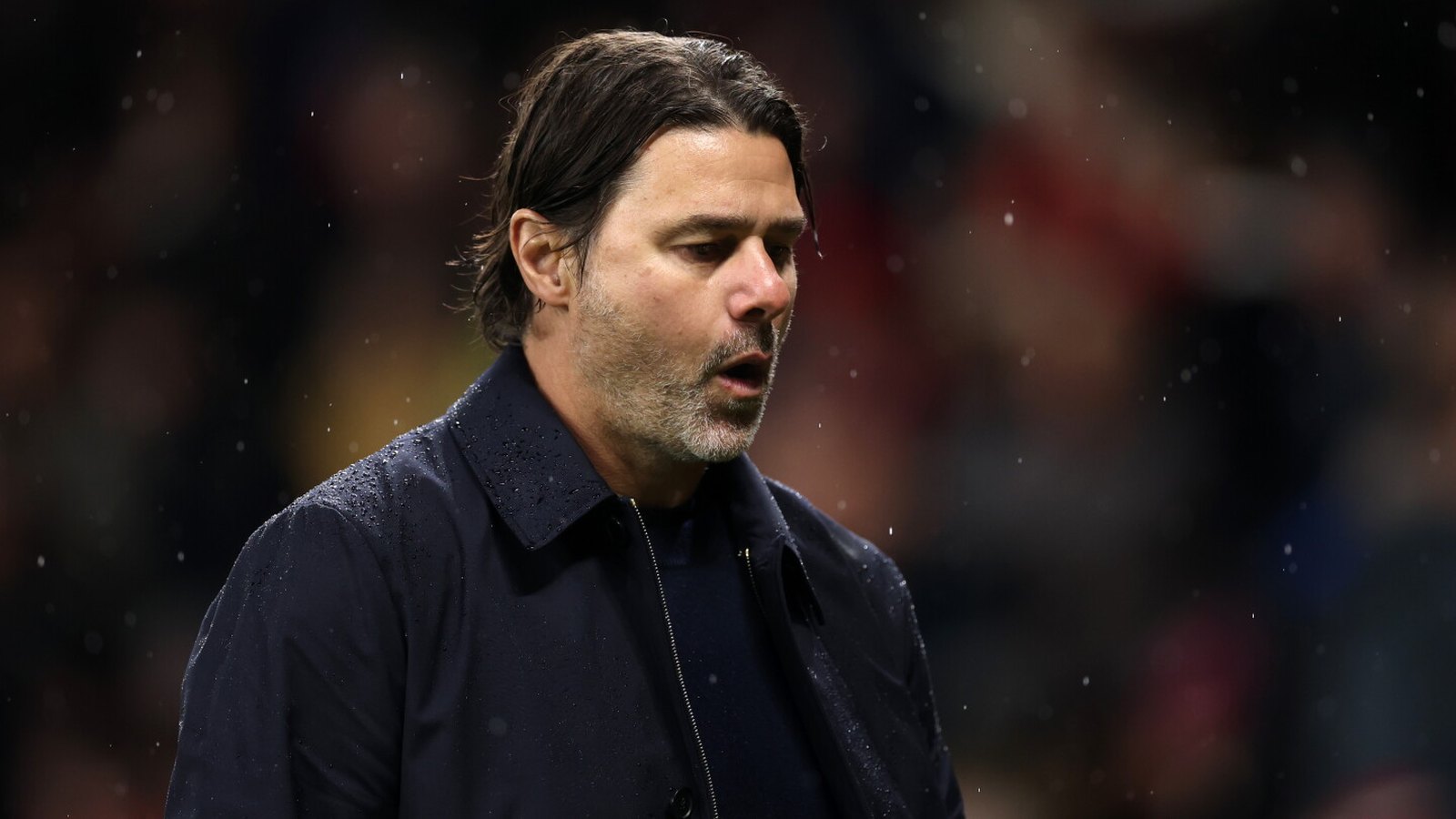
A Devastating Defeat and a Toxic Atmosphere at Old Trafford
Manchester United manager Mauricio Pochettino finds himself under intense pressure following a harrowing 4-0 home defeat to Brentford on Saturday, November 28, 2026. Playing in his first home match in charge at Old Trafford, the Argentine coach witnessed his side collapse into back-to-back 4-0 losses in the Premier League. As reported by NBC Sports, the match devolved into a toxic spectacle as fans vented their frustration with boos, chants directed against the club ownership, and vocal demands for Michael Carrick as the team slid dangerously close to the relegation zone.
Despite a promising opening 20 minutes where United controlled possession and created multiple scoring opportunities, the hosts failed to capitalize. Joshua Zirkzee, Bruno Fernandes, Amad Diallo, and Patrick Dorgu all squandered clear chances. Brentford punished that wastefulness ruthlessly when Callum Wilson broke the deadlock in the first half before adding a second just before the interval, leaving the score 2-0 at halftime.
Second-Half Collapse and Clinical Finishing
The situation deteriorated further after the break. Although Manchester United attempted to claw their way back—with Youri Tielemans smashing the crossbar and Harry Maguire having a header cleared off the line—Brentford’s clinical counter-attacking exposed United’s defensive fragility. Kristoffer Ajer slammed home a third goal from close range, and substitute Kevin Schade completed the 4-0 rout with a late chipped finish.
The result extends United’s winless run in the Premier League to 10 matches. According to NBC Sports, the team risks ending the weekend at the bottom of the Premier League table depending on subsequent fixtures. The stark contrast between United’s bright start and their eventual unraveling highlighted deep systemic flaws in squad preparation and defensive organization.
Pochettino and Tielemans Address the Reality
Speaking to the media after the match, Mauricio Pochettino made no attempt to sugarcoat the crisis. Confronted with questions about the scale of the challenge, Pochettino stated that the team must accept their current reality. “Of course, after 4-0 and 4-0 it doesn’t look good, even considering the circumstances against Liverpool. We need to stay united and stay together. We need to improve. That is our reality. Nothing to say. The situation is the situation we knew when we arrived,” Pochettino said, emphasizing that turning things around is merely a matter of time despite the painful lessons.
Midfielder Youri Tielemans echoed the sentiment of frustration, noting that United held total control before conceding the opener. “Before their first goal we had total control of the game,” Tielemans remarked, pointing out that the team must become more compact and avoid leaving themselves so exposed during transitional moments. As the club navigates a turbulent winter schedule, Pochettino faces the urgent task of restoring basic defensive solidity and psychological resilience to a faltering squad.
Systemic Vulnerabilities and Tactical Missteps Under the Microscope
The tactical setup deployed by Pochettino for his Old Trafford debut immediately faced scrutiny, particularly given his bold decisions regarding the starting lineup. By leaving prolific forwards Matheus Cunha and Bryan Mbeumo on the bench at kickoff, Pochettino opted for Joshua Zirkzee as a central focal point while handing Amad Diallo and Patrick Dorgu starting roles. While this strategy initially produced fluid attacking combinations during the opening exchanges, the inability of United’s frontline to convert their dominance into goals proved fatal. As analysts and observers noted, the recurring theme throughout the campaign has been a glaring lack of clinical finishing coupled with alarming defensive disintegration once the opposition gains momentum.
Brentford capitalized systematically on these vulnerabilities. The visiting side, expertly orchestrated by Keith Andrews, absorbed the initial pressure before launching razor-sharp counter-attacks that exposed the yawning gaps in United’s midfield and defensive structure. Callum Wilson’s opening strike shattered the fragile confidence of the hosts, transforming what had been an energetic performance into a disjointed and error-prone display. The subsequent goals from Ajer and Schade underlined the vast gulf in tactical discipline and execution between the two sides.
The Mounting Psychological Toll and Fan Backlash
Beyond the technical and tactical deficiencies exposed on the pitch, the psychological toll on the players and the club’s fanbase has reached an unprecedented nadir. The toxic atmosphere inside Old Trafford at the final whistle—characterized by furious chants from the Stretford End and widespread condemnation of the ownership structure—reflects a disconnect that extends far beyond a single matchday. Pochettino was seen directing his players toward the disgruntled supporters, an exercise in accountability that yielded little comfort for fans witnessing their team sink deeper into the mire of a relegation battle.
As the club confronts a daunting sequence of fixtures ahead, the imperative for structural and mental recovery grows ever more urgent. Pochettino’s public admissions regarding the harsh reality of the situation signal an awareness of the monumental rebuild required at Old Trafford. However, with supporters voicing their discontent and confidence evaporating on the pitch, translating those admissions into tangible on-field improvement remains the ultimate test for the manager and his players.