


Pope Leo XIV has initiated a series of administrative reforms, issuing new legislation on June 30, 2026, aimed at refining the Vatican’s financial intelligence operations and the governing structure of the Vicariate of Rome. These measures, described by Vatican observers as a methodical adjustment of his predecessor Pope Francis’ policies, seek to enhance accountability and operational efficiency within the Holy See.
Financial Watchdog Restructured
The core of the financial reforms involves a new 12-article statute for the Supervisory and Financial Information Authority (ASIF). The agency, which serves as the Vatican’s anti-money-laundering and financial intelligence unit, will transition from a board-led model to a system directed by a single director and deputy director, both appointed by the Pope for five-year terms. ASIF’s mandate remains focused on combating money laundering and terrorist financing, while its authority has been expanded to include the arbitration of disputes involving the Institute for the Works of Religion (the Vatican bank).
Revising the Vicariate of Rome
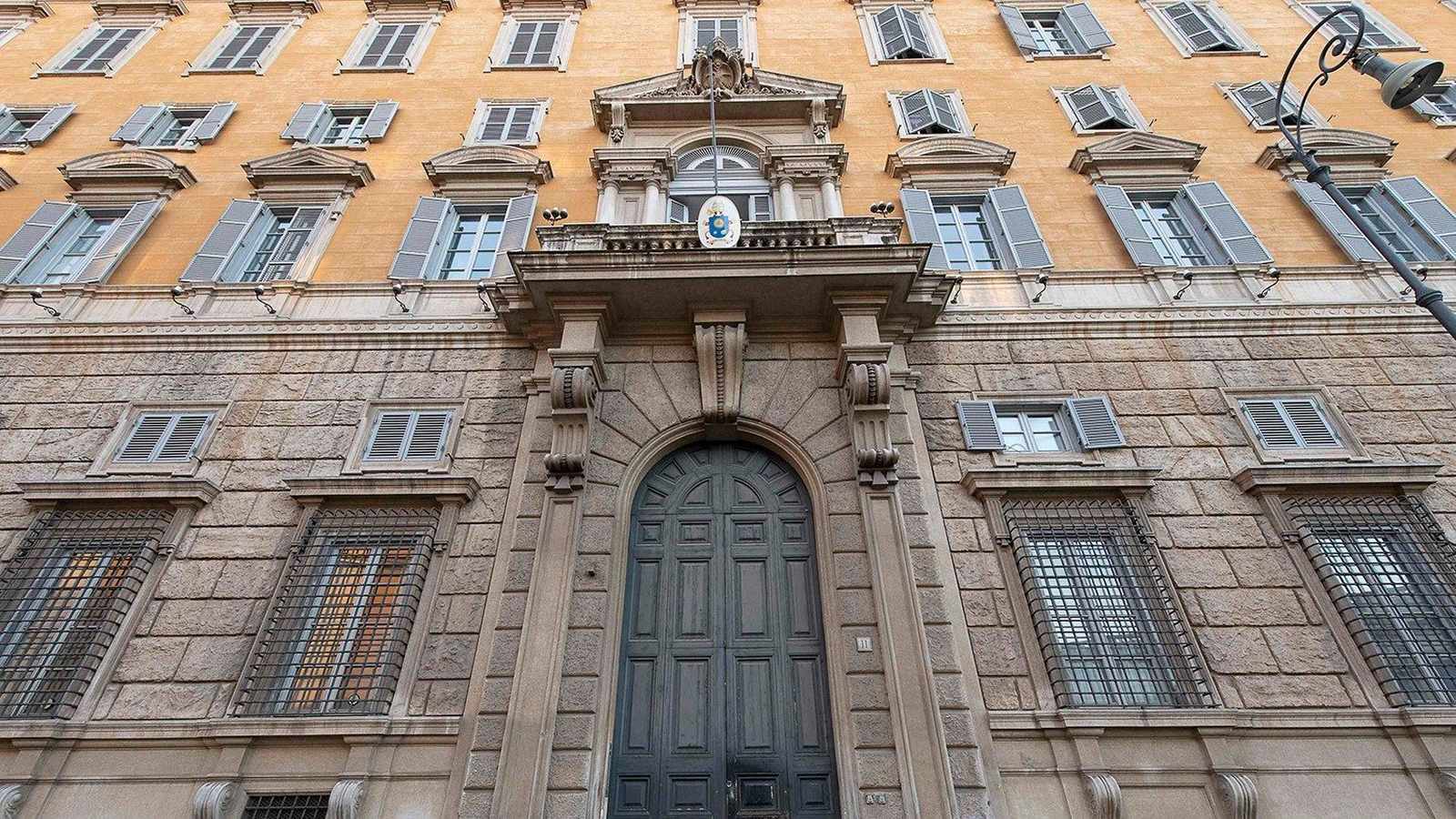
In a separate legislative move, the Pope issued the motu proprio titled Confirma Fratres Tuos, which adjusts the 2023 constitution governing the Vicariate of Rome. The reform introduces a “moderator curiae” to oversee daily administrative coordination, aiming to streamline the distribution of responsibilities. This follows a review process initiated by the Pope in February 2026, designed to address administrative challenges identified under previous reform frameworks.
Financial Performance and Appointments
The Vatican also released its 2025 financial report for Peter’s Pence, revealing a deficit of approximately 2.2 million euros, with total income of 57.6 million euros against expenditures of 59.8 million euros. Despite the deficit, the report highlights the continued prioritization of direct-assistance projects, with 13.3 million euros distributed to 74 countries. Additionally, Pope Leo has confirmed several key promotions within the Roman Curia, emphasizing continuity by elevating existing officials, including the appointment of Sr. Alessandra Smerilli as prefect of the Dicastery for Integral Human Development.