


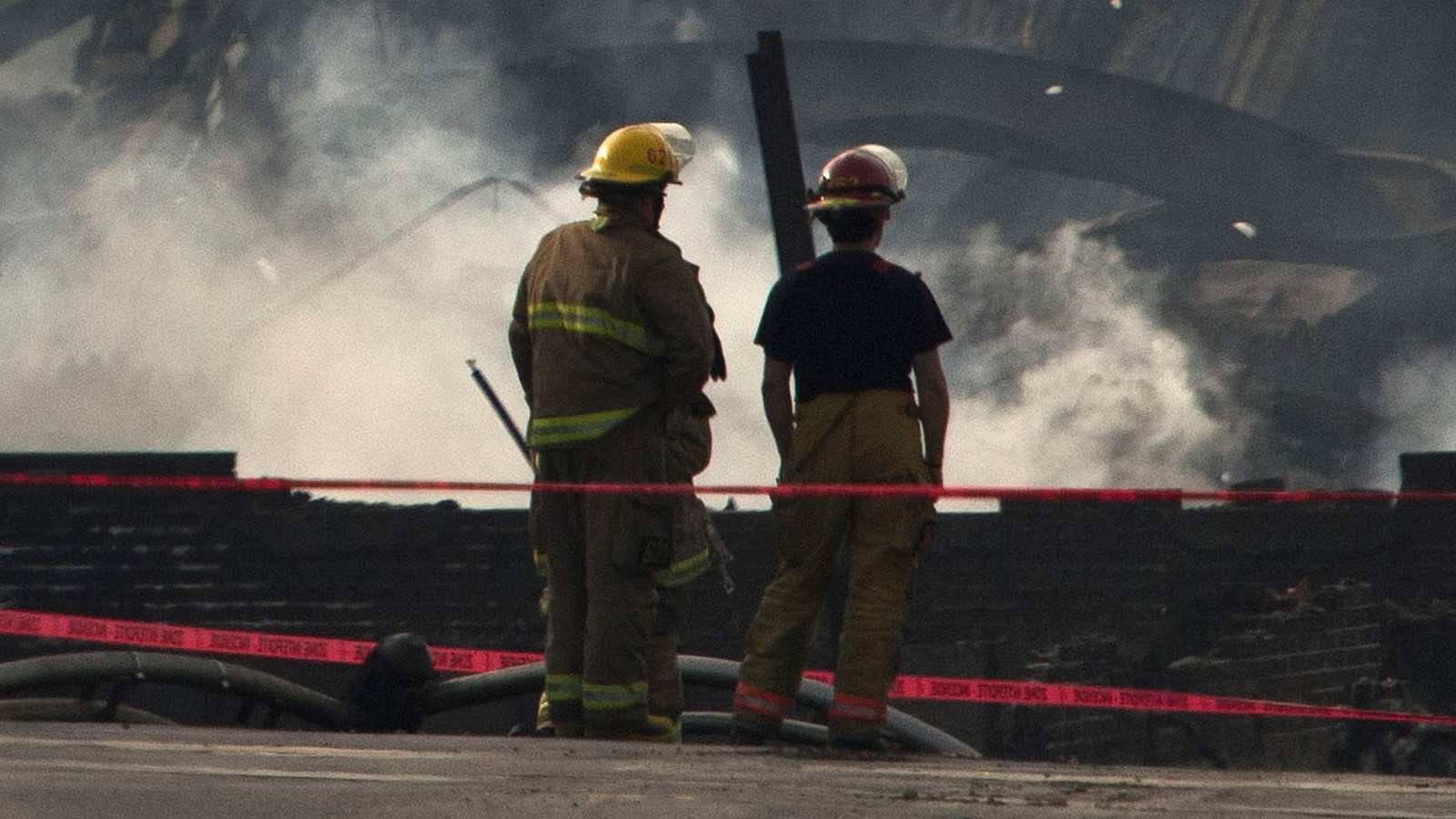
Survivors of two major North American rail disasters are joining forces to challenge systemic regulatory failures and demand greater transparency regarding industrial safety. A recent discussion featuring residents from the 2013 Lac-Mégantic, Quebec, disaster and the 2023 East Palestine, Ohio, derailment highlighted a shared history of community trauma and perceived government negligence.
The Lac-Mégantic incident, which resulted in 47 fatalities after a train carrying crude oil exploded in the town center, remains a stark reminder of the human cost of rail deregulation. Survivors Robert Bellefleur and Gilbert Carette joined Jami Wallace and Christina Siceloff, residents of East Palestine, to share their experiences on the Working People podcast. The participants argued that in both cases, authorities downplayed environmental risks and public health concerns, leaving local populations to manage the aftermath with little institutional support.
Jami Wallace, who founded the Chemically Impacted Communities Coalition following the Norfolk Southern derailment in Ohio, noted that residents felt misled by official assurances that the area was safe for return despite ongoing health symptoms. Similar narratives emerged from the Canadian side, where activists like Anne-Marie Saint-Cerny have long criticized the handling of the 2013 disaster, alleging that officials prioritized industry interests over public welfare.
The survivors are now advocating for a unified grassroots approach to hold both rail corporations and government regulators accountable. They emphasize that the psychological and physical impacts of these disasters are long-lasting and that future safety depends on community vigilance. By sharing their experiences, these survivors aim to build a network of solidarity that pushes for more rigorous oversight of the rail industry to prevent similar tragedies in the future.