


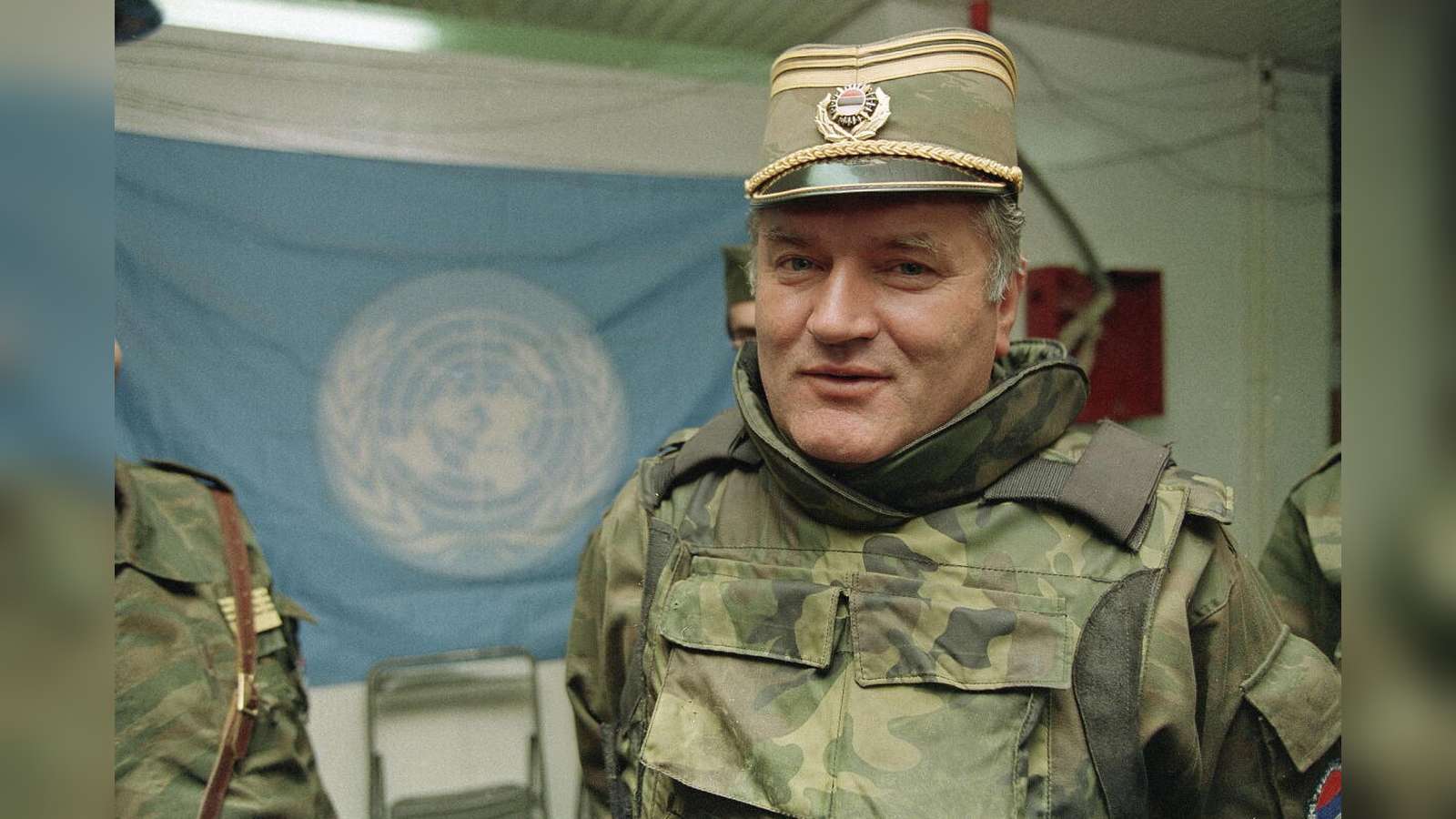
Death in The Hague
Ratko Mladić, the former commander of the Bosnian Serb army and a central figure in the 1990s Yugoslav wars, died on Thursday at the age of 84. Mladić had been serving a life sentence at the United Nations Detention Unit in The Hague, Netherlands, following his 2017 conviction for war crimes, crimes against humanity, and genocide.
The International Residual Mechanism for Criminal Tribunals confirmed the death, noting that Mladić passed away while receiving medical care at a hospital in The Hague. The court has since opened a formal inquiry into the circumstances of his death, with a presiding judge visiting the detention center on Friday.
Diplomatic and Legal Tensions
Mladić’s death follows a rejected petition for early release on humanitarian grounds. On August 20, just one week before his death, Uruguayan Judge Graciela Gatti Santana denied the request, citing the “comprehensive and compassionate medical care” provided by the UN facility and the existing visitation rights that allowed him meaningful contact with his family.
Serbian President Aleksandar Vučić publicly criticized the tribunal’s decision, labeling the refusal to grant a medical release as “uncivilized behavior.” Vučić stated that the court’s actions suggested a desire for Mladić to die while incarcerated. Belgrade officials have indicated they are prepared to assist the family with funeral arrangements should they choose to bury him in Serbia, though no confirmation of a state-sanctioned funeral has been provided.
Legacy of the Bosnian War
Often referred to as the “Butcher of the Balkans,” Mladić commanded forces responsible for the 1995 Srebrenica massacre, where more than 8,000 Bosnian Muslim men and boys were killed. The event is recognized by the UN as the first genocide in Europe since World War II. His forces also conducted the lengthy siege of Sarajevo and established detention camps for non-Serb civilians.
For the victims’ families, his death in prison serves as a finality to a long pursuit of justice. Fazila Efendic, who lost family members in Srebrenica, expressed satisfaction that Mladić lived to serve his sentence. Conversely, the news has prompted vigils among Bosnian Serbs, many of whom continue to view Mladić as a hero of the conflict.