


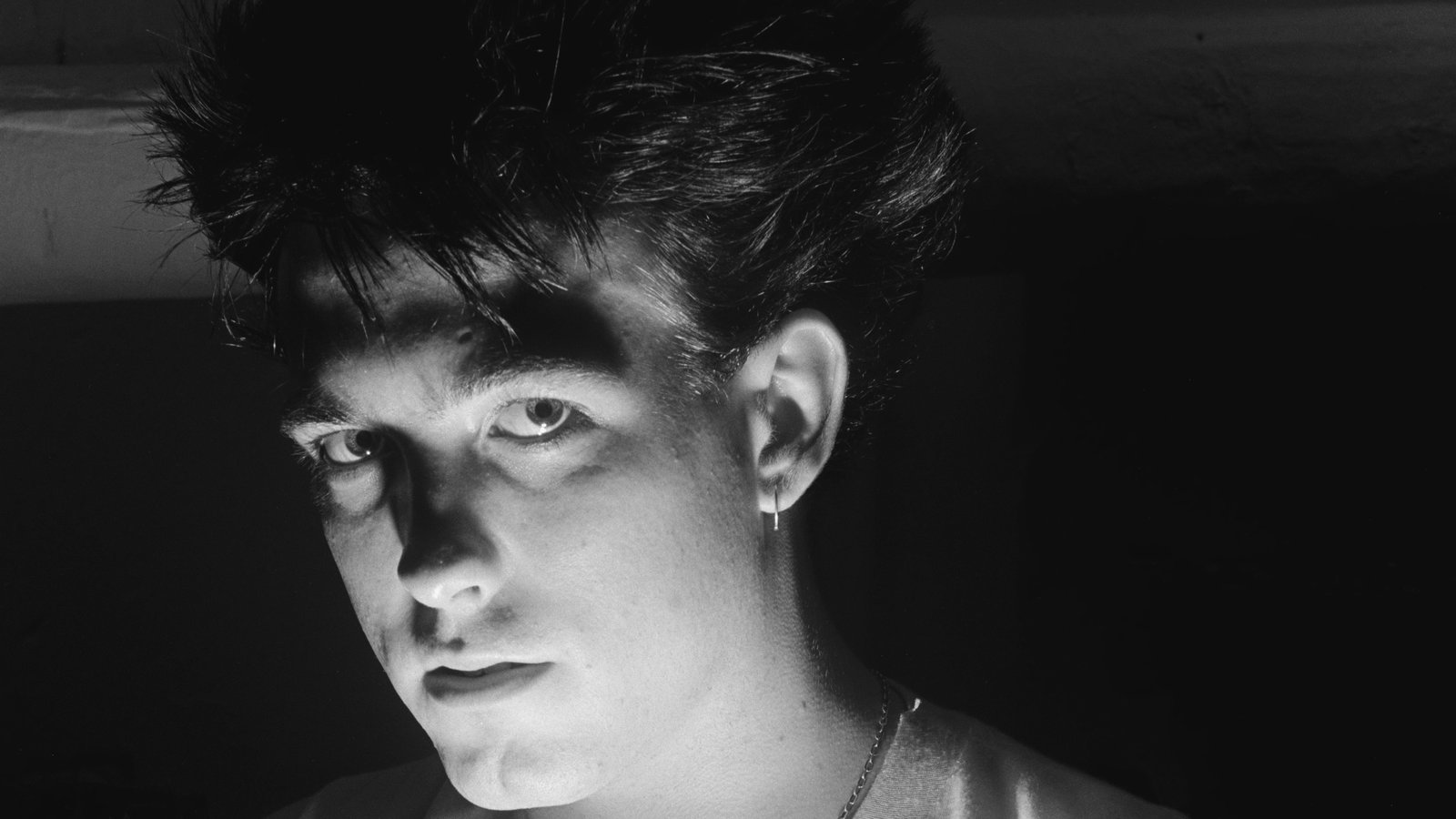
Clarifying the Identity of Robert Smith
In the digital age, the convergence of disparate news cycles can lead to significant public confusion. This week, the publication of an obituary for a 79-year-old veteran named Donald Barrett Smith—who was identified in some local listings by his middle and last name—coincided with a flurry of high-profile media coverage regarding Robert Smith, the iconic frontman of the rock band The Cure. This intersection has inadvertently triggered a wave of misinformation across social media platforms, necessitating a clear distinction between the two.
The musician Robert Smith remains active and engaged in the music industry. Recent media attention has focused on his retrospective reflections regarding the early, turbulent years of The Cure, particularly the period surrounding the band’s ‘Doom Trilogy’ (1980–1982). In recent features, Smith has candidly discussed the physical and mental toll of that era, specifically recalling a moment of extreme exhaustion in 1983 when he believed his health was failing. As reported by MusicRadar, Smith noted: “I told them I was dying and they didn’t believe me. I could tell by the look on my doctor’s face that there was something very, very wrong with me.” These quotes, while historical in nature, have been misinterpreted by some readers as contemporary health updates.
Professional Activity and Industry Standing
Far from retiring or stepping back from the spotlight, Robert Smith continues to be a central figure in the contemporary music landscape. His influence was recently highlighted by Elbow frontman Guy Garvey, who, in an interview with NME following the 2026 Ivor Novello awards, described Smith as a “wonderful man.” Garvey detailed how Smith personally curated the 2026 Teenage Cancer Trust concert series, demonstrating the hands-on approach the musician maintains in his professional and philanthropic endeavors. According to Garvey, Smith’s direct involvement—down to handwriting envelopes for ticket holders—underscores a level of engagement that is active, intentional, and very much present.
Furthermore, the cultural footprint of The Cure remains a point of reference for new generations of artists. Pop star Olivia Rodrigo recently released a track titled “The Cure,” prompting her to clarify that the song is an artistic homage rather than a collaboration or a reference to the band’s status. This, combined with the musician’s ongoing role in organizing high-profile charitable events, confirms that the subject of these recent interviews is not only alive but remains a highly functional and influential participant in the global music scene.
The Risks of Algorithmic Conflation
The confusion serves as a potent reminder of how algorithmic news aggregation can inadvertently amplify false narratives. When obituaries and legacy-focused interviews appear simultaneously in search indexes, the lack of contextual depth can lead to rapid, unchecked dissemination of rumors. By separating the tragic loss of a decorated veteran—Donald Barrett Smith, who served in the U.S. Air Force and resided in Warren—from the ongoing career narrative of the musician, it becomes evident that the two stories share nothing more than a coincidental timeline and a common name.
The persistence of digital misinformation highlights an ongoing challenge for media consumers: the necessity of verifying source context before drawing conclusions from headlines. While Robert Smith of The Cure has been open about the extreme health challenges he faced during the band’s formative years in the 1980s, these reflections are a testament to his survival and subsequent artistic evolution, rather than a commentary on his current well-being. The public discourse surrounding his legacy remains tied to his continued creative contributions, which show no signs of abating in the current year.