


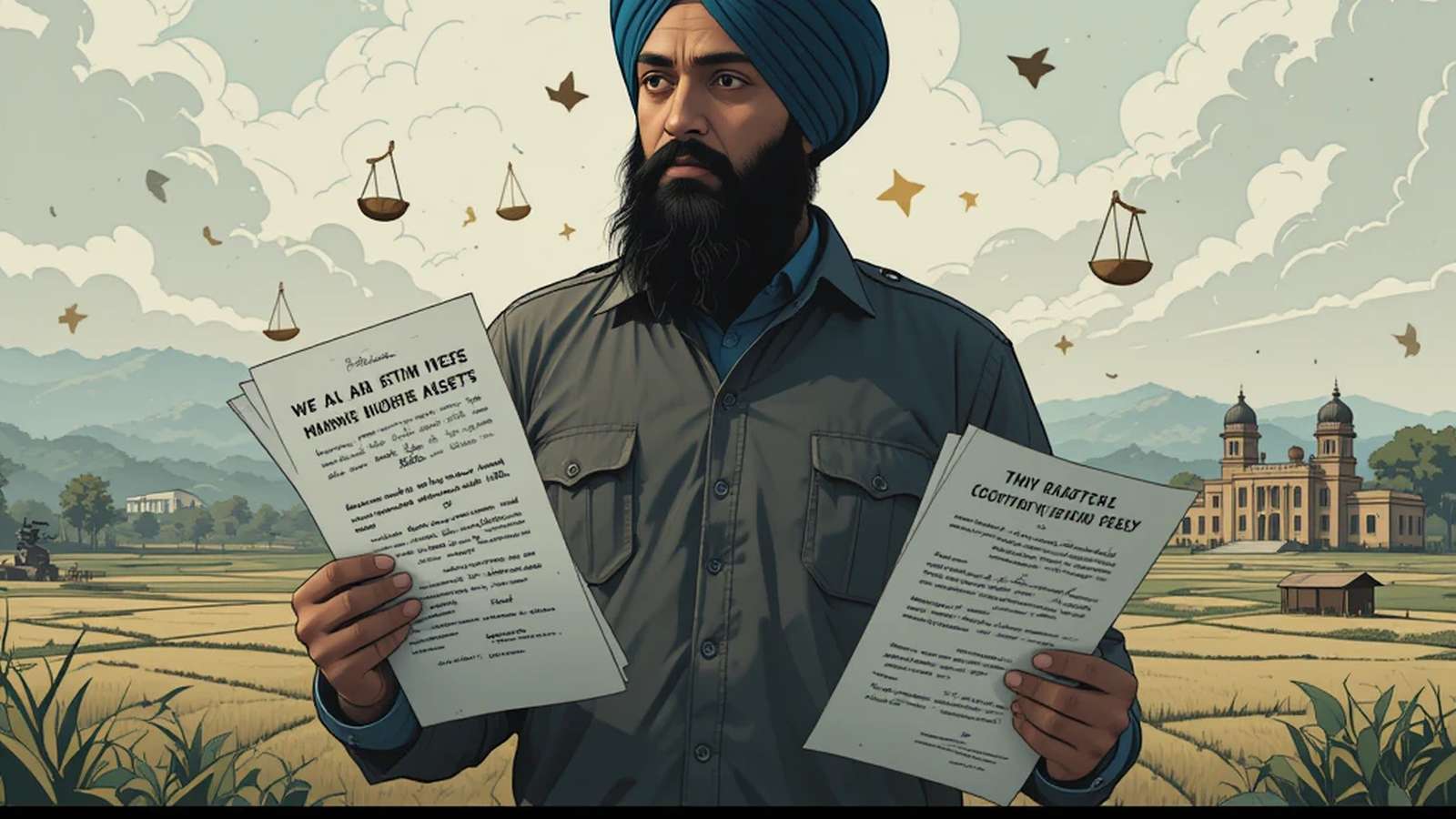
A sudden withdrawal from digital screens
The biographical drama Satluj, directed by Honey Trehan and starring Diljit Dosanjh, was removed from the streaming platform ZEE5 in India less than 48 hours after its digital premiere. The film, which chronicles the life and investigations of human rights activist Jaswant Singh Khalra, was pulled following a directive from the Indian government, according to sources cited by NDTV and other local media outlets.
ZEE5 issued a brief statement on social media confirming the removal, stating, “In light of the current developments, Satluj will be unavailable in India until further notice.” While the platform did not provide specific details, government sources indicated that the action was taken under the IT Rules 2021, citing “security concerns” regarding the film’s content.
The long road to release
The film’s journey to the screen has been marked by a prolonged dispute with the Central Board of Film Certification (CBFC). Originally titled Ghallughara and later Punjab ’95, the filmmakers faced demands for 127 cuts from the board, including the removal of key historical references and the activist’s name. After years of negotiation and legal challenges, the team bypassed a theatrical release, choosing to premiere the uncut version on ZEE5.
Jaswant Singh Khalra was a pivotal figure in Punjab during the 1990s, gaining international attention for his investigation into the illegal abduction and secret cremation of thousands of individuals by police. He was abducted from his home in 1995 and subsequently murdered. In 2005, several police officials were convicted of his abduction and killing, a verdict later upheld by the Supreme Court of India.
Stakes of historical memory
The removal has ignited a significant debate regarding historical memory and state censorship. Political figures from multiple parties, including the Aam Aadmi Party and the Congress party, have criticized the decision, arguing that the film documents a dark but essential chapter of India’s history. Meanwhile, filmmaker Ram Gopal Varma and other industry figures have appealed for the film’s restoration, describing it as an “essential” work that confronts institutional complicity without sensationalism.
While the film remains available to international audiences via ZEE5 Global, its domestic suppression has led to the widespread circulation of pirated copies online. As the filmmakers seek to navigate the legal process to restore the film, the incident highlights the ongoing tensions between artistic freedom and the state’s regulatory powers over digital content.