


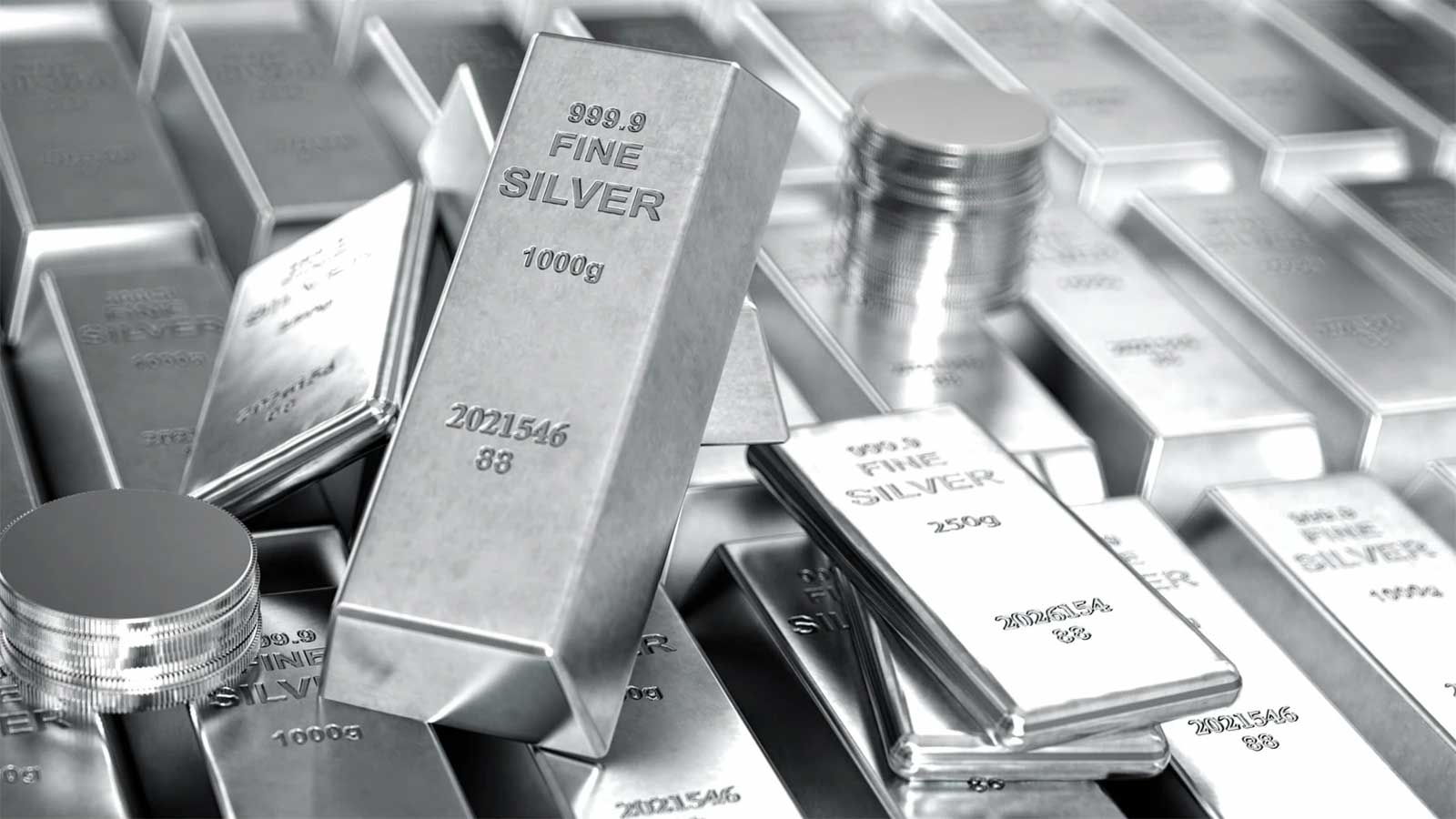
Silver, often referred to as the ‘poor man’s gold,’ has seen unprecedented price surges, capturing global attention. The combination of a historic short squeeze, heightened demand for safe-haven assets, and dwindling physical supply has propelled silver prices to record-breaking levels, leaving investors and analysts scrambling to comprehend the implications.
What Triggered the Historic Price Surge?
The current rally in silver prices is the culmination of several converging factors. A historic short squeeze in the London market has led to a dramatic escalation in prices, with silver reaching an all-time high of $52.58 per ounce. This is a milestone that surpasses the infamous 1980 Hunt brothers’ market manipulation era. The short squeeze, exacerbated by a lack of liquidity in London, has forced traders to resort to drastic measures, such as airlifting silver bars from New York to London—a costly practice traditionally reserved for gold.
Additionally, the global economic climate has further intensified the rally. With the U.S. government in a state of shutdown and central banks reducing interest rates, investors are flocking to precious metals as a hedge against uncertainty. Silver, like gold, has benefited from this surge in safe-haven demand, bolstered by industrial applications that keep its demand resilient.
Industrial and Investment Demand: A Perfect Storm
Unlike gold, which is largely driven by investment and central bank purchases, silver has a dual demand profile. Its industrial uses—ranging from solar panels to electronics—constitute a significant portion of its consumption. Recent data indicates a sharp rise in demand from India and Asia, regions where silver is a staple in both industrial and cultural contexts. This surge has led to physical shortages, with some dealers unable to fulfill orders, creating a ‘two-tier market’ where paper contracts and physical silver are increasingly misaligned.
London lease rates for silver have soared to over 39%, signaling extreme stress in the market. These rates, which represent the cost of borrowing silver, are a rare panic indicator that underscores the severity of the supply crunch. Analysts warn that this imbalance could trigger further price volatility, as short sellers face mounting pressure to either deliver physical silver or close their positions at significant losses.
Risks and Challenges Ahead
While the silver market is riding a wave of bullish sentiment, it is not without risks. Analysts from Goldman Sachs caution that the small size of the silver market—approximately one-ninth that of gold—makes it particularly vulnerable to sharp corrections. A sudden cooling of investment inflows could lead to a rapid reversal in prices, especially in the absence of central bank intervention.
Moreover, geopolitical and economic uncertainties add another layer of complexity. The U.S. Section 232 probe into critical minerals, including silver, has created additional tension. Although silver was exempt from recent tariffs, the mere possibility of future levies has kept markets on edge. Additionally, the ongoing U.S. government shutdown has amplified concerns, with political gridlock showing no signs of resolution.
The Outlook for Silver Prices
Despite the risks, many experts remain optimistic about silver’s long-term prospects. Bank of America recently revised its 2026 price forecast for silver from $44 to $65 per ounce, citing persistent supply deficits, fiscal challenges, and a favorable interest rate environment. This optimistic outlook is supported by the broader trend of increasing monetary uncertainty and growing industrial demand.
However, the road ahead is likely to be turbulent. The current rally, while impressive, is part of a mature bull market that could face significant headwinds. Analysts suggest that while there is room for further upside, the market may be nearing a critical juncture where profit-taking and market corrections become inevitable.
Silver’s meteoric rise is a testament to its enduring allure as both a safe-haven asset and an industrial necessity. While the current rally underscores its importance in the global economy, investors should tread cautiously, as volatility and market dynamics could reshape the landscape in the near future.