


Parliamentary Scrutiny and Financial Stakes
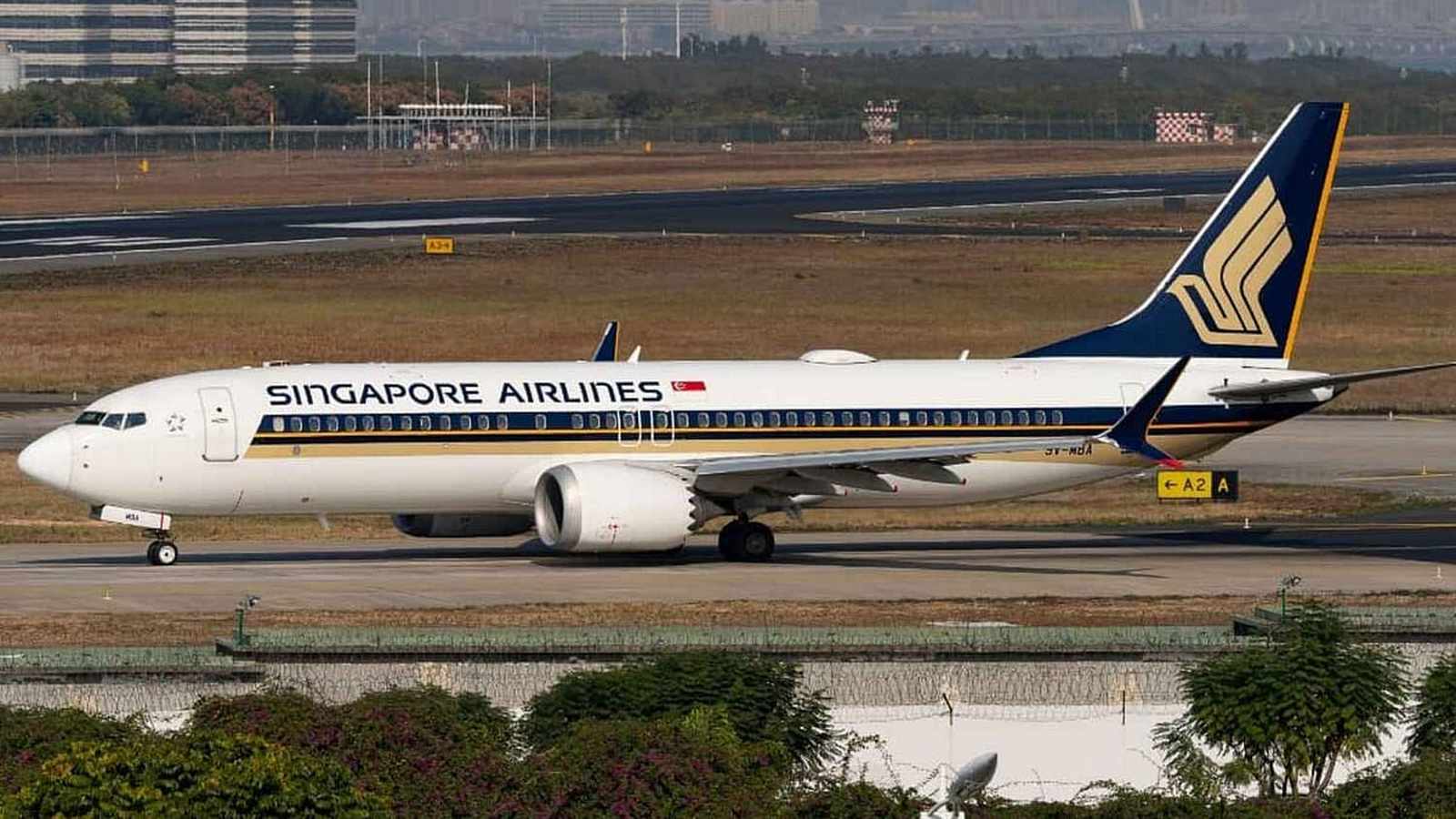
Singapore Airlines (SIA) is navigating intense political and financial pressure as it evaluates a request for a $1.5 billion capital injection into its partner, Air India. The funding request, aimed at supporting the Indian carrier’s ongoing transformation program, has sparked a debate within Singapore’s Parliament regarding the airline’s exposure to Air India’s financial instability.
Singaporean Member of Parliament Kenneth Tiong Boon Kiat has formally requested an oral answer from the Minister of Transport, scheduled for September 8, 2026. Tiong’s inquiry challenges whether SIA’s continued financial support for the loss-making carrier impacts its capacity to deliver essential transport services and whether it triggers specific notification duties under the Civil Aviation Authority of Singapore Act.
This report draws on information published by dtnext.in and aviationtoday.in.
The Weight of Sovereign Investment
The controversy is amplified by the involvement of Temasek Holdings, Singapore’s sovereign wealth fund, which is the largest shareholder in Singapore Airlines. Critics, including Tiong, argue that the financial burden of Air India’s turnaround—which Tata Sons Chairman N Chandrasekaran has described as a five-to-10-year process—should not fall on public-linked funds if the investment continues to yield losses.
Air India and Air India Express reported combined losses of approximately $2.33 billion in the 2026 fiscal year, a figure more than double the previous year’s losses. Simultaneously, SIA’s own financial performance has faced headwinds, with the airline reporting a 57% decline in net profit to S$1.184 billion for the same period. These concurrent financial struggles have heightened shareholder anxiety regarding the sustainability of the 25.1% stake SIA holds in the Indian carrier.
Strategic Alignment vs. Financial Risk
Despite the criticism, Singapore Airlines maintains that Air India remains a core component of its long-term multi-hub strategy. An SIA spokesperson stated that the board evaluates capital allocation through a disciplined process that considers operating cash flow, investment requirements for new products, and the long-term returns expected from international partnerships. The airline continues to work closely with majority owner Tata Sons to facilitate the carrier’s structural transformation.
As the September 8 parliamentary session approaches, the airline is expected to balance its strategic commitment to the Indian aviation market against the growing demand for transparency and fiscal accountability from its domestic stakeholders.