


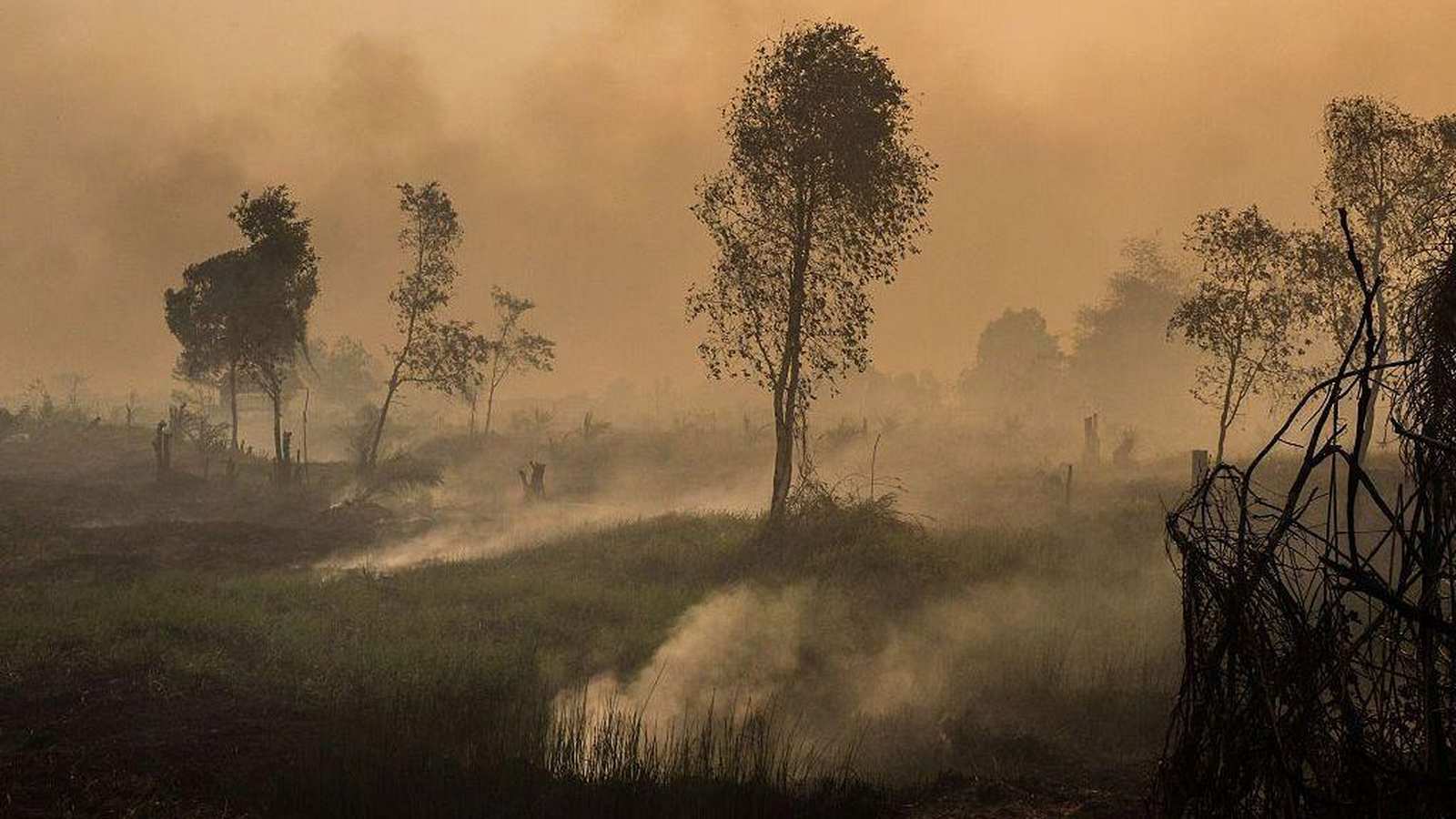
Intensifying wildfires across Indonesia have triggered a severe regional air quality crisis, forcing school closures in neighbouring nations, spiking pollution levels in Singapore, and igniting diplomatic friction across Southeast Asia. According to reporting by the BBC, the crisis has fueled public tensions between Jakarta and its neighbours as governments grapple with the health and economic fallout of prolonged transboundary smoke (BBC).
The situation escalated after pollution readings in Singapore reached their highest level of the year, with the island’s 1-hour PM2.5 reading hitting 284 micrograms per cubic metre in western districts—entering the National Environmental Agency’s “very high” band for the first time in the current cycle, as reported by Reuters via AOL. Meanwhile, East Timor suspended face-to-face learning activities for three days due to particle contamination, while several states in Malaysia also implemented school closures.
Regional Fallout and Calls for Diplomatic Action
The crisis has prompted sharp rebukes from lawmakers across the region. Malaysian lawmaker Syed Saddiq Syed Abdul Rahman urged Southeast Asian nations to issue a formal diplomatic protest against Jakarta, arguing that affected countries must present a united front against inadequate fire control measures (AOL). He further suggested that regional financial institutions should cut off funding to corporate entities linked to land-clearing fires.
In Indonesia, domestic political pressure is also mounting. Indonesian lawmaker Junico Siahaan publicly urged the central government to adopt a more conciliatory stance toward affected neighbours rather than responding defensively (BBC). Siahaan stressed that Jakarta should welcome international cooperation and follow up on Singapore’s offers of firefighting assistance, warning that prolonged friction risks damaging Indonesia’s standing among regional partners.
Firefighting Efforts and Environmental Challenges
The current crisis marks Indonesia’s most intense wildfire season in 11 years, driven largely by El Niño-related dry weather conditions that have exacerbated peatland blazes (AOL). Peatland fires burn slowly beneath the surface, making them exceptionally difficult to extinguish permanently without sustained rainfall.
Indonesian authorities report that over 69,000 firefighting personnel have been deployed to combat the blazes, up from approximately 44,000 in mid-September. Officials are also testing experimental chemical methods to suppress stubborn subterranean fires (AOL). However, disaster mitigation spokespersons have emphasized that complete containment remains dependent on weather patterns.
With Southeast Asian foreign ministers scheduled to address transboundary haze at an upcoming ASEAN meeting next month, pressure is growing on member states to establish stricter enforcement and accountability frameworks to prevent recurring seasonal disasters (AOL).