


The Intersection of Spectacle and Policy at Stormont
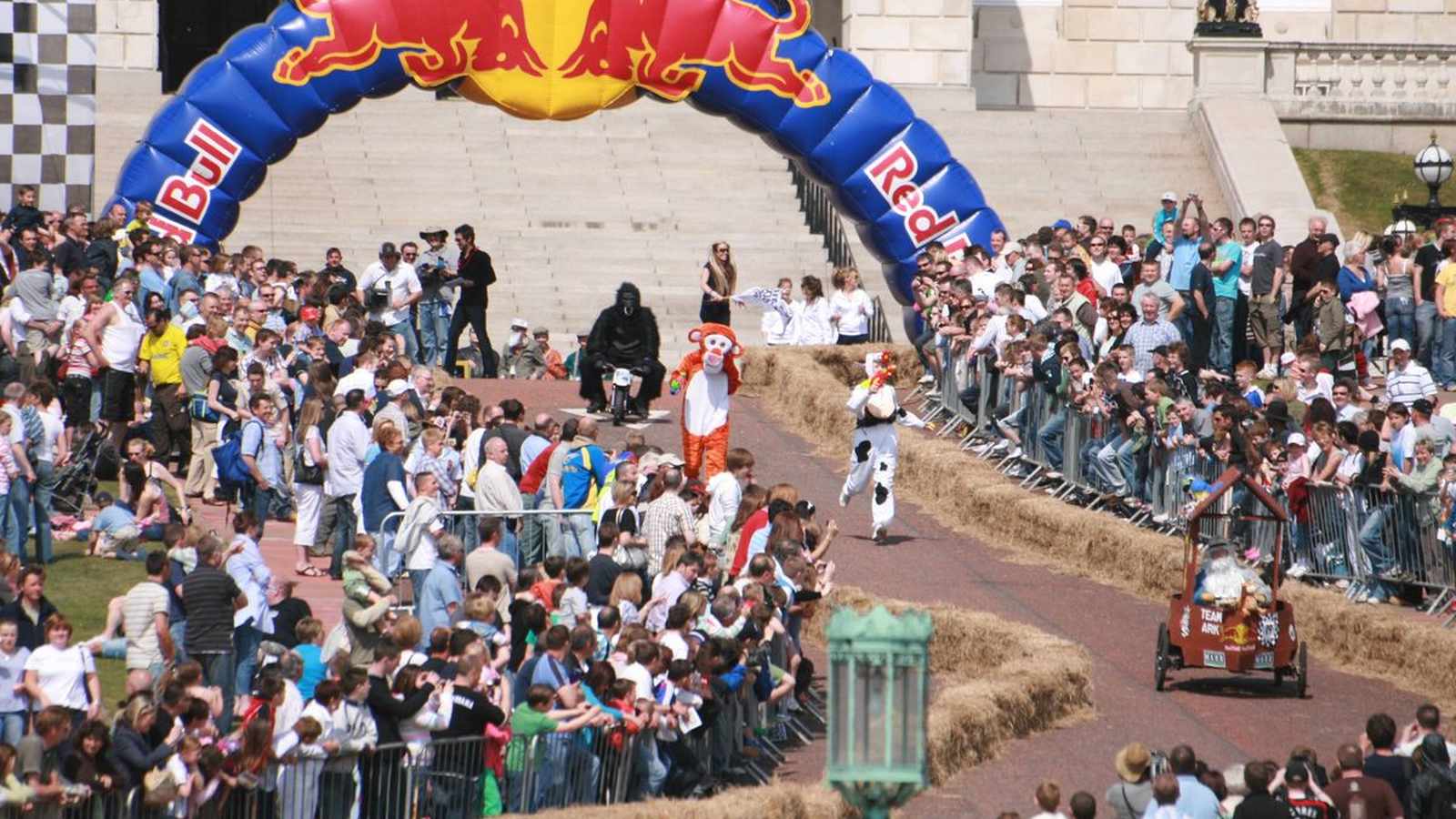
On May 17, 2026, the grounds of Stormont in Belfast served as the unlikely backdrop for two vastly different types of races. While 40 teams navigated homemade, non-motorized machines down a hill for the Red Bull Soapbox race—the first such event at this venue since 2008—Economy Minister Caoimhe Archibald was engaged in a more institutional sprint. The Minister used the occasion to assert that there remains ‘plenty of time’ within the current Northern Ireland Assembly mandate to pass the ‘Good Jobs Bill,’ a piece of legislation described as the most significant upgrade to employment law since the 1998 Good Friday Agreement. The juxtaposition of a whimsical public event drawing 30,000 spectators and the rigid, often stalled gears of power-sharing governance highlights a critical juncture for Northern Ireland’s socio-economic policy.
The Legislative Clock: Archibald’s Mandate Challenge
The ‘Good Jobs Bill’ was first proposed in April 2025, but more than a year later, it has yet to be formally debated by MLAs. With the current Assembly mandate set to expire in March 2027, business groups and some political factions, notably within the Democratic Unionist Party (DUP), have expressed skepticism regarding the remaining timeframe for proper scrutiny. However, speaking on the BBC’s Sunday Politics, Archibald insisted that the drafting process is complete and the bill is currently being reviewed by Executive colleagues. She pointed to the recent Employment Rights Bill in Great Britain, noting its committee stage took only seven weeks, as evidence that Northern Ireland can achieve a similar pace if political will exists.
The stakes are high for the Sinn Féin minister. The bill aims to overhaul zero-hour contracts, strengthen trade union access to workplaces, and introduce new rights for neonatal care and carers’ leave. For Archibald, the bill is not merely a policy update but a foundational shift in how the state balances the needs of workers and employers. Despite the concerns of business lobbies who have called for a ‘pause’ on the legislation, the Minister maintains that over 100 engagements have taken place to ensure the bill works for both sides of the economic equation. The lack of any formal indication from other parties that they intend to block the bill suggests a cautious consensus, yet the history of legislative gridlock in Belfast remains a shadow over the proceedings.
Institutional Friction: Business Interests vs. Labor Reform
The primary friction point lies in the tension between the progressive labor reforms Archibald champions and the operational concerns of Northern Ireland’s business community. Business groups have argued that the rapid introduction of such comprehensive changes could destabilize an economy still adjusting to post-Brexit trade realities. Archibald’s response has been one of strategic transparency; she argues that once the Executive gives the green light, the detail of the legislation will reveal that many of these concerns have already been addressed. By framing the bill as ‘positive and progressive,’ she is effectively challenging her Executive colleagues to justify any potential delay to a public that largely supports enhanced worker protections.
The Minister’s direct reference to the DUP’s ‘form’ in frustrating progress on other issues serves as a political warning. It signals that any attempt to stall the Good Jobs Bill will be framed as a rejection of public interest. This institutional maneuvering is happening against a backdrop of increasing labor unrest and a cost-of-living crisis that has made employment rights a frontline political issue. The bill’s focus on trade union rights is particularly significant, as it seeks to reverse decades of restricted collective bargaining power, bringing Northern Ireland more in line with evolving European labor standards.
Logistics and the Public Dimension
While the legislative debate simmered, the physical reality of Stormont was dominated by the Red Bull Soapbox event. The return of the race after 18 years required a massive logistical undertaking. Translink, Northern Ireland’s public transport provider, issued travel warnings and increased G1 Glider services to accommodate the influx of tens of thousands of visitors. This level of public engagement at the seat of government is rare and serves as a reminder of Stormont’s dual role as both a legislative hub and a public parkland. The success of the event, which saw over 300 applications for only 40 team slots, mirrors the high demand for public-facing initiatives in a region often defined by its political insularity.
The event itself—judged on creativity, performance, and speed—offers a metaphor for the Good Jobs Bill. Like the soapbox machines, the bill has been ‘crafted’ over a long period and is now ready for the ‘downhill’ run through the Assembly. However, unlike the race, the legislative process cannot rely on gravity alone; it requires the active propulsion of a multi-party Executive that has historically struggled to maintain momentum on complex social reforms. The Minister’s insistence that there is ‘no reason’ for the bill to be blocked is a call for a departure from the traditional veto-heavy politics of the past.
The convergence of a major public spectacle and a critical legislative deadline at Stormont underscores the evolving nature of Northern Irish politics. While the Soapbox race demonstrates the region’s capacity for large-scale, peaceful public assembly and cultural engagement, the struggle to pass the Good Jobs Bill reveals the persistent challenges of its governance model. The Economy Minister’s strategy of using a public platform to pressure her colleagues suggests a shift toward more transparent, accountability-driven politics. Ultimately, the success of the Good Jobs Bill will be the true measure of whether the current mandate can deliver substantive social change or if it will be remembered merely for the spectacles that took place on its lawn.