


High-Stakes Diplomacy: Trump’s Envoys Arrive in Egypt
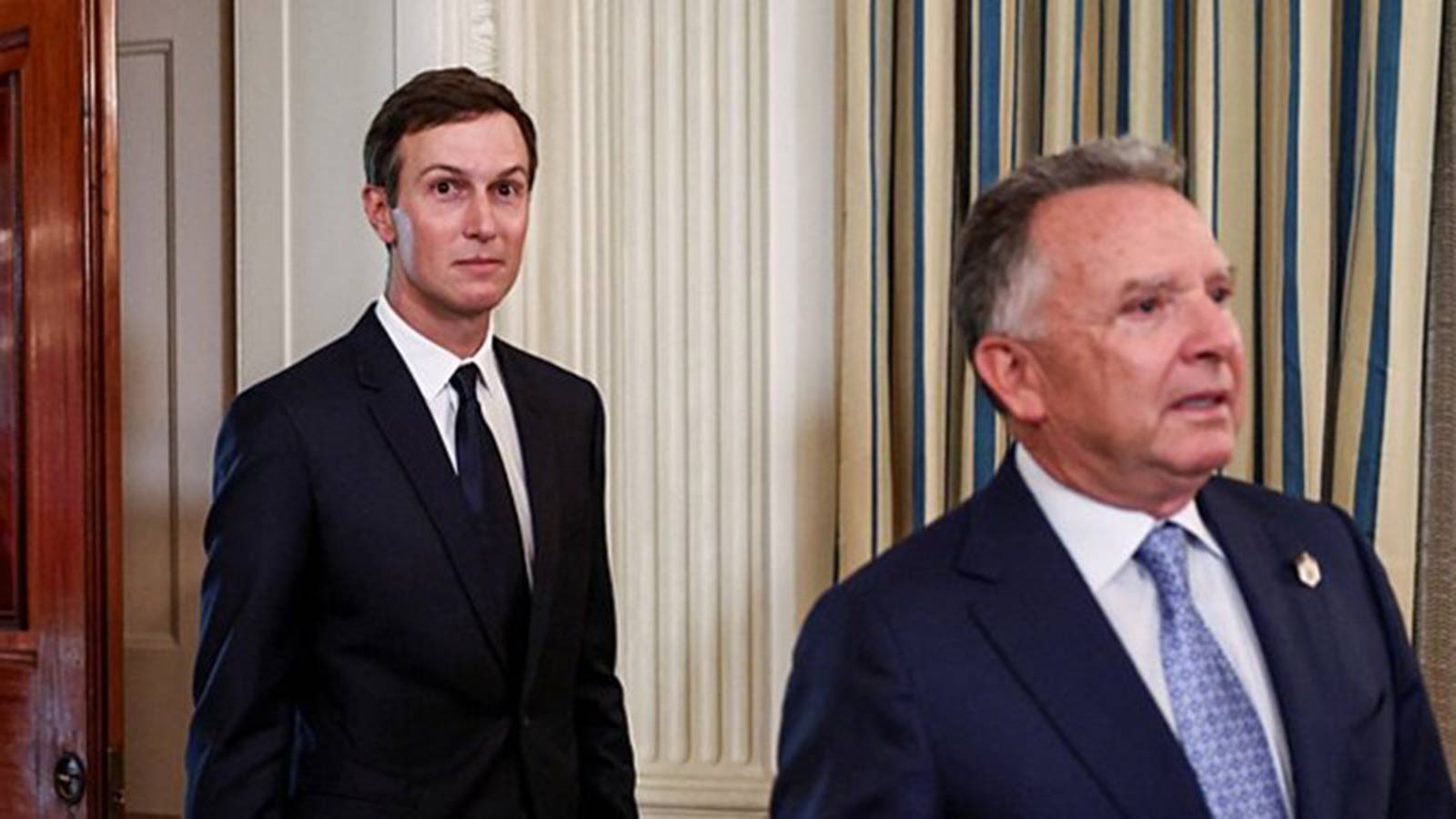
The Middle East, a region often caught between tension and negotiation, has once again become the focus of global attention. On October 4, 2025, two prominent envoys associated with $1 Donald Trump—real estate developer Steven Witkoff and Trump’s son-in-law Jared Kushner—arrived in Egypt. Their mission: to facilitate discussions around the release of hostages, a matter that has both humanitarian and geopolitical significance.
The Envoys: Steven Witkoff and Jared Kushner
Steven Witkoff, a seasoned real estate executive, is better known for his role in high-profile property deals than for diplomacy. Yet his recent involvement underscores the Trump circle’s continued engagement in international affairs, even after leaving the White House. Alongside him is Jared Kushner, whose tenure as a senior advisor during Trump’s presidency was marked by ambitious Middle East initiatives, including the Abraham Accords. Kushner’s experience in high-pressure negotiations and his network of contacts in the region bring added weight to this mission.
Why Egypt? The Country’s Role as a Mediator
Egypt has long played a critical role in brokering negotiations between opposing sides in Middle Eastern conflicts. Its geographic position and longstanding relationships with both Western and regional powers make Cairo a logical venue for sensitive discussions. According to Al Arabiya, the talks in question focus on the release of hostages—a perennial challenge that tests the resolve and ingenuity of all involved parties.
Egypt’s government has a track record of successful mediation, from Palestinian-Israeli ceasefires to facilitating prisoner exchanges. The arrival of high-profile envoys like Witkoff and Kushner signals the seriousness with which this latest round of negotiations is being treated. While official details remain tightly controlled, the mere presence of these figures in Cairo has sparked a wave of speculation about the prospects for a breakthrough.
The Hostage Crisis: Humanitarian Stakes and Political Realities
Hostage situations in the Middle East are tragically familiar, often involving civilians caught in the crossfire of larger political disputes. The identities and affiliations of the hostages in question have not been disclosed, in keeping with standard practice to protect their safety and the integrity of negotiations. However, the urgency is clear. Families wait anxiously for news, while governments and mediators work behind closed doors to reach agreements that are both practical and politically palatable.
The involvement of American envoys introduces another layer of complexity. The U.S. has historically played a dual role in the region—as both a security partner and a diplomatic broker. In this case, Witkoff and Kushner are acting in a private capacity, but their ties to the $1 and ongoing influence in Republican foreign policy circles cannot be ignored.
Diplomacy Beyond Official Channels
This mission also highlights a growing trend: the use of informal diplomatic channels to address intractable issues. Former officials, business leaders, and private intermediaries are increasingly called upon to supplement, or sometimes circumvent, official statecraft. In an era where traditional diplomacy can stall under the weight of protocol and politics, such informal interventions can break deadlocks—or at least open new lines of communication.
Kushner’s previous success with the Abraham Accords—normalizing relations between Israel and several Arab states—was itself an example of unconventional diplomacy. Now, with Witkoff at his side, he aims to leverage personal relationships and behind-the-scenes negotiations to secure the release of hostages. Whether these efforts will bear fruit remains uncertain, but the stakes could hardly be higher.
Regional and International Reactions
The presence of Trump’s envoys in Cairo has drawn attention from regional media and international observers alike. According to Reuters, Egyptian officials are cautiously optimistic about the prospects for progress. However, they acknowledge the complexity of the situation and the multiple interests at play.
Other governments in the region, including Israel and the Palestinian territories, are monitoring the talks closely. Hostage situations often serve as flashpoints for broader political movements, and any resolution could have ripple effects across the region. The involvement of American intermediaries may also influence the broader U.S. approach to Middle Eastern diplomacy in the run-up to the 2026 U.S. elections.
What’s Next?
As negotiations continue behind closed doors, the world watches and waits. The outcome of these talks could set a precedent for future interventions—demonstrating whether private envoys with deep regional ties can achieve what official diplomacy sometimes cannot.
For now, the fate of the hostages hangs in the balance. Their families, and the broader international community, hope that this latest diplomatic effort will lead to their safe return.
Assessment: The arrival of Steven Witkoff and Jared Kushner in Egypt underscores the evolving nature of diplomacy in the 21st century, where private actors and former officials increasingly play pivotal roles in resolving high-stakes crises. While the details of the negotiations remain confidential, their presence is a reminder that intractable problems sometimes require unconventional solutions—and that the line between public and private diplomacy is growing ever thinner.