


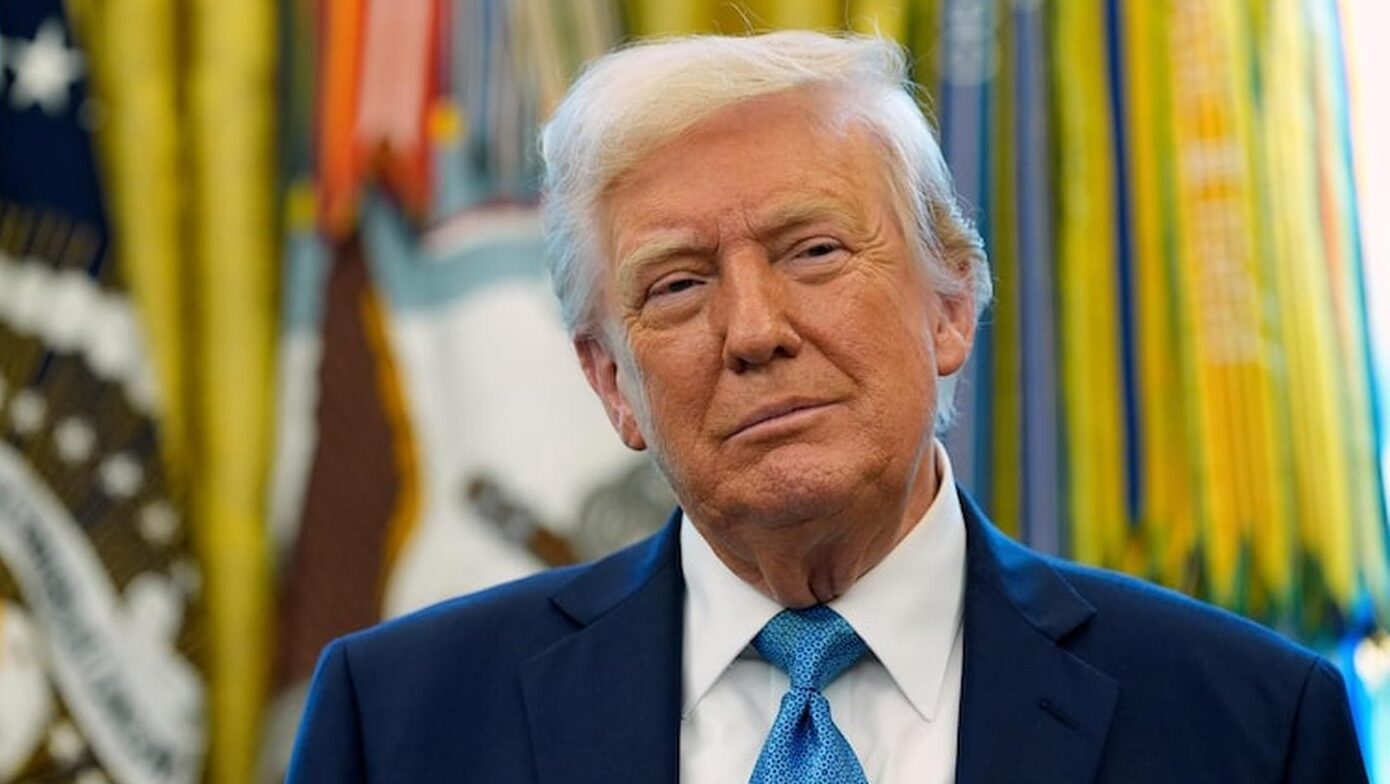
The mandate follows a social media poll conducted by the president on his Truth Social platform, where followers chose “Super Intelligence” over “Superior Intelligence.” Trump announced the linguistic shift at the United Nations General Assembly before formalizing the policy during a White House lunch with major tech leaders, where he signed the executive directive, as reported by DW.
Industry Response and Scientific Reality
The tech industry and academic community have largely rejected the premise of the rebrand. Computer scientists point out that the term artificial intelligence, coined at a 1956 Dartmouth College workshop, simply distinguishes human-made processing from natural cognition. Researchers warn that current models are years away from true machine superintelligence—a milestone defined by systems capable of outperforming humans across all domains.
“Most AI is not superintelligence — it’s just different intelligence,” Pedro Domingos, a computer science professor from the University of Washington, told DW. “AI is doing different things from what humans do, so calling it superintelligence is misleading.”
Despite the pushback from experts, major US artificial intelligence labs may benefit from marketing terminology that plays up advanced capabilities. Global spending on the sector is projected to surpass $1 trillion, and US developers face intensifying competition from Chinese models operating with less computing power.
Political Fallout and Public Skepticism
The rebrand arrives as public unease regarding advanced technology continues to rise. A Quinnipiac University poll showed that only 25% of respondents approve of Trump’s handling of the technology, with 58% disapproving—lower than his ratings on the economy or foreign policy CNBC. Separate surveys indicate that nearly nine in 10 Americans harbor concerns about automated systems surpassing human control.
Legislative friction is also mounting in Congress. Independent Senator Bernie Sanders recently co-introduced a bill seeking to permanently ban the development of artificial superintelligence that humans cannot control, alongside calls for a formal pause on advanced testing until federal oversight is established DW.
While the White House argues that the executive order unites top innovators behind national interests, independent experts predict that federal agencies and academic researchers will largely continue using established scientific terminology.