


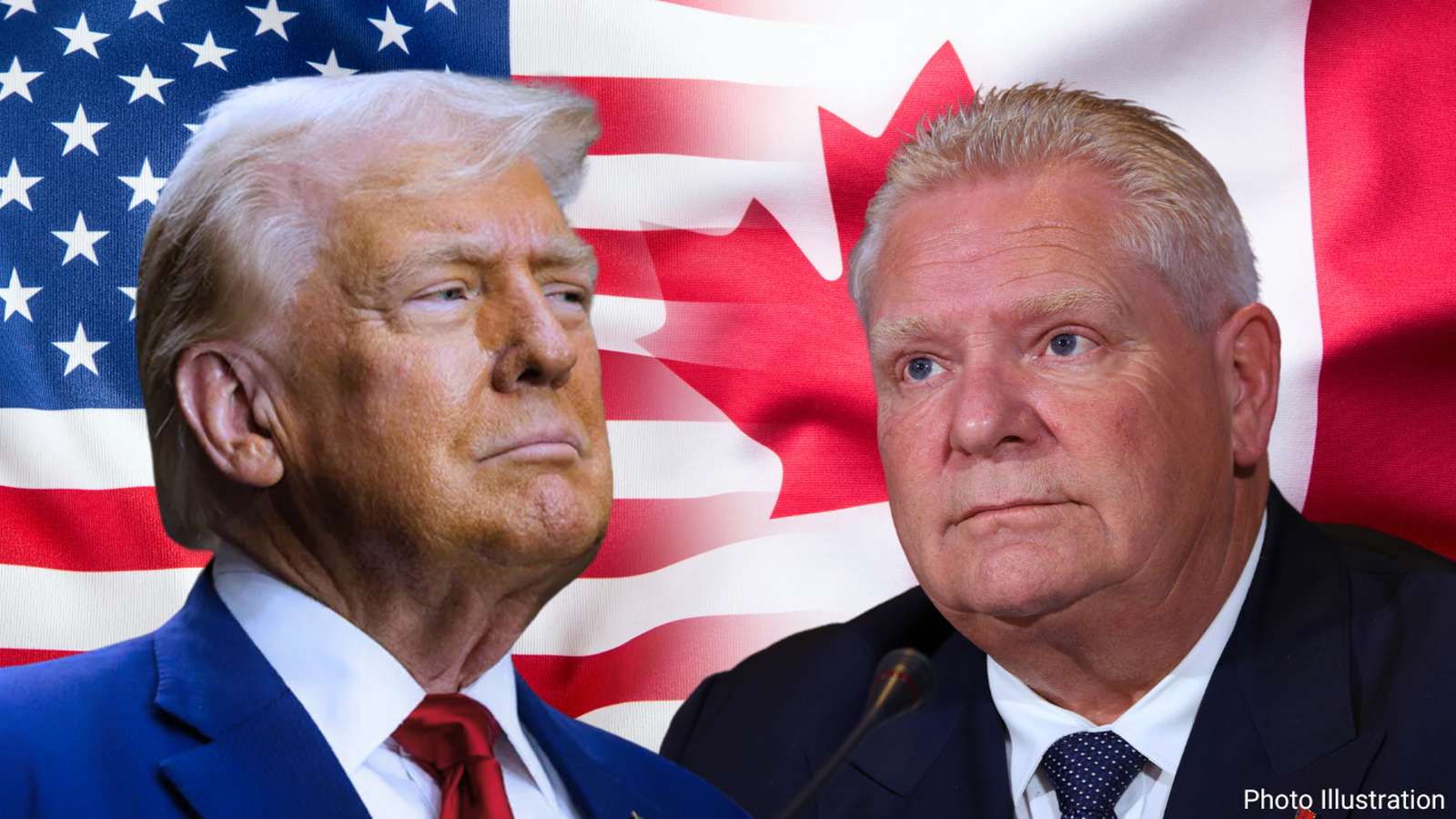
A Symbolic Shift in Trade Tensions
President Donald Trump announced on Tuesday that his administration is “seriously considering” renaming Lake Ontario to “Lake America.” The proposal, shared via social media, comes as the United States and Canada find themselves locked in an intensifying tit-for-tat tariff war that has jeopardized long-standing cross-border economic ties.
The president’s announcement was accompanied by a digital map featuring the label “Lake America” written in gold letters, signaling a departure from the traditional cartographic name. The move is explicitly linked to the collapse of trade negotiations, with Trump stating, “we don’t expect to be doing much business with Ontario any longer.”
Economic Stakes and Retaliation
The suggestion of a name change coincides with significant economic friction. Last Saturday, new 50% U.S. tariffs on approximately $20 billion worth of Canadian imports took effect following failed talks. In response, Canadian Finance Minister François-Philippe Champagne confirmed that Canada would implement matching dollar-for-dollar retaliatory tariffs on roughly $20 billion in U.S. imports, set to take effect on September 8. These measures are expected to impact approximately 700 American products.
Canadian officials have largely declined to engage with the rhetoric surrounding the name change. Dominic LeBlanc, Canada’s Minister for Canada-US Trade, noted that the federal government had decided months ago to ignore the daily social media posts from the U.S. administration, focusing instead on internal economic stabilization and a multi-billion-dollar support package for domestic farmers and businesses.
Historical and Geographical Context
Experts point out that the name “Ontario” is an anglicization of an Iroquoian word meaning “great water” or “big shining lake,” predating the Canadian province by centuries. Dr. Daniel Macfarlane, a researcher of U.S.-Canada border waters, emphasized that the lake’s geography and population centers are overwhelmingly Canadian. “The Canadian side of Lake Ontario just dwarfs the New York side in terms of population,” Macfarlane stated. He added that the lake remains a critical site for ongoing environmental concerns, noting that water quality agreements remain largely unmet by both nations.
Local leadership in Rochester, New York—the largest U.S. city on the lake—has dismissed the proposal. Mayor Malik Evans characterized the initiative as a “publicity stunt” intended to distract from the real-world economic consequences of the tariffs, which are currently impacting middle-class consumers and small business owners on both sides of the border.