


Judicial Intervention in Singapore
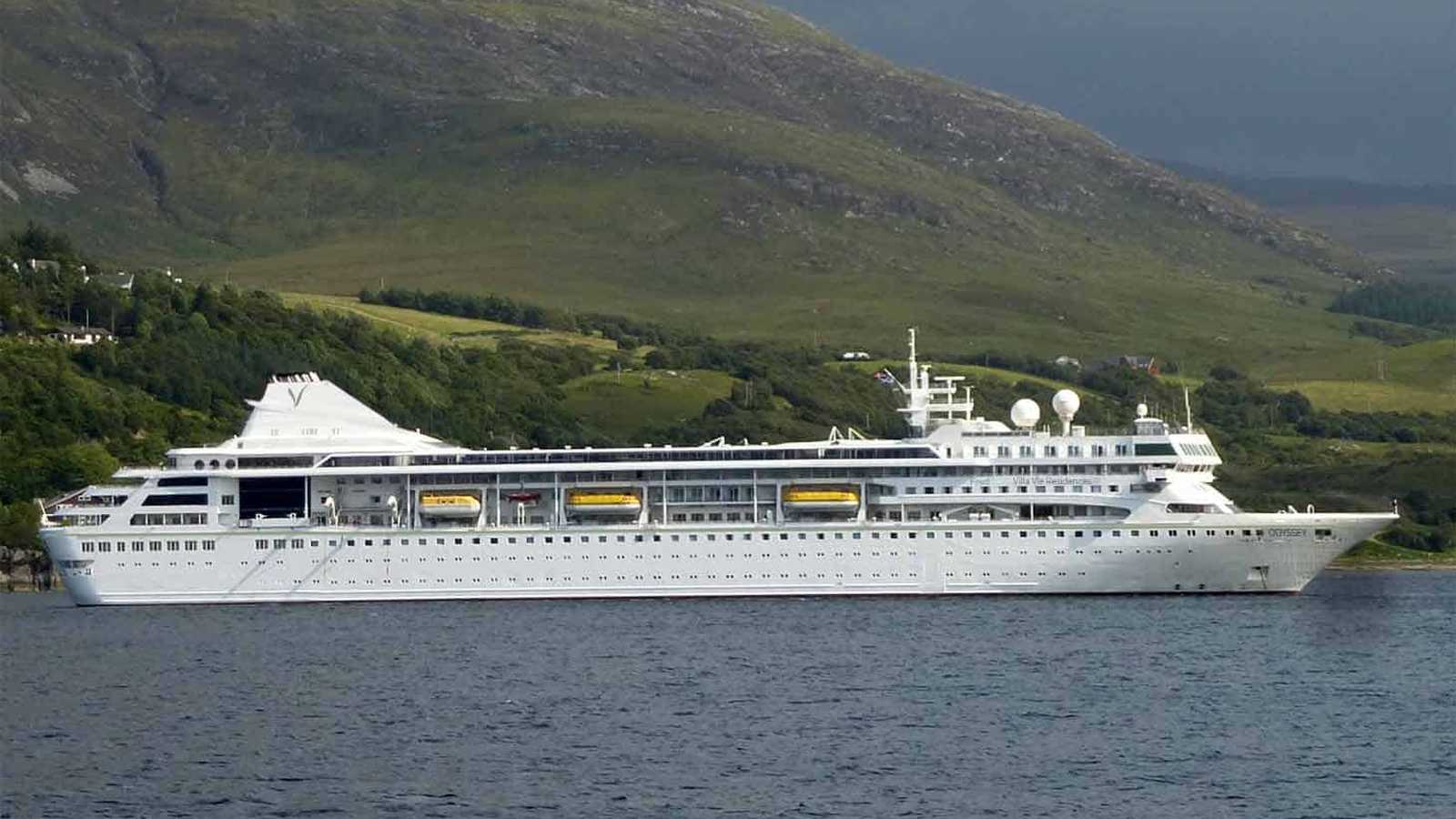
The 33-year-old cruise vessel Villa Vie Odyssey was formally arrested in Singapore on November 8, 2026, at 10:34 a.m. local time, according to official court records from the Singapore Courts’ list of arrested vessels. This legal action, carried out under established maritime law, functions as a formal court order that effectively locks the ship in port until outstanding financial claims and significant debts are fully resolved. The arrest was requested by the Singapore-based law firm Helmsman LLC, though the firm has not publicly identified the specific client it represents. A source familiar with the proceedings indicated to CBS News that the action is likely linked to a fuel supplier seeking to recover unpaid operational costs. The vessel is currently anchored in Singaporean port waters, with its status monitored by the local sheriff’s office.
The impoundment marks the latest, and perhaps final, phase in the rapid and chaotic dissolution of the “forever cruise” project originally operated by Villa Vie Residences. The vessel is currently under the control of its lender, having been forcibly moved from Cambodia following the abrupt and total suspension of all operations on October 27, 2026. At that time, more than 200 residents were ordered to disembark in Sihanoukville with minimal notice, effectively terminating a high-cost residential model that had promised a permanent life at sea for investors who paid cabin rights ranging from approximately $140,000 to nearly $380,000. The ship, which can support up to 650 residents, now sits empty of passengers, staffed only by roughly 50 officers and crew members tasked with maintaining the vessel during this period of legal uncertainty.
Financial Insolvency and Rising Operational Costs
The total collapse of the venture has been largely attributed to severe liquidity issues stemming from surging fuel expenses that paralyzed the company’s ability to operate. Villa Vie Residences reported that monthly fuel costs per cabin increased from approximately $1,800 to as high as $8,000, a massive spike that the company explicitly linked to regional geopolitical instability and the broader conflict in the Middle East, which impacted fuel imports across Asia. Reports indicate the company currently owes at least one local supplier approximately $500,000 for fuel, a debt that remains a central factor in the current judicial intervention and the primary catalyst for the ship’s arrest.
The financial strain was evident months before the October shutdown, with several “red flags” alerting passengers and industry observers to the company’s precarious position. According to accounts from passengers, including those shared with NewsNation, the ship faced critical shortages as early as August 2026. During that period, while docked in Singapore, the vessel was unable to secure necessary fuel, forcing passengers to pool their own private funds to cover costs and allow the ship to resume sailing. These operational difficulties were exacerbated by a series of logistical failures, including the temporary detainment of the vessel in Hong Kong and a desperate scramble by the crew to secure food provisions as the company’s financial reserves were entirely depleted.
The situation was further compounded by a failed “fuel loan” program. Some residents, including Craig and Cindy Voight, reported investing significant capital—in their case $100,000—into a program that promised a 24% return to support fuel purchases. However, participants have alleged that these funds, which were described as unsecured loans, were never repaid. Mike Petterson, the executive chairman of Villa Vie Residences, acknowledged that financing for the loan program was arranged during an urgent period to support immediate operating needs, though he noted that existing financing restrictions prevented the company from borrowing directly, necessitating the use of the parent company, Residential Cruise Holdings.
Legal Stakes and Potential Auction
The legal status of the Villa Vie Odyssey now shifts entirely to the Singaporean court system. As the ship is being held under a court order, the primary objective for the creditors—including the fuel suppliers and the lender currently operating the vessel—is the recovery of their capital. If Villa Vie Residences fails to satisfy its outstanding liabilities, the court may move to authorize a judicial sale of the vessel. Such a sale would prioritize the repayment of secured lenders, suppliers, and crew wages, leaving individual passengers with little to no recourse for the significant capital invested in their cabin rights.
The potential for a judicial sale highlights the severe financial insolvency of the project, with the court-ordered arrest serving as the final barrier to creditors attempting to recover their losses. According to the Maritime and Port Authority of Singapore, the crew currently on board remains under the welfare management of the vessel’s creditors. While there have been multiple resident-led efforts to reclaim the ship—including one group attempting to buy the vessel at a future auction—the reality remains that the ship is now collateral for massive unpaid debts. Petterson has expressed a desire to see the ship return to service under new ownership, or potentially through a Chapter 11 bankruptcy filing, but he has signaled his intent to step away from company leadership. As the judicial process continues, the future of the Odyssey rests on the ability of the owner to secure emergency funding or the eventual liquidation of the asset through the courts, which could ultimately lead to the ship being sold or even sent for scrapping.
The End of the Residential Cruise Model
The failure of the Villa Vie Odyssey serves as a case study in the risks associated with the residential cruise model. The project, which launched in October 2024 with a voyage from Belfast, promised a life of luxury and permanence that quickly dissolved under the weight of mounting global economic pressures. The transition from a promising lifestyle investment to a seized, empty vessel in a Singaporean anchorage underscores the fragility of operations that rely heavily on consistent cash flow and stable global fuel prices. With no clear pathway for the passengers to recover their investments, and with the vessel now firmly in the hands of the courts, the Odyssey stands as a cautionary example of how quickly such ambitious maritime ventures can collapse when financial reserves fail to match operational demands.