


Construction and Operational Timeline
The Singapore Immigration and Checkpoints Authority (ICA) has announced that departure car zones at the Tuas Checkpoint will undergo phased closures starting September 1, 2026. These disruptions are necessary to facilitate the construction of the new Automated Passenger Clearance System (APCS), a major infrastructure project scheduled to continue through late 2027.
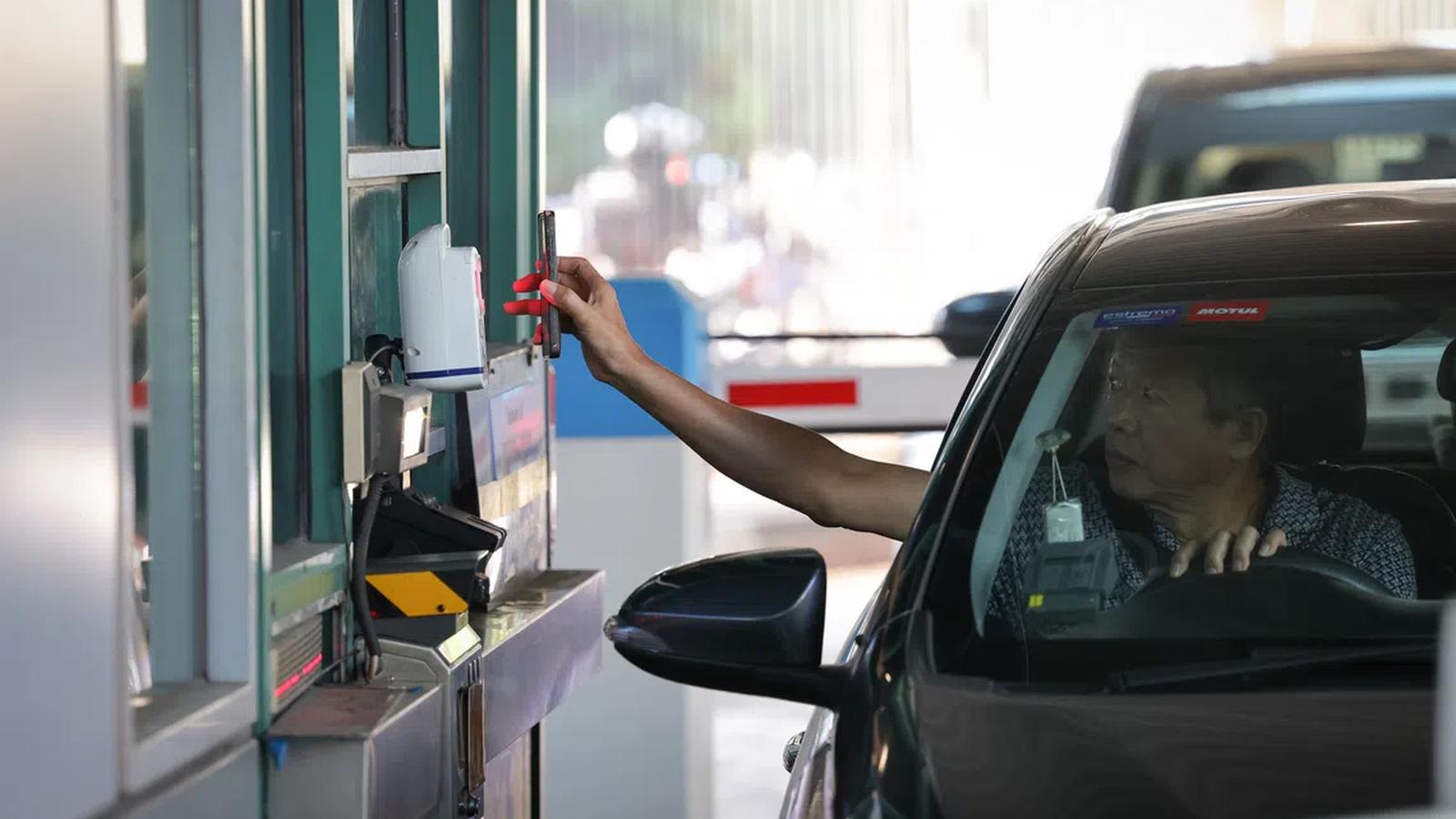
The project involves the systematic removal of traditional manual immigration counters currently staffed by ICA officers. These are to be replaced by automated lanes designed to streamline the movement of cross-border traffic. According to official statements, the construction work will be executed in phases to minimize the impact on daily travelers, though drivers should anticipate potential bottlenecks during peak hours.
This report draws on information published by straitstimes.com and sg.news.yahoo.com.
The Shift to Biometric Automation
The APCS represents a significant shift in Singapore’s border management strategy. By utilizing a combination of QR code technology and biometric verification, the system allows drivers and passengers to complete immigration clearance without exiting their vehicles. This model, which was successfully piloted at Changi Airport in 2024, is now being adapted for the unique demands of high-volume land checkpoints.
Senior Minister K. Shanmugam previously indicated that the technology is intended to be implemented across all land checkpoints. Once fully operational at Tuas in early 2027, the system is expected to significantly increase throughput capacity. A unique feature of the new lanes is their flexibility; they can be reconfigured to clear up to two motorcycles simultaneously, providing operational agility during periods of high motorcycle traffic.
Traveler Guidance and Expectations
The ICA has urged travelers to prepare for the transition by familiarizing themselves with the new clearance methods. Signage, road markers, and temporary hoardings have been installed to assist with navigation through the construction zones. The authority also strongly encourages travelers to use QR codes for immigration, which is currently the fastest method for processing at land checkpoints.
With 245 million travelers processed in 2025—a record high for the agency—the automation push is framed as a critical step in managing future demand. While the construction phase may cause temporary inconvenience, the long-term goal remains a more seamless, passport-free travel experience that reduces the manual burden on border personnel.