


Clarifying Operational Status
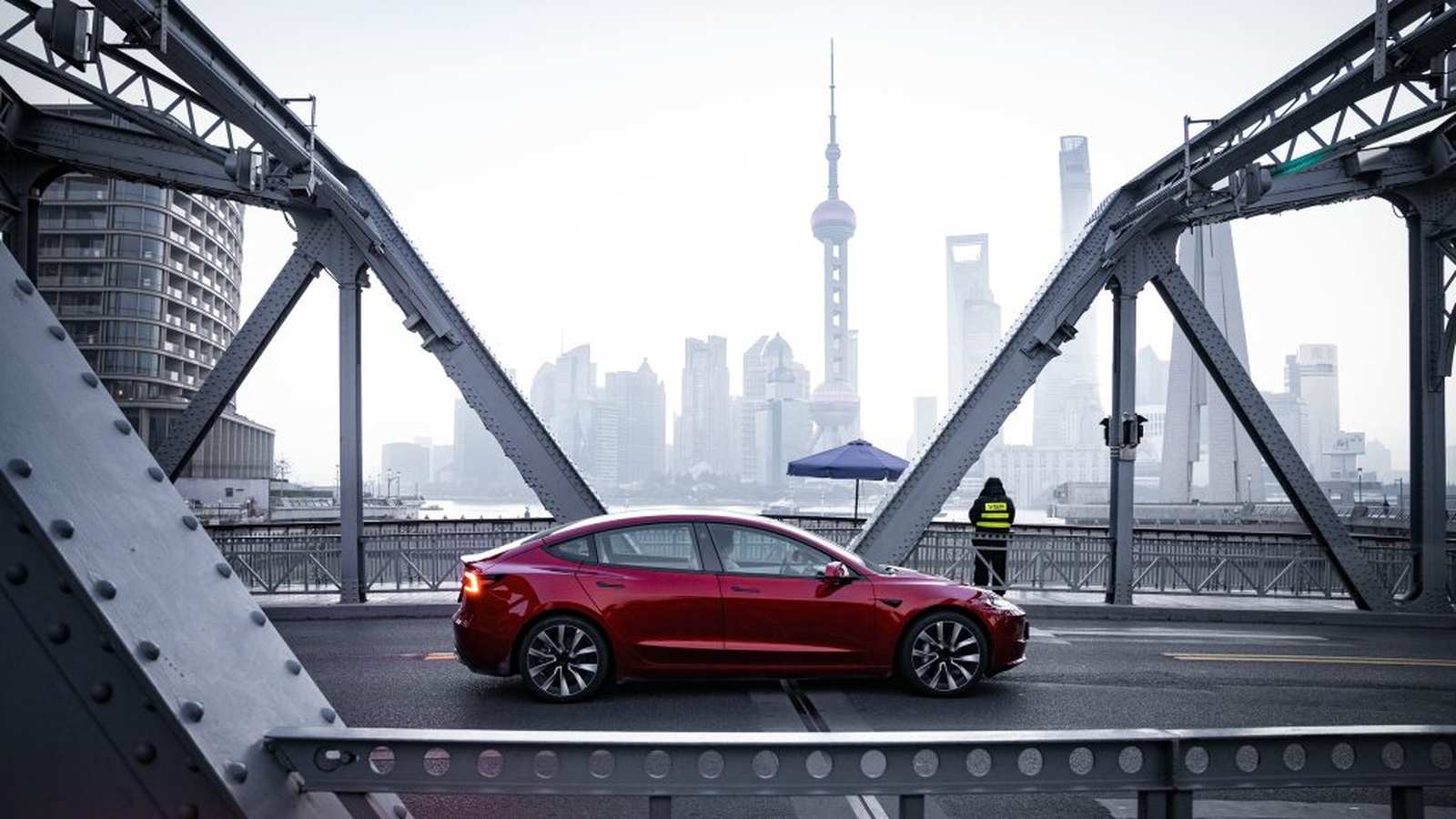
Tesla China has formally denied reports that its Shanghai-based data center, established to support the rollout of Full Self-Driving (FSD) Supervised, has been vacated. The company addressed the speculation on Wednesday, August 26, 2026, confirming that the facility is operating normally and that it has reported the origins of the rumors to local authorities.
The denial follows widespread online speculation that Tesla had abandoned its infrastructure and eliminated liaison teams tasked with bringing autonomous driving features to the Chinese market. Tesla China emphasized that recruitment for driver-assistance roles is currently accelerating, signaling an intent to maintain, rather than retreat from, its development trajectory in the region.
The Gap Between Availability and Access
Despite the company’s commitment to its infrastructure, the timeline for a full FSD Supervised rollout in China remains opaque. While Tesla’s global website continues to list China as a market where the software can be used, it is notably absent from the company’s official list of regions where FSD subscriptions are currently available. This discrepancy has fueled ongoing questions about the product’s regulatory status and functional scope.
Tesla’s Chinese operations have taken a cautious approach to nomenclature, rebranding the suite as “Tesla Assisted Driving” on its local portal while maintaining that the full feature set will be available at a later date. Tesla Global Vice President Grace Tao stated in February that the company is actively participating in the development of automated driving assistance within the country, utilizing training data tailored to local road conditions.
Competitive Stakes and Regulatory Hurdles
The urgency surrounding Tesla’s FSD deployment in China is driven by intense competition from local manufacturers. Domestic rivals such as Xiaomi and Huawei have rapidly expanded their urban driver-assistance capabilities, placing pressure on Tesla to maintain its technological edge. During the company’s Q1 2026 earnings call on April 23, Tesla’s Chief Financial Officer noted that the firm is working closely with Chinese regulatory authorities, with a stated goal of securing comprehensive approval for FSD by the third quarter of 2026.
As Tesla navigates these regulatory requirements, the broader company continues to invest in hardware infrastructure elsewhere. In the United States, a new battery cathode facility at its Austin Gigafactory has entered operation, aimed at supporting the production of the 4680 cell—a key component for the upcoming Cybercab, the Tesla Semi, and the Model Y. While this investment highlights Tesla’s focus on vertical integration, the China market remains a critical, yet unresolved, piece of its global autonomous strategy.