

Quick Read
- Govia Thameslink Railway (GTR) transitioned to public ownership on May 31, 2026.
- The government now manages 80% of all passenger rail journeys in Britain.
- A 100-day plan includes hiring new drivers and installing better security measures.
- Full nationalization of the UK rail network is scheduled for completion by the end of 2027.
A Strategic Shift in Rail Governance
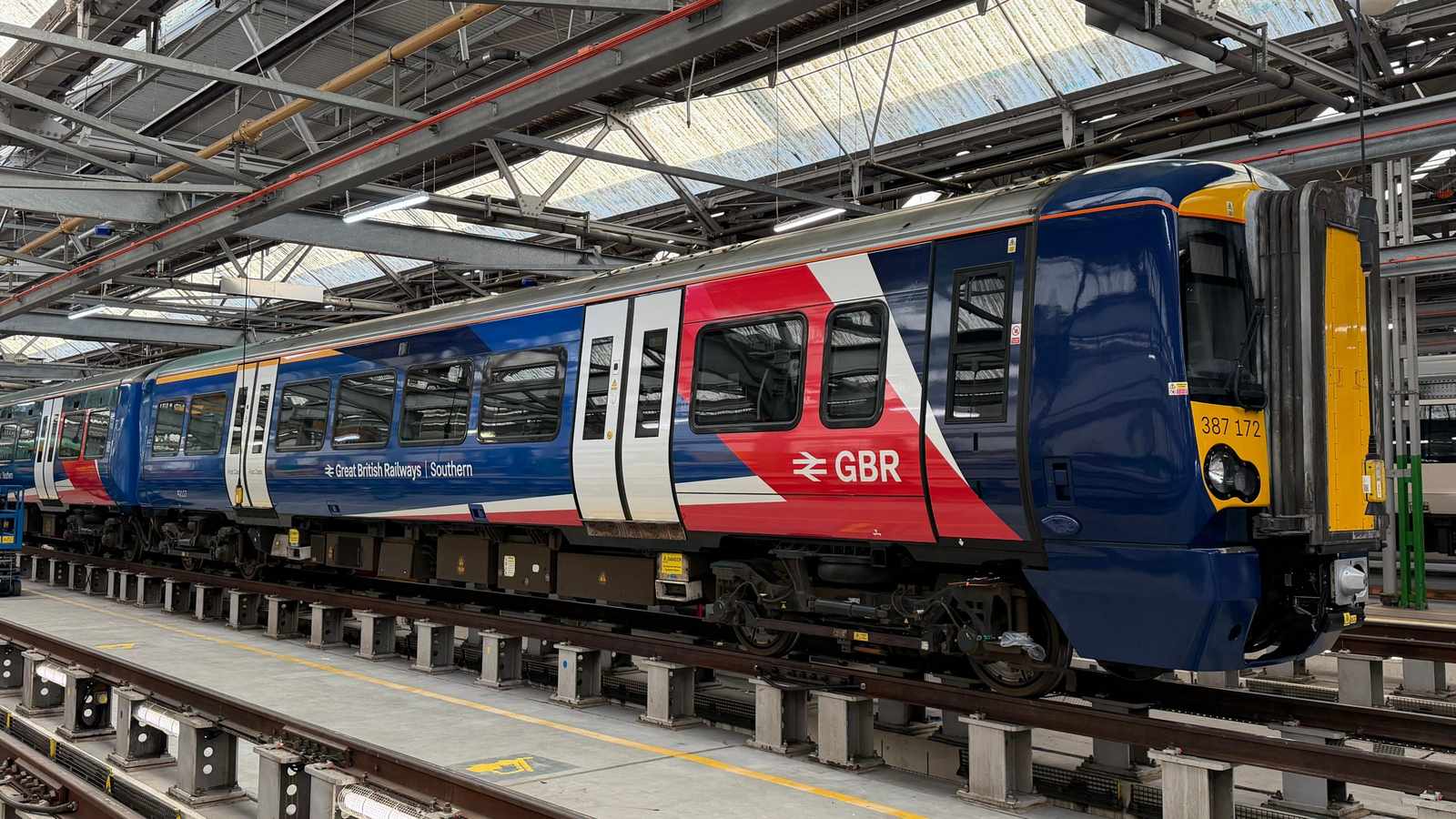
As of Sunday, May 31, 2026, Govia Thameslink Railway (GTR) has officially transferred into public ownership. This transition represents the most significant expansion of state-managed rail services in the United Kingdom to date, bringing Thameslink, Southern, Great Northern, and Gatwick Express under the direct control of the Department for Transport (DfT) Operator Limited. This move is a cornerstone of the government’s broader strategy to establish Great British Railways (GBR), an integrated body designed to oversee the entire network.
Quantifying the Impact on Operations
GTR serves as a vital artery for the South East of England, accounting for one in six passenger rail journeys in Britain. The scale of this transition is immense, as the government now manages approximately 80% of all passenger rail journeys. Transport Secretary Heidi Alexander emphasized that the objective is to shift the operational philosophy from private profit to public service. A 100-day improvement plan has been implemented, focusing on immediate service reliability, including the recruitment of over 100 new drivers to mitigate persistent cancellation issues and the deployment of 110 Travel Safe Officers to enhance security.
Infrastructure and Future Integration
Beyond administrative changes, the transition facilitates deeper operational integration with Network Rail. Significant capital projects, such as signaling upgrades between Farringdon and Blackfriars, are projected to prevent over 1,000 cancellations annually. Furthermore, the network is expanding, with new services at Cambridge South station scheduled for June 28. These initiatives are part of a broader trend where publicly owned operators, including Greater Anglia and c2c, have consistently demonstrated superior performance metrics regarding punctuality and reliability compared to their private predecessors.
The Trajectory of Renationalisation
The government’s roadmap for rail reform remains aggressive. With Chiltern Railways slated for transfer on September 20, 2026, and Great Western Railway following in December, the DfT expects to complete the full renationalization program by the end of 2027. This systematic approach aims to stabilize a fragmented network by centralizing accountability. As the UK moves toward the full realization of GBR, the success of this transition will be measured not only by operational performance and fare stability but by the ability to restore public trust in a system that has faced decades of criticism regarding reliability and cost-efficiency.
The transition of GTR to public ownership signifies a definitive pivot in UK transport policy, prioritizing long-term systemic stability over short-term private gains. By consolidating the majority of passenger rail operations under DfT control, the government is creating a unified framework that allows for more flexible resource allocation and standardized service levels. While the immediate focus remains on addressing ‘bread and butter’ issues like cancellations and security, the long-term success of this policy will depend on the government’s ability to maintain high service standards across a vast, aging infrastructure while managing the fiscal demands of a fully integrated national rail network.