


Investigation Findings and Engine Exoneration
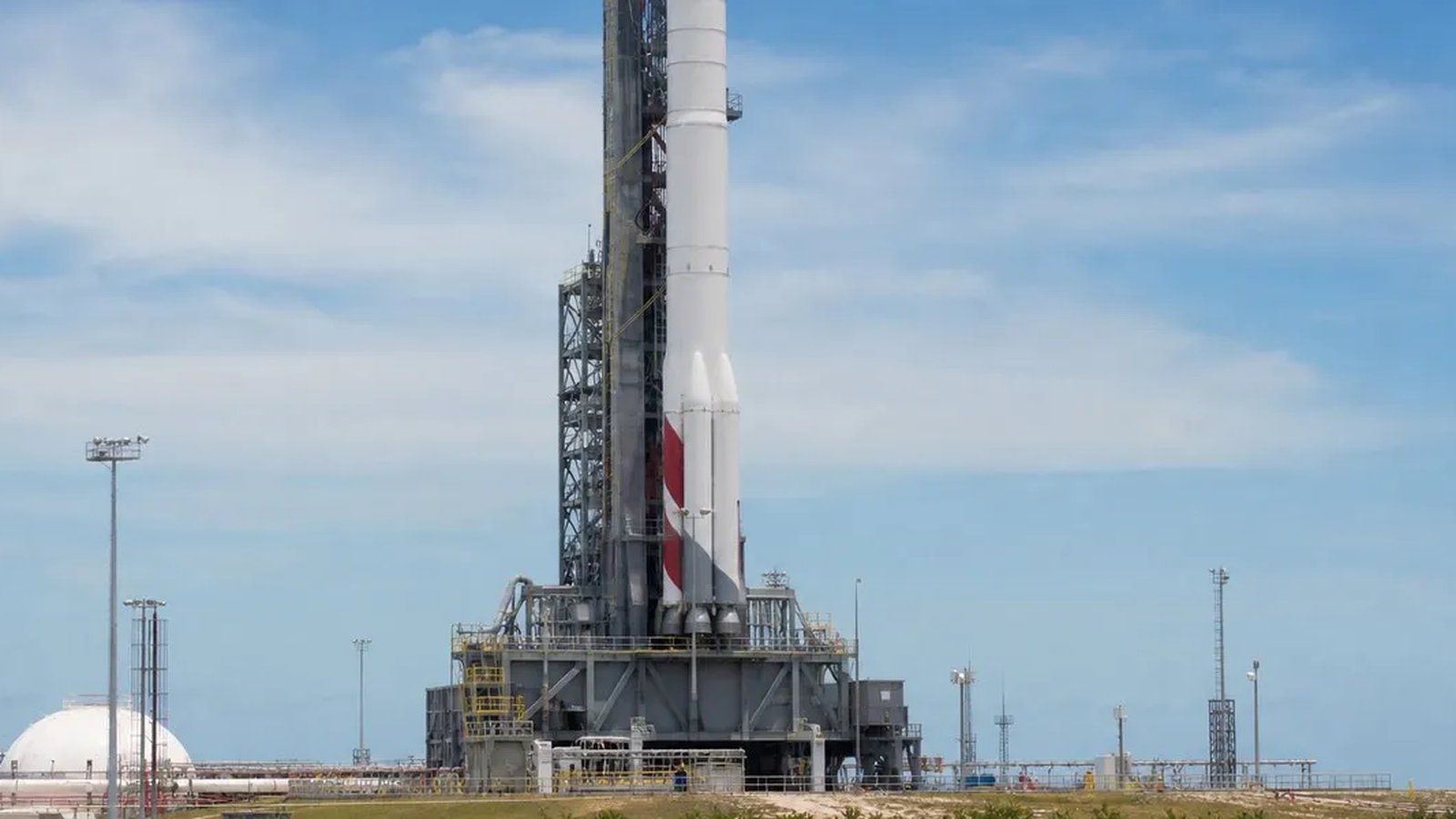
United Launch Alliance (ULA) announced on November 18, 2026, that the failure of its Vulcan rocket during a mission on November 15, 2026, was caused by inadequate fuel supply to the vehicle’s first-stage engines. Following an initial integrated review of flight data from the Leo 1 mission, ULA clarified that the insufficient thrust was not attributable to the performance of the BE-4 engines, which are manufactured by Blue Origin. This finding serves as a critical exoneration for Blue Origin, shielding the engine manufacturer from mechanical scrutiny following previous developmental challenges associated with the New Glenn rocket program.
The mission, which launched from Cape Canaveral Space Force Station, was intended to deploy 40 Amazon Leo satellites. However, the rocket failed to achieve the necessary altitude and velocity for orbital insertion after suffering low booster thrust. ULA stated that while the investigation remains ongoing, the current evidence points to a failure in the vehicle-side hardware responsible for delivering fuel to the engines, rather than a failure within the engines themselves. As reported by Ars Technica, this distinction is significant for the U.S. aerospace sector, as it confirms that recent engine retrofits—implemented after a May ground-test failure of the New Glenn rocket—were not implicated in the Vulcan anomaly.
Impact on the Vulcan Program and Partners
The loss of the 40 satellites represents a major setback for the Vulcan program, which is currently positioning itself as the primary successor to the Atlas V and Delta IV heavy-lift vehicles. This flight marked the fifth mission for the Vulcan platform and its first complete failure. In previous missions, ULA had navigated concerns regarding the performance of the solid rocket boosters (SRBs) produced by Northrop Grumman, specifically regarding nozzle integrity. However, ULA confirmed that the SRBs operated as designed during this most recent flight, successfully separating from the main booster before the propulsion anomaly occurred.
The exoneration of the BE-4 engines provides a measure of stability for Blue Origin, which relies on the power plant for its own heavy-lift ambitions. According to the Orlando Sentinel, Blue Origin worked in tandem with ULA to verify the flight data, confirming that the fuel flow management—specifically the pipelines delivering liquid oxygen and methane—is the primary focus of the ongoing investigation. The Centaur V upper stage, which is also slated for use in NASA’s Space Launch System (SLS) moon missions, has been cleared of any contribution to the accident, limiting the scope of the current failure analysis to the first-stage booster systems.
Institutional Stakes and Next Steps
With the investigation now focused on fuel line management and vehicle-side plumbing, ULA and its partners must determine whether the anomaly was a result of a design flaw or a manufacturing defect within the booster stage. This distinction is vital for determining the timeline for a return-to-flight. The Federal Aviation Administration (FAA) is expected to oversee the investigation process, ensuring that all safety protocols are met before the Vulcan platform is cleared for future launches. For Blue Origin, the confirmation that the BE-4 engines were not the source of the failure allows the company to maintain its current testing schedule for the New Glenn rocket, which has been aiming for a return-to-flight mission as early as January 2027.
The aerospace industry will continue to monitor the investigation for details on how the fuel delivery system failed to maintain consistent pressure to the engines. If the issue is found to be isolated to a specific component within the Vulcan booster’s fuel plumbing, it may allow for a relatively swift rectification process. However, if the root cause indicates a more complex systemic issue with the fuel management architecture, the timeline for future Vulcan launches could be subject to significant delays, affecting the deployment schedule for the Amazon Leo constellation.