


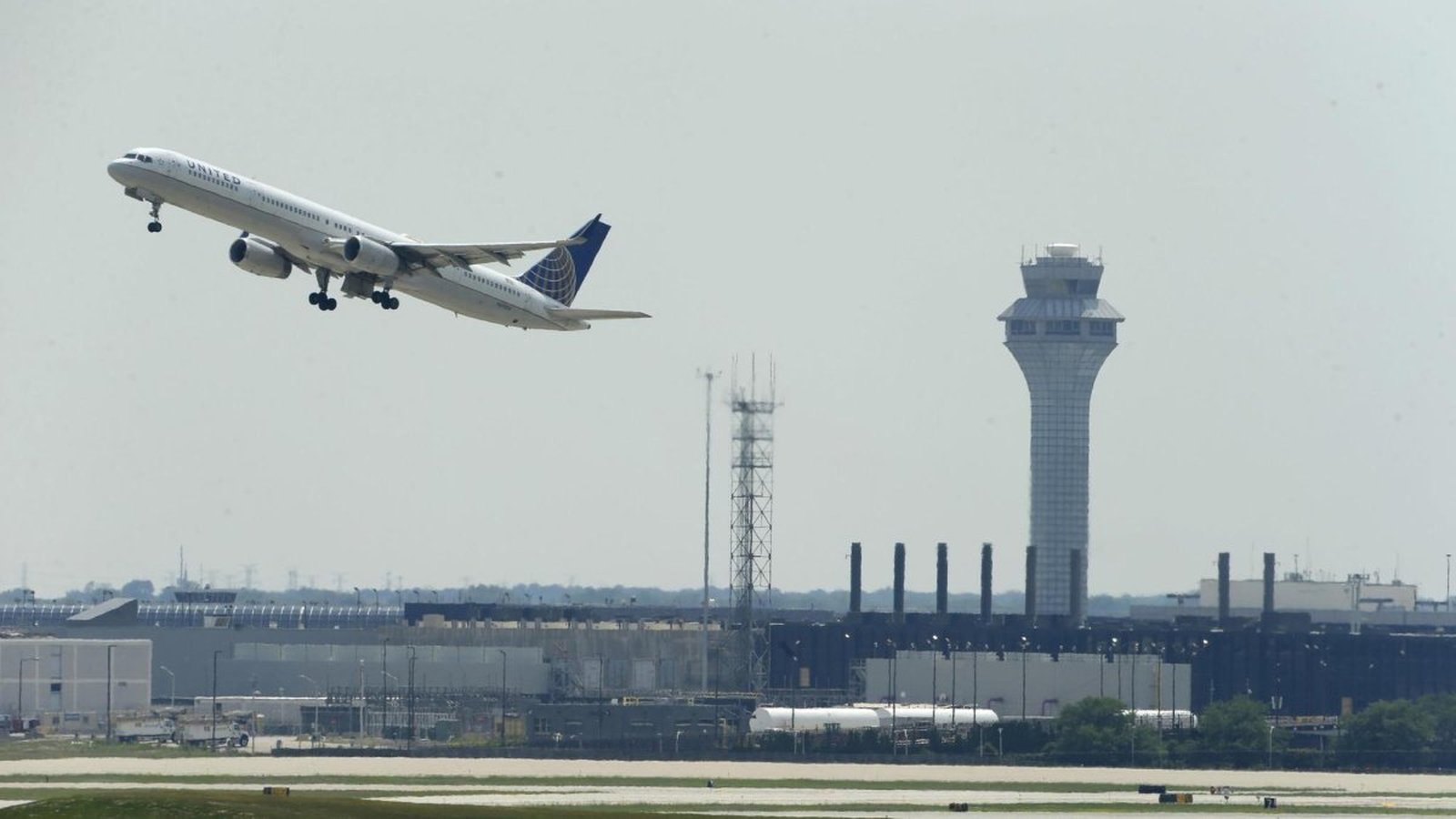
FAA-Mandated Flight Cuts Hit United Airlines Hard
The air travel landscape in the United States is facing one of its most significant disruptions in recent memory. United Airlines, along with other major carriers, is canceling hundreds of flights as the Federal Aviation Administration (FAA) orders reductions amid an ongoing government shutdown. The FAA’s directive—aimed at easing the burden on air traffic controllers working without pay—calls for up to a 10% reduction in flights at 40 of the nation’s busiest airports. For travelers, the ripple effects are already being felt, with delays and cancellations mounting as the busy Thanksgiving period approaches.
Friday marked the start of a 4% cut to scheduled flights, with United canceling 184 flights that day alone, followed by 168 on Saturday and 158 on Sunday. These numbers are set against United’s typical daily schedule of roughly 4,500 flights. According to NBC News, Transportation Secretary Sean Duffy has warned that if the shutdown persists, flight reductions could climb to 20%—a scenario that could leave tens of thousands more travelers stranded or re-routed.
Which Flights Are Being Canceled—and Which Are Protected?
United Airlines has sought to limit the impact of these cuts on customers by prioritizing certain routes. Regional and domestic flights that do not connect the airline’s seven major U.S. hubs are most at risk. In contrast, long-haul international flights and those operating between United’s hubs—Chicago O’Hare, Denver, Houston Intercontinental, Los Angeles, Newark Liberty, San Francisco, and Washington Dulles—will remain on schedule. The strategy, outlined on United’s website, is designed to maintain essential travel corridors and minimize disruption for as many passengers as possible.
Mike Hanna, United’s Senior Vice President of Airport Operations, explained that the airline is using a “cancel analyzer” tool to determine which flights can be cut with the least impact on customers. This system weighs factors like passenger loads, crew schedules, and connections to ensure that cancellations do not cascade into further disruption. “We want to make sure it’s impacting the least number of customers and the crews, because sometimes if you impact the crews, you may have a subsequent cancellation,” Hanna told NBC News. “So, we’re very focused on our domestic line, both main line and express, and ensuring the least amount of disruption to customers.”
Staffing Shortages and Airport Delays Compound the Challenge
The underlying issue driving these flight cuts is a severe shortage of air traffic controllers and other essential staff, many of whom are working without pay due to the government shutdown. Airports in major cities—San Francisco, Atlanta, Austin, Los Angeles, Phoenix, and particularly Newark and Reagan National in D.C.—have reported staffing “triggers,” meaning they cannot maintain regular schedules. At some locations, delays stretch from 15 minutes to over two hours, with ground stops issued at busy hubs like San Francisco International.
These staffing shortages are not just a short-term problem. Even if the shutdown ends immediately, the FAA and Department of Transportation warn that it will take days, if not weeks, for operations to return to normal. Air traffic controllers will need time to return, and airlines must rebuild their schedules. “If the government opens on Day One, will I see an immediate response from controllers? No,” Transportation Secretary Duffy said on CNN. “The union is telling me it’s going to take time to get them all back in.”
Customer Support and Rebooking Efforts
United Airlines, along with other carriers, is striving to keep travelers informed and supported. Passengers whose flights are affected receive notifications via the United app, website, and direct push messages. The airline is offering full refunds—even for non-refundable tickets—and rebooking options. According to United, 81% of customers whose flights were canceled today were rebooked prior to departure, and 59% made it to their destination within four hours of their original flight time.
Delta and American Airlines have adopted similar policies, providing travel waivers and allowing penalty-free changes or cancellations for flights impacted by the FAA’s order. Airlines for America (A4A), the industry’s trade association, stressed that safety remains the top priority and called on Congress to urgently resolve the shutdown to restore normal operations.
The Human Cost: Frustration, Uncertainty, and Holiday Worries
For travelers, the impact goes beyond inconvenience. Many are worried about missing family gatherings during the Thanksgiving rush, while others express frustration at the “political” nature of the shutdown. “I think the government is playing with people’s lives,” one passenger told NBC News. Air traffic controllers themselves face mounting personal challenges, with hundreds reportedly taking on side jobs to make ends meet—a situation that adds to fatigue and concern, though union leaders maintain that safety standards are being upheld.
Behind the scenes, the shutdown has also affected support roles such as National Weather Service staff and cybersecurity units, further stretching the system’s resilience. As flights are cut to address overworked employees, delays are not limited to travel—they also affect the shipment of packages, medications, and other goods moved by air.
Looking Ahead: What Passengers Should Do
With the situation evolving daily, travelers are urged to check flight statuses regularly and stay in close contact with their airlines. The Department of Transportation has mandated that all airlines must issue full refunds to customers affected by cancellations. United and other carriers are proactively notifying passengers, offering rebooking options, and working to reaccommodate those disrupted by the cuts.
As the reductions move from 4% to an anticipated 10% by next week, it’s clear that air travel will remain unpredictable until the government reopens and staffing levels recover. United’s approach—protecting essential routes, leveraging smart scheduling tools, and providing customer support—offers some relief, but the overall picture is one of uncertainty.
These FAA-mandated reductions reveal a fragile equilibrium in the nation’s air travel system, where safety and reliability hinge on the stability of government operations. United Airlines’ measured response underscores the complexity of balancing customer needs, operational realities, and the broader public good. Until the shutdown ends, travelers and airlines alike must adapt to an environment where disruption is the new normal—and where every canceled flight is a reminder of the human cost behind the headlines.