


A Strategic Shift for a Healthcare Giant
CVS Health announced on Tuesday, November 3, 2026, a comprehensive plan to split its expansive corporate structure into two independent, publicly traded companies. The separation, expected to be finalized by the first half of 2028, marks a significant reversal of the strategy that defined the company for nearly a decade, specifically following its $78 billion acquisition of Aetna in 2018. The move follows months of financial pressure, which saw CVS shares plummet nearly 13% on the day of the announcement to levels not observed since the spring of 2026, as reported by Fox Business.
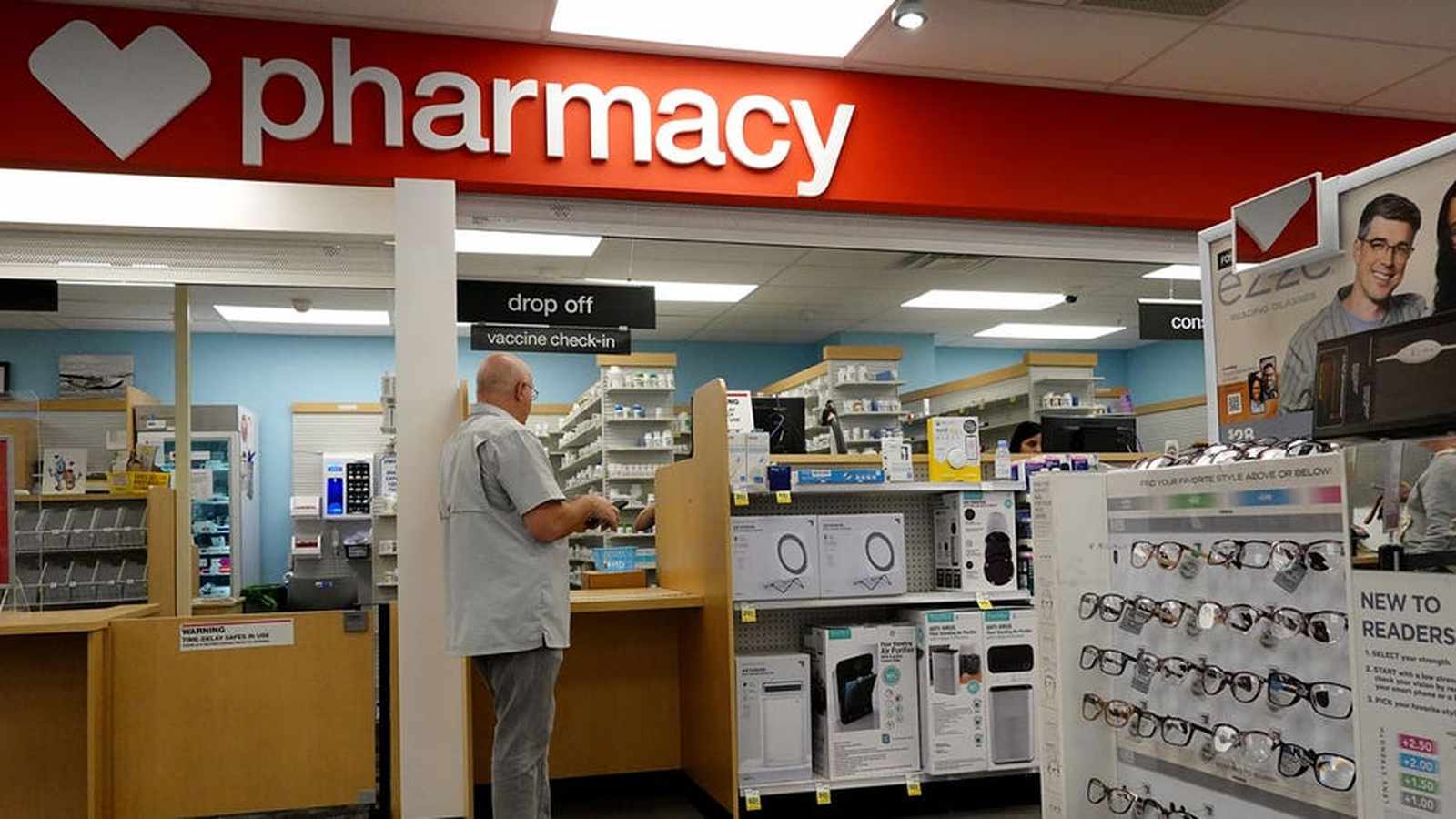
The restructuring will result in two distinct entities. The first, which will temporarily retain the CVS Health name, will encompass the healthcare solutions arm, including Aetna, the pharmacy benefit manager (PBM) CVS Caremark, CVS Specialty, Oak Street Health, and Signify Health. The second entity will focus entirely on the retail sector, operating as CVS Pharmacy. This retail division will manage approximately 9,000 storefronts, the company’s mail-order pharmacy business, MinuteClinic, and the Health100 technology services unit. Existing shareholders will receive shares in both companies in a tax-free transaction, according to information published by Mazech.
Impact on Industry Competition
The announcement has sparked intense discussion regarding the future of the pharmaceutical market, particularly concerning the role of PBMs. For years, independent pharmacies have argued that the vertical integration of companies like CVS—which owns both the pharmacy and the insurance plans that dictate reimbursement rates—created an uneven playing field. Douglas Hoey of the National Community Pharmacists Association (NCPA) highlighted that the current model essentially allows one corporation to act as the “judge, jury, and executioner” within the pharmacy ecosystem.
Hoey suggests that the breakup could foster a more competitive environment. By separating the retail arm from the PBM, the company may no longer hold the same level of influence over where patients access their medications or how much competing pharmacies are compensated. “We think it will be good for competition, good for patients, lower prices, good for small businesses to be able to compete against these conglomerates,” Hoey stated in comments reported by Fox Business. He noted that currently, only about one-third of pharmacies nationwide are independently owned, a trend he attributes in part to the competitive pressure from vertically integrated chains.
Future of Retail Operations
While the move is seen as a potential benefit for market fairness, it also introduces uncertainty for the future of CVS’s physical retail presence. As a standalone retail entity, the CVS Pharmacy division will be under pressure to optimize its financial performance. Hoey warned that the new entity might take a more aggressive approach toward closing underperforming locations. CVS has already shuttered roughly 10% of its locations over the past five years, and the mandate to deliver standalone shareholder value could accelerate this process.
However, Hoey noted that the impact on patient access could be mitigated by existing market density. In many regions, CVS stores are located near other pharmacy providers, meaning that closures might not necessarily leave patients without options. The long-term success of this split will depend on how the two companies navigate their new operating environments and whether the anticipated market competition translates into tangible cost savings for consumers. As the transition proceeds toward the 2028 deadline, regulatory bodies and investors will be closely monitoring how these two distinct entities adapt to the evolving healthcare landscape.