


A Complex Acquisition Strategy
On November 25, 2026, a U.S. consortium led by billionaire Todd Boehly and his holding firm, Eldridge Industries, announced a landmark agreement to acquire the international subsidiary of Russian energy giant Lukoil. The deal, which involves a share swap valued at approximately $10 billion, aims to transition Lukoil International GmbH (LIG) away from Russian control, according to The Kyiv Independent. The announcement follows months of shifting negotiations involving multiple stakeholders and significant regulatory scrutiny.
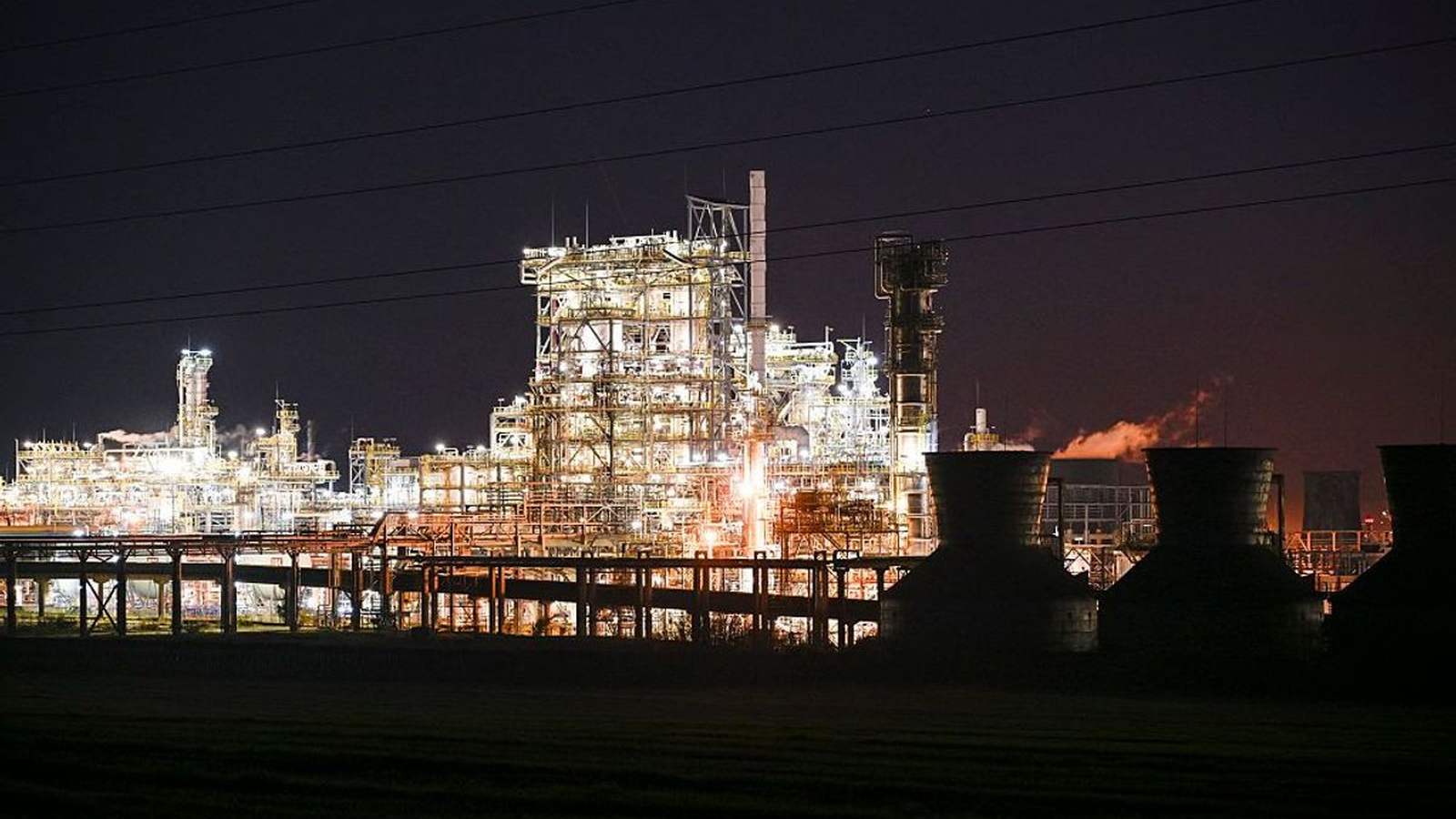
The consortium includes the U.S. International Development Finance Corporation (DFC), the UAE-based Catena Investment Holding, and the global financial advisory firm Xtellus Partners. Under the proposed terms, the transaction relies on a share swap rather than a direct cash payment to Russia, as Oilprice.com reported. The equity of LIG, which controls operations in 11 countries producing roughly 350,000 barrels per day, would be transferred to the consortium, while Lukoil receives restricted shares of its own Russian entity in exchange.
Stakes of U.S. Government Participation
The involvement of the DFC has drawn sharp criticism from U.S. lawmakers and political observers. Critics argue that a U.S. government agency taking an ownership stake in a portfolio linked to a sanctioned Russian firm creates an ethical conflict. Representative Gregory Meeks, a ranking member of the House Foreign Affairs Committee, stated that the administration’s actions risk empowering Russia and undermining the sanctions policy that has been central to the Western response to the war in Ukraine. Democratic political strategist Jessica Tarlov also voiced intense public disapproval, characterizing the arrangement as a strategic error given the ongoing geopolitical climate.
The deal remains subject to approval by the U.S. Treasury Department’s Office of Foreign Assets Control (OFAC). The assets involved are significant, including refineries in the Netherlands, Bulgaria, and Romania, as well as oilfields in Azerbaijan and Kazakhstan. Because Lukoil was placed under U.S. sanctions in October 2025, the company has been under intense pressure to offload its foreign holdings. Previous attempts by other buyers, including Gunvor and Carlyle, failed to secure the necessary OFAC licensing, with Treasury Secretary Scott Bessent famously labeling earlier prospective buyers as proxies for the Kremlin.
Navigating Sanctions and Escrow
To address concerns regarding potential financial windfalls for the Russian parent company, the deal structure mandates that sale considerations be held in a restricted custodial account for five years or until such time that sanctions are lifted. Boehly, the chief executive of Eldridge, described the arrangement as a mechanism to exchange shares that are effectively “worthless to Americans” for tangible assets. The DFC, meanwhile, is slated to receive a portion of future profits once private investors recoup their capital, and the agency will hold a position on the board of the newly formed entity. According to DFC officials, transitioning these strategic energy infrastructure assets into the hands of the U.S. or its allied partners is a core policy priority.
The Fragile Nature of the Agreement
The transaction is far from a certain conclusion. Boehly indicated that the closing process could extend up to a year, contingent upon rigorous OFAC review. With 12 different versions of the license for sale negotiations issued thus far, the path forward remains highly regulated and sensitive to legislative shifts. The most recent license, issued November 19, 2026, serves as a narrow window, allowing formal negotiations to continue only until December 19, 2026.
The consortium has already faced significant internal turbulence. The investment group recently underwent a major reshuffling after the withdrawal of partners including the Syrian-Qatari Al-Khayyat brothers and Abu Dhabi’s International Holding Company. This reduction in the partner pool places greater pressure on the remaining entities to ensure the $10 billion valuation holds up against market volatility and potential further legal challenges. For the U.S. government, the optics of sitting on the board of an entity that was until very recently a critical arm of the Russian energy sector remain a point of heated debate in Washington.
Geopolitical Context and Asset Scope
Lukoil remains the second-largest oil producer in Russia and its largest private entity. For Moscow, the loss of these international assets represents a major structural setback in their efforts to bypass sanctions through foreign subsidiaries. The portfolio in question is vast; beyond the European refineries, it includes a complex network of service stations, some located within the borders of the United States. Observers note that by using securities previously frozen and written down by Western banks, the consortium is attempting to solve two problems at once: cleaning the balance sheets of U.S. depositary banks while securing essential energy infrastructure.
However, the skepticism surrounding the deal is rooted in the fear that even restricted access to profits or the legitimization of these assets could offer a lifeline to the Russian economy. As the war in Ukraine drags on, the tension between tactical economic goals—such as securing energy supplies—and the strategic goal of isolating the Russian state remains palpable. The DFC’s role serves as the nexus of this conflict, balancing federal policy mandates against the reputational risk of entanglement with sanctioned interests.
Future Projections and Compliance
As the December deadline for the latest licensing phase approaches, all eyes remain on the Treasury Department. If the deal receives final approval, it could set a precedent for how Western powers handle the divestiture of Russian corporate assets globally. Conversely, a rejection of the application would likely force Lukoil into a more desperate, and perhaps more dangerous, offloading strategy that could lead to assets being sold to less transparent, non-Western buyers. Boehly and the consortium members face the arduous task of proving to regulators that the structure is watertight, shielding the U.S. government from any direct or indirect involvement that could be construed as violating the spirit of current sanctions. Until the OFAC verdict is delivered, the deal remains a speculative, albeit massive, attempt at corporate restructuring in the shadow of war.