


A Stalled Conflict at the Six-Month Mark
Six months after the United States and Israel launched a joint military campaign against Iran, the conflict has entered a period of protracted economic and maritime tension. President Donald Trump, who initially projected a swift resolution to the hostilities, now describes the timeline as lasting “as long as necessary,” signaling a significant departure from earlier administration rhetoric.
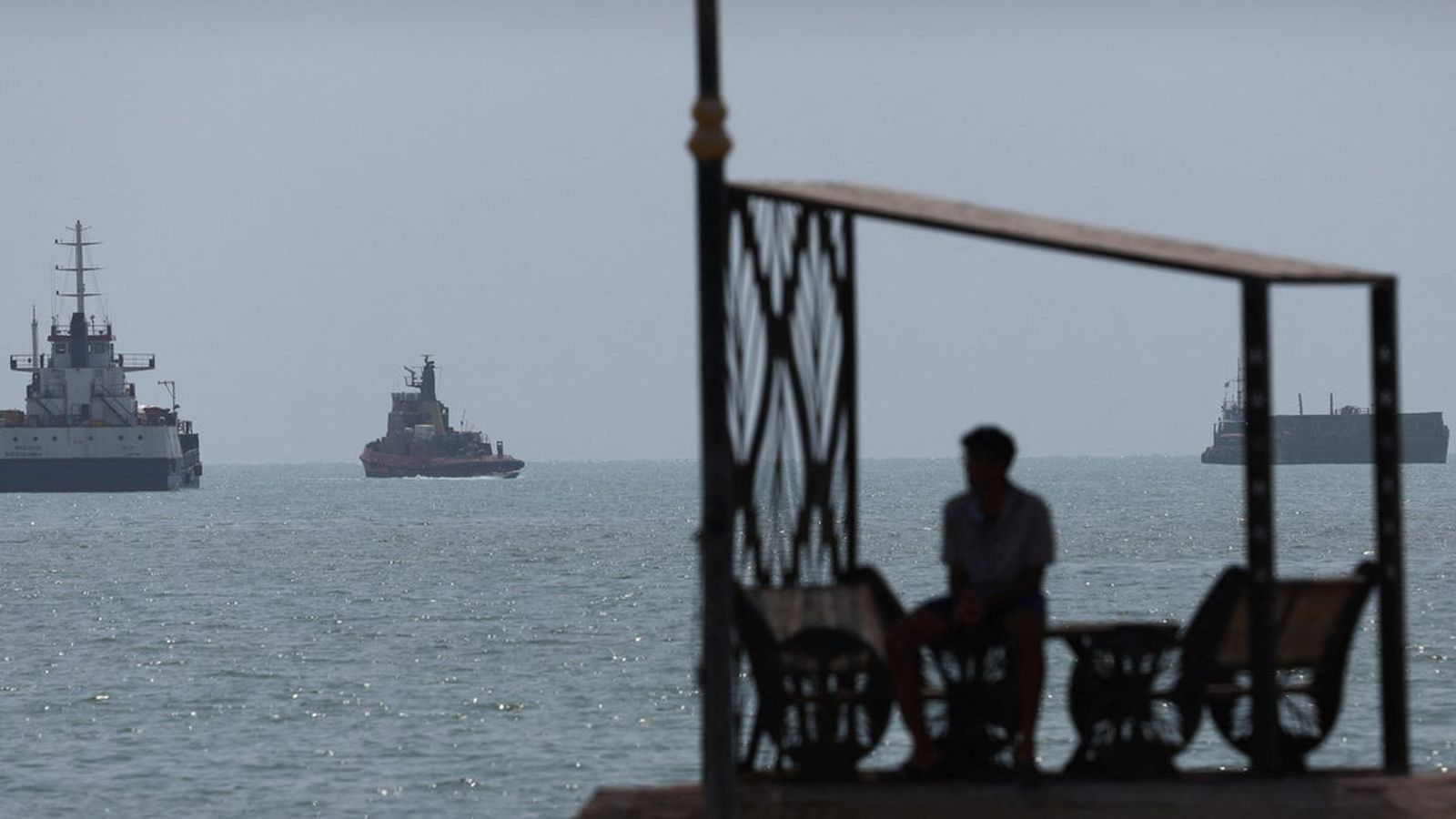
Despite the U.S. military’s assertions that the Strait of Hormuz is clear of mines and open for transit, commercial shipping remains at a fraction of pre-war levels. U.S. Central Command chief Adm. Brad Cooper stated that “momentum is building” for maritime traffic, yet the reality for global shipping remains stark: vessels continue to require direct U.S. naval protection to navigate the waterway, and the volume of transit remains significantly below the daily average of 120 ships seen before late February.
This report draws on information published by CBS News and Al Jazeera.
The Economic Asphyxiation Strategy
U.S. Treasury Secretary Scott Bessent has escalated the conflict’s economic dimension, outlining a policy of “economic asphyxiation” aimed at severing Iran’s financial lifelines. This week, the Treasury Department announced it would cut off the UAE branches of Egypt’s Banque Misr from the U.S. financial system, citing its role in facilitating Iranian financial transactions. Additional sanctions were placed on individuals and entities accused of laundering funds for the Iranian regime.
Tehran has labeled these actions as “economic terrorism,” with Foreign Minister Abbas Araghchi stating that the pressure campaign is failing to alter Iranian policy. Meanwhile, Iran is actively seeking alternative energy routes, reporting “very good progress” in negotiations with Russia to export oil and gas via an overland pipeline through Azerbaijan. This project, which could facilitate the movement of up to 1 million barrels per day, illustrates Tehran’s efforts to bypass the U.S. naval blockade.
Institutional Criticism and Political Stakes
The six-month milestone has drawn sharp criticism from senior U.S. lawmakers. Sen. Jack Reed, the ranking Democrat on the Senate Armed Services Committee, issued a scathing assessment, arguing that the administration has failed to achieve a single one of its initial objectives: dismantling Iran’s nuclear program, neutralizing its missile arsenal, or toppling the regime. Reed emphasized that the administration has provided no clear “definition of victory” or a framework for ending the conflict, raising concerns about the lack of congressional oversight and public support.
The humanitarian impact of the war remains severe. The International Maritime Organization reports that approximately 6,000 seafarers remain stranded in the region, working under constant risk. With no major evacuation efforts since June, the conflict continues to disrupt global supply chains, fueling a 30% increase in oil prices compared to pre-war levels.
Next Steps
As the conflict continues, the administration’s focus remains on maintaining the blockade while resisting diplomatic calls to ease pressure. The effectiveness of the “economic asphyxiation” strategy will likely depend on the compliance of third-party countries and their banks, as Washington continues to signal that it will hold “enablers” accountable for facilitating trade with Tehran. Whether the U.S. can sustain this high-pressure approach without securing an exit strategy or achieving its stated military goals remains the central question for the coming months.