


Strategic Deployment of Autonomous Systems
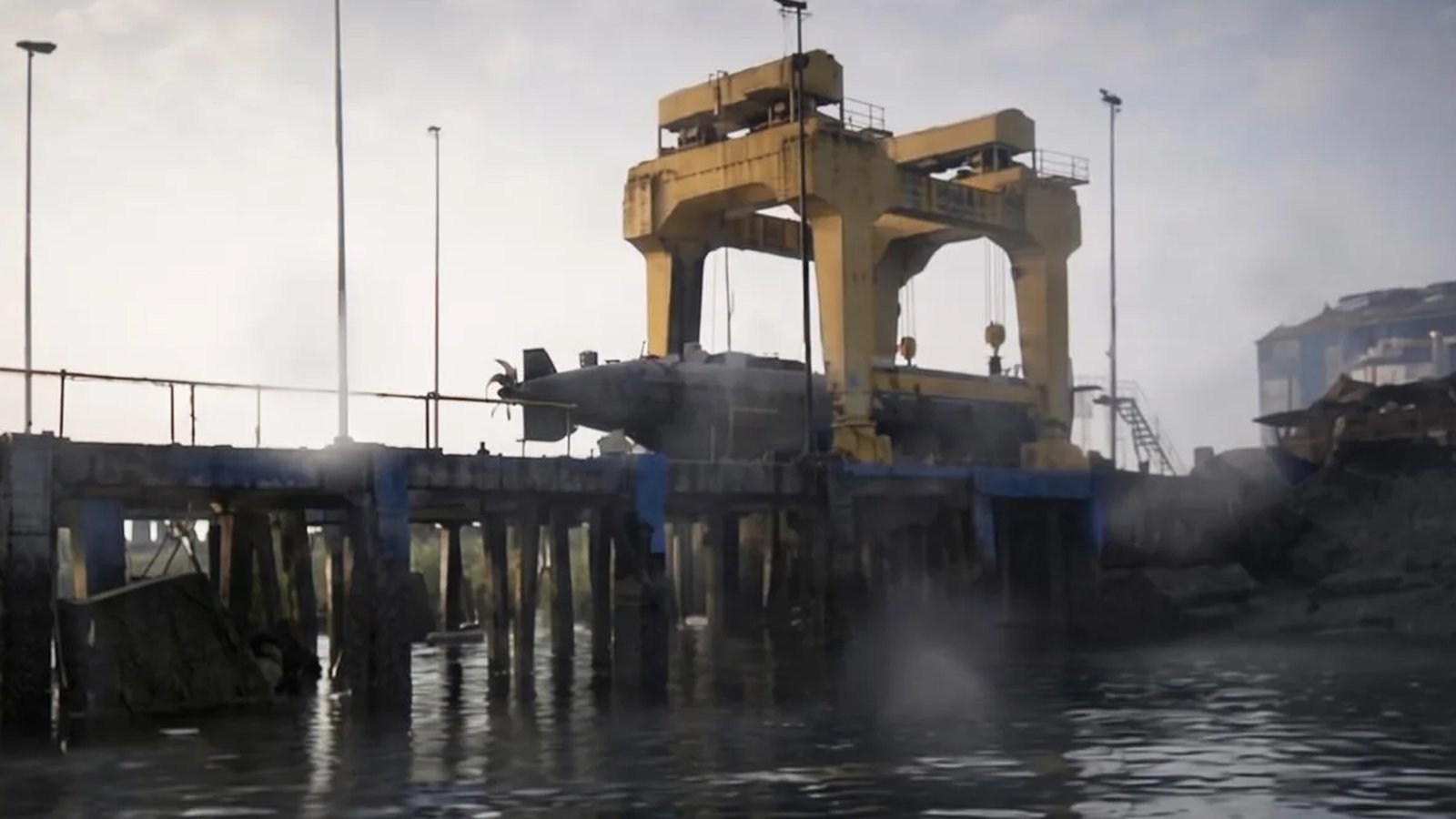
US Central Command (CENTCOM) confirmed that American forces conducted the first combat deployment of one-way attack uncrewed surface vessels (USVs) on July 12, targeting the Iranian naval base at Bandar Abbas. The operation involved three Saronic Corsair USVs, which struck a Ghadir-class midget submarine docked for maintenance, alongside critical ship repair infrastructure.
The strike occurred amid a broader operational surge against dozens of Iranian assets, including radar, missile batteries, and air defense systems. CENTCOM officials stated the operation aimed to degrade Iran’s capability to threaten commercial shipping in the Strait of Hormuz, a key objective following the collapse of the June 17 Islamabad Memorandum ceasefire.
Technological Shift in Naval Warfare
The Corsair USVs, manufactured by Texas-based Saronic, represent a rapid transition from prototype to production for the US military. The vessels are designed to carry up to 1,000 pounds of payload over 1,000 nautical miles, reaching speeds of 35 knots. This deployment highlights a growing reliance on autonomous systems to neutralize high-value naval targets, mirroring tactics observed in the Black Sea theater.
Despite the success of the strike, analysts note that Iran’s naval threat remains distributed across a complex coastline. The failure of Iranian defenses to intercept the slow-moving USVs at a major headquarters like Bandar Abbas has drawn attention to potential gaps in Tehran’s maritime security posture.
Geopolitical Stakes
The incident follows a rapid deterioration of regional stability. After Iran declared the Strait of Hormuz closed on July 11 and launched missile strikes against US allies in the region, the United States responded by rescinding licenses for Iranian oil sales and reinstating port blockades. As both nations continue to exchange fire, the use of advanced autonomous naval assets signals a shift toward more persistent and technologically complex maritime engagements.