


Public Health Crisis Escalates
The United States faces a mounting public health crisis as the national measles-related death toll reached 14, with total confirmed infections nearing 6,000, according to reporting published by Ars Technica on November 24, 2026. This surge represents the highest national case count recorded since 1991, with the virus officially classified as endemic following the loss of the nation’s measles-elimination status. International health authorities recently formalized this determination, characterizing it as a significant failure of preventive medicine. While this technical classification marks a grim milestone, the reality on the ground indicates that the spread has already overwhelmed many local response efforts, leaving the country struggling to manage a pathogen once considered effectively eradicated domestically.
Transmission remains widespread across the country, with 47 states and jurisdictions currently reporting active cases. Health officials have identified 43 distinct outbreaks during the 2026 calendar year, which collectively account for 96 percent of the documented infections. Pennsylvania currently reports the highest disease burden, with 1,638 confirmed cases as of November 23, 2026, while nearly 650 patients have required hospitalization nationwide. The scale of the hospitalizations highlights the severity of the clinical outcomes associated with these outbreaks, which frequently include complications such as pneumonia, encephalitis, and long-term immune suppression.
The Mechanics of Resurgence
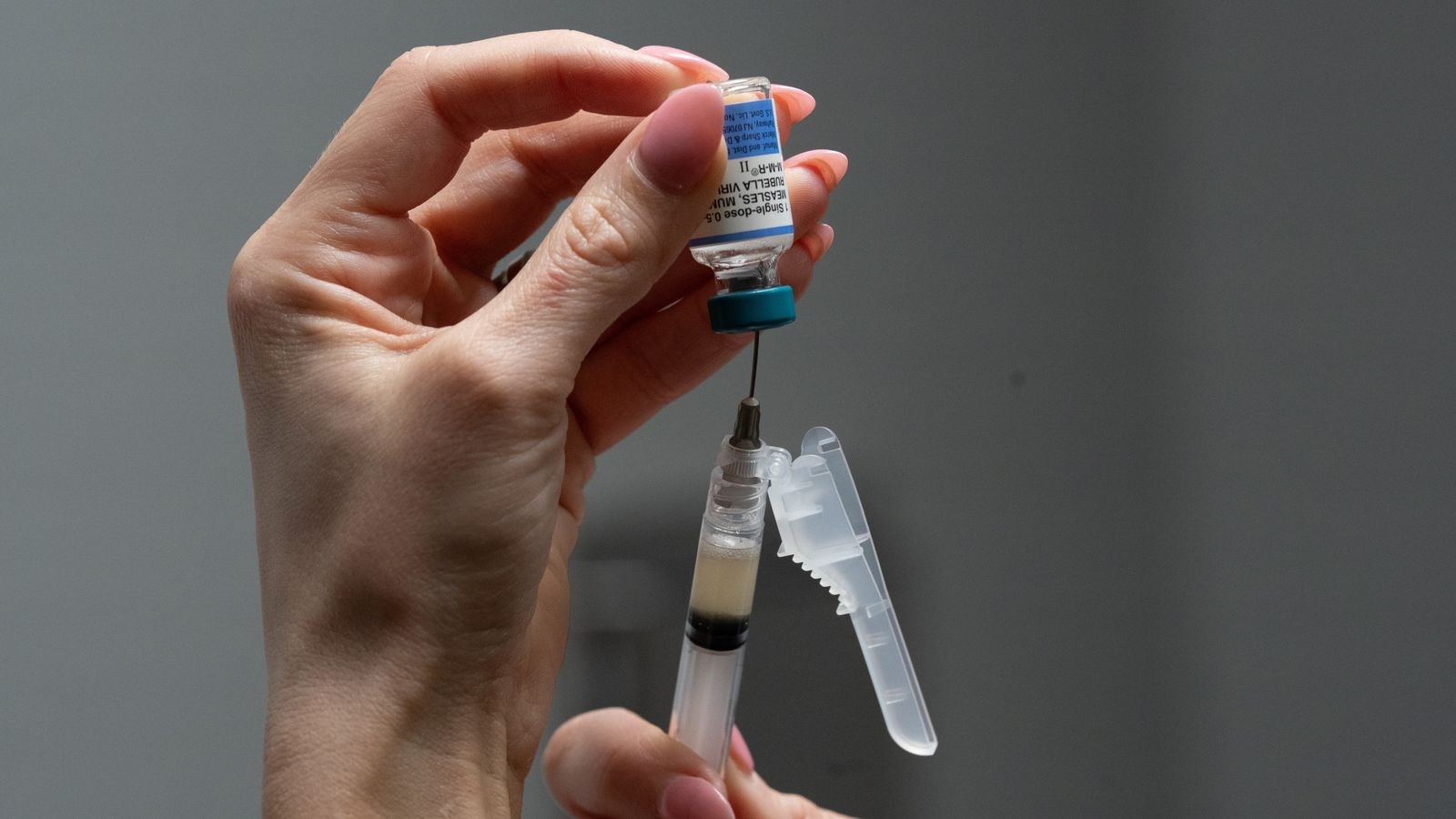
The return of measles as an endemic threat is fundamentally linked to a decline in vaccination coverage that has fallen below the critical 95 percent threshold required to maintain community-level herd immunity. Data from the 2025–2026 school year indicates that only 92.4 percent of US kindergartners received the required measles, mumps, and rubella (MMR) vaccine. Currently, only 10 states meet or exceed the 95 percent target, though health experts note that even within these states, localized pockets of under-vaccinated populations continue to facilitate rapid viral transmission. This systemic shortfall means that the virus is able to find susceptible hosts in almost every corner of the country, turning small localized clusters into prolonged community-wide emergencies.
Measles is recognized as the most contagious virus currently known to science, capable of lingering in the air for up to two hours after an infected individual has left a space. Without immunity—achieved through vaccination or prior infection—approximately 90 percent of exposed individuals are expected to contract the virus. Because the virus is so easily transmitted through airborne particles, preventing its spread requires high levels of consistent immunization across every demographic. The erosion of this coverage has created a landscape where the virus can circulate efficiently, particularly in schools, healthcare settings, and densely populated urban centers where contact tracing becomes difficult to manage in real-time.
Geographic and Demographic Impact
The recent fatalities reflect a broad impact across the population, crossing age lines and regional boundaries. On November 23, 2026, the Pennsylvania Department of Health confirmed the death of an unvaccinated resident in Centre County, marking the state’s ninth measles-related fatality. On November 24, 2026, Wisconsin officials reported their third death, an adult in Lafayette County, following previous fatalities involving an infant and a child. Other documented deaths include a 7-month-old in New York and a young child in Virginia, reported on November 20, 2026. The vulnerability of infants, who are often too young to receive their first dose of the MMR vaccine, underscores the vital importance of herd immunity in protecting those who cannot protect themselves.
The World Socialist Web Site noted in earlier reporting that while several states have struggled to contain the virus, the national data provided by the Centers for Disease Control and Prevention (CDC) often reflects a lag compared to local health department updates. The persistent transmission indicates that current public health interventions have thus far been insufficient to break the chains of infection in high-risk regions. The discrepancy between local reporting and federal updates has created challenges in communicating the urgency of the situation to the public. As of the latest updates, the virus shows no signs of slowing down, and the pool of susceptible individuals continues to expand. Experts maintain that a concerted effort to increase vaccine uptake is the only viable path to regaining control of the situation and reversing the loss of the country’s elimination status, yet with current trends, the path to re-elimination appears long and fraught with ongoing public health risks for all states involved.