


The Incident in Northern Iraq
The United States Central Command (CENTCOM) has confirmed the death of a third American service member in recent days, following a fatal incident in northern Iraq on July 18, 2026. According to official military statements, the soldier was killed during a “controlled detonation of unexploded ordnance” recovered from a downed Iranian attack drone. A second service member sustained mild injuries during the same operation. This latest fatality brings the total number of US service members killed since the outbreak of the US-Israel war against Iran on February 28 to 17.
The incident underscores the persistent danger posed by unexploded Iranian munitions, even after they have been successfully neutralized or downed by air defenses. The ordnance in question belonged to a one-way attack drone, commonly identified as a “Shahed” model, which has become a staple of Tehran’s asymmetric warfare strategy. These drones, which cost approximately $30,000 to produce, force the US and its allies to deploy interceptor missiles costing millions of dollars, creating a significant economic and tactical imbalance.
Escalation Across the Region
The death in Iraq follows a particularly bloody weekend for US forces. On Friday, two service members were killed in Iranian strikes in Jordan, while a third was reported missing. CENTCOM updated on Sunday that unidentified remains have been recovered at the Jordan site and are currently undergoing forensic examination to verify if they belong to the missing personnel. This cluster of casualties has triggered a massive retaliatory response from Washington, which has now conducted strikes against Iranian targets for eight consecutive nights.
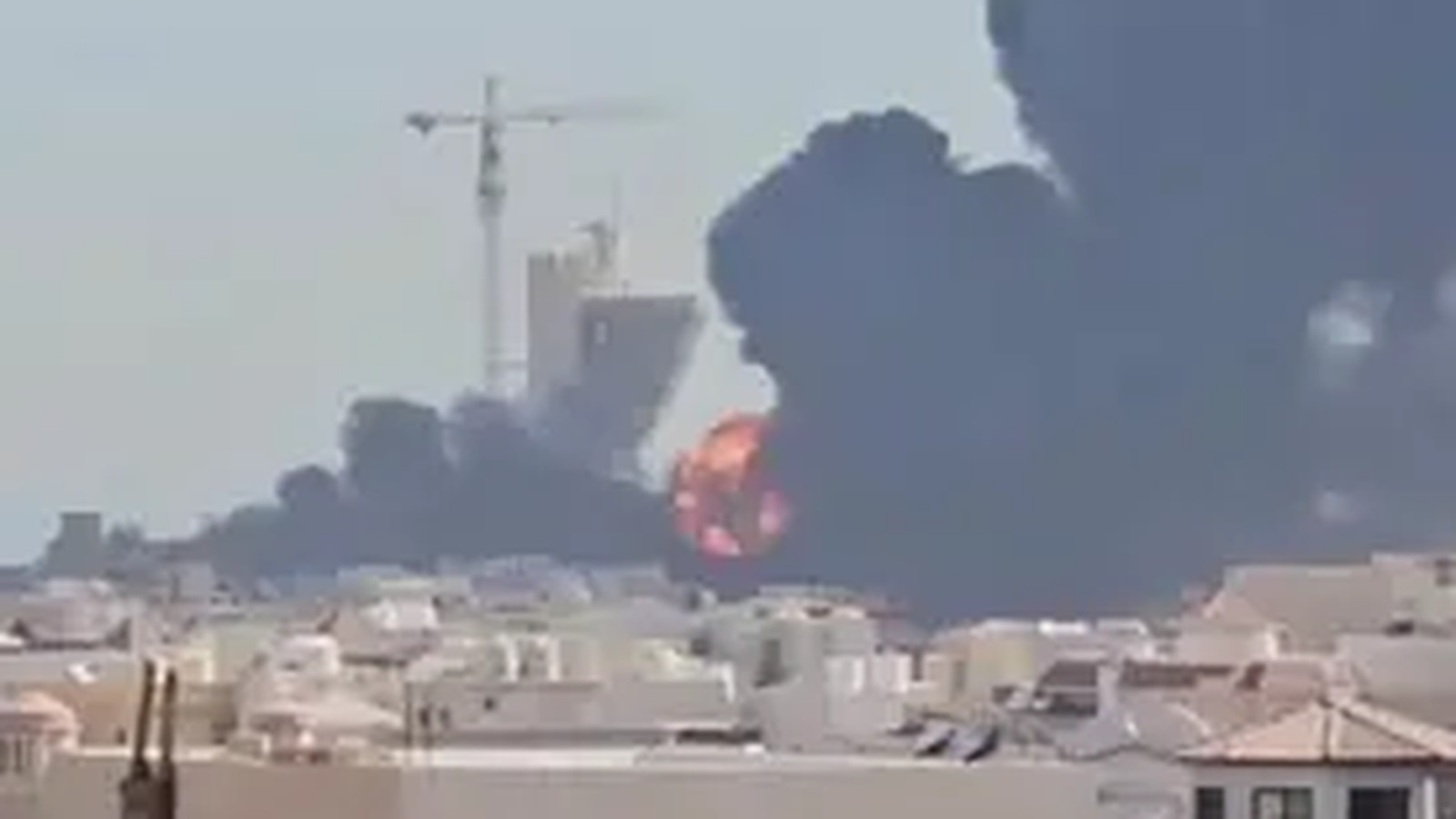
The US military stated that its current operations are specifically designed to “degrade Iran’s ability to threaten commercial shipping” and to punish the Islamic Revolutionary Guard Corps (IRGC) for the Jordan attacks. Verified footage from the Jordanian facility shows multiple impacts, suggesting a high level of precision and lethality in the Iranian drone and missile strikes. Meanwhile, the conflict has expanded to include civilian infrastructure across the Gulf, with Kuwait reporting fires at a desalination plant following what it described as a direct Iranian strike.
The Collapse of Diplomacy
This surge in violence marks the definitive end of a fragile diplomatic window. In June, Washington and Tehran had reached a preliminary interim ceasefire agreement aimed at cooling regional tensions. However, the deal collapsed within weeks as both sides struggled for control over the Strait of Hormuz, a critical global energy corridor. On July 8, US President Donald Trump declared the agreement “over,” leading to an immediate intensification of hostilities.
The rhetoric from Tehran has sharpened in tandem with the military escalation. Iran’s Supreme Leader, Mojtaba Khamenei, issued a written statement asserting that the US’s “repeated breaches” of the June agreement proved that “the signature of the US president is utterly worthless.” This hardening of positions suggests that a return to the negotiating table is unlikely in the near term, as both nations prioritize military leverage over diplomatic engagement.
Strategic Targets and Economic Fallout
The battlefield has now extended deep into Iranian territory. Iranian state media reported US strikes near the cities of Sirik and Shadegan, as well as an explosion in the industrial hub of Abadan. Most significantly, Iran’s Atomic Energy Organization condemned a US strike on a nuclear power plant under construction in Darkhovin. While the International Atomic Energy Agency (IAEA) noted the plant is in early construction stages, the targeting of such a site represents a significant escalation in the scope of the war.
The humanitarian and economic costs continue to mount. Iran’s health ministry reports at least 50 deaths and 500 injuries from US strikes over the last three weeks. Beyond the immediate casualties, the disruption to global energy supplies and the threat to shipping routes in the Gulf have fueled fears of rising global inflation. As the US warns that ports like Aqaba remain potential targets, the regional security architecture faces its most severe test in decades, with allies like Jordan and Bahrain increasingly caught in the crossfire of a full-scale regional war.