


The Missed Deadline and the 2027 Horizon
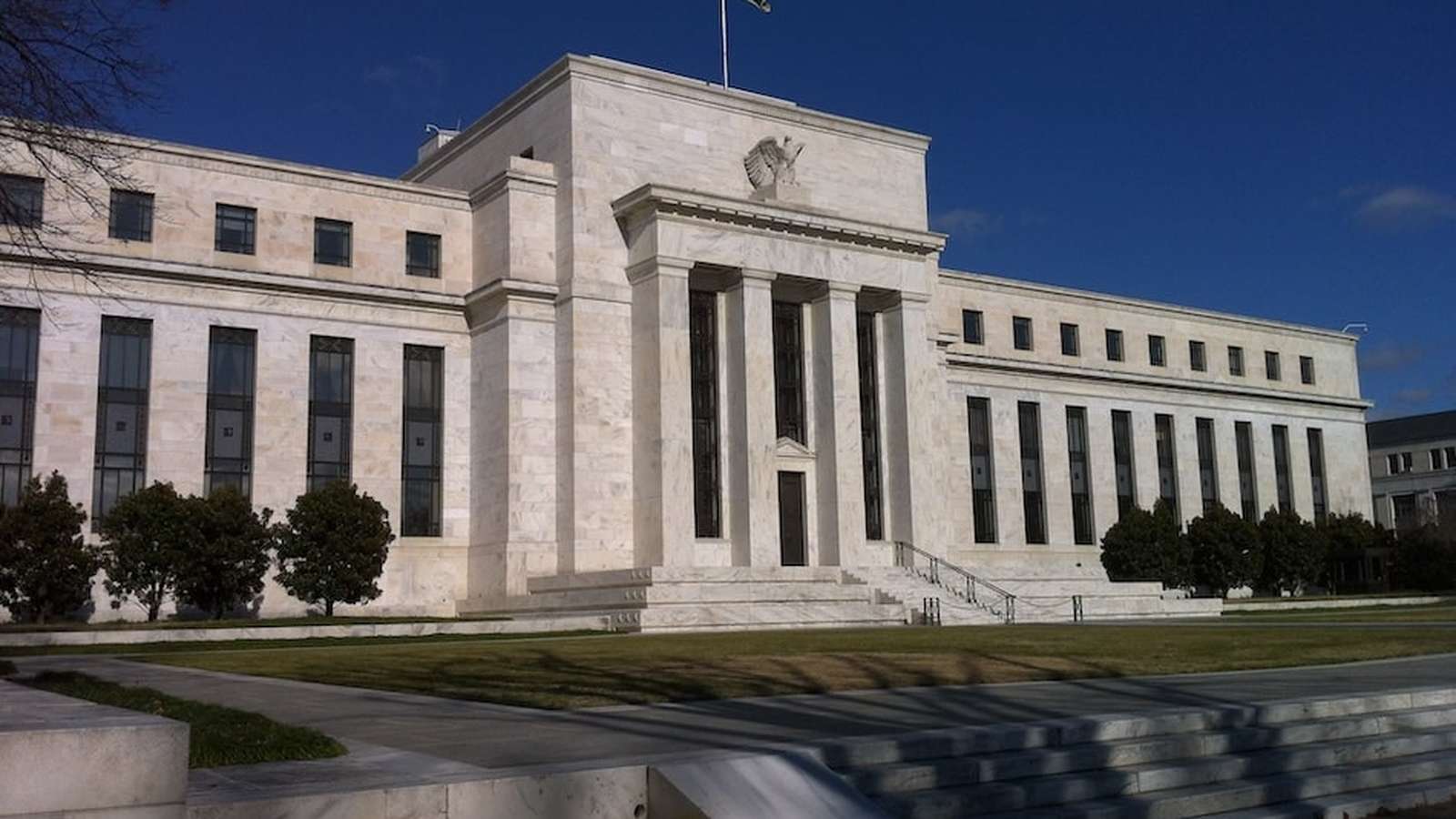
Five major United States federal agencies—the Department of the Treasury, the Federal Reserve, the Office of the Comptroller of the Currency (OCC), the Federal Deposit Insurance Corporation (FDIC), and the National Credit Union Administration (NCUA)—have allowed the statutory rulemaking deadline for the Guiding and Establishing National Innovation for US Stablecoins (GENIUS) Act to pass without finalizing a single rule. The July 18 cutoff marked exactly one year since President Donald Trump signed the legislation into law, a milestone intended to provide the digital asset industry with a definitive legal foundation.
The failure to meet this deadline triggers a specific statutory formula for the law’s effective date. Under the GENIUS Act, the framework becomes enforceable on the earlier of two dates: 18 months after the July 18, 2025 signing (January 18, 2027) or 120 days after the publication of final rules. Because any rules finalized after September 20, 2026, would land past that January threshold due to the 120-day buffer, the January 18, 2027 effective date is now considered effectively locked. This creates a prolonged period of regulatory limbo for issuers who must now build compliance infrastructures against unfinished drafts.
A Fragmented Regulatory Landscape
Despite the missed deadline, the past year has seen a flurry of proposed activity that highlights the complexity of the task. Rulemaking trackers from law firm Chapman and investment firm Paradigm indicate that 10 notices of proposed rulemaking (NPRMs) have been issued, but none have crossed the finish line. The Treasury Department led the effort with four proposals covering state regulatory standards, foreign issuer registration, and anti-money laundering (AML) compliance.
The OCC issued two proposals focusing on nationally chartered payment stablecoin issuers, while the FDIC’s single proposal centered on supervisory expectations and reserve management. The NCUA, moving earlier than its counterparts, published a licensing framework in February and risk-management proposals in May. However, the sheer volume of industry feedback and unresolved jurisdictional disputes between state and federal authorities have slowed the process. Crucially, several key components—including joint customer-identification and AML proposals—remain open for public comment through August, guaranteeing they could not have been finalized by the July deadline.
Institutional Stakes and the Push for Clarity
The delay comes at a critical juncture for institutional participation in digital markets. Avery Ching, CEO of Aptos Labs, identified the GENIUS Act and the proposed CLARITY Act as the two primary pillars required for institutional confidence. Speaking on ‘3PROTV,’ Ching argued that clear regulatory frameworks are the missing link for large-scale financial entities to enter the space. He predicted that the next five years will be defined by asset digitization—moving US Treasuries, money market funds, and stocks onto blockchain settlement layers—but emphasized that this evolution depends on legal certainty.
Industry giants are already attempting to shape the final rules. BlackRock, the world’s largest asset manager, has formally urged the OCC to remove a proposed 20% cap on tokenized reserve assets. BlackRock is also lobbying for US Treasury-linked ETFs to be explicitly recognized as qualifying reserves. This debate is pivotal for networks like NEAR Protocol and Aptos, which are positioning themselves as hosts for real-world-asset (RWA) issuance. Until reserve-eligibility rules are hardened, the scaling of institutional tokenized-cash products remains stalled.
The Legislative Gap and Global Competition
While the GENIUS Act remains in the rulemaking phase, some industry players are shifting their focus to the Digital Asset Market Clarity Act (CLARITY). Anchorage Digital, a federally chartered crypto bank, used the anniversary of the GENIUS Act to urge the Senate to move forward with the CLARITY Act, which cleared the Senate Banking Committee in May. However, legislative momentum is flagging; Galaxy Digital recently lowered the odds of the bill passing in 2026 to 50%, citing a narrowing window and the lack of a unified Senate text.
The US delay also creates a growing divergence with international standards, most notably the European Union’s Markets in Crypto-Assets (MiCA) regulation. With MiCA’s stablecoin provisions already taking effect, the US’s push to 2027 risks creating incompatible regulatory regimes. This could force global issuers to maintain separate, region-specific stablecoins, complicating cross-border liquidity and settlement. For now, the US market remains in a state of “compressed preparation,” where firms must anticipate final standards while operating under the shadow of unfinished drafts.