


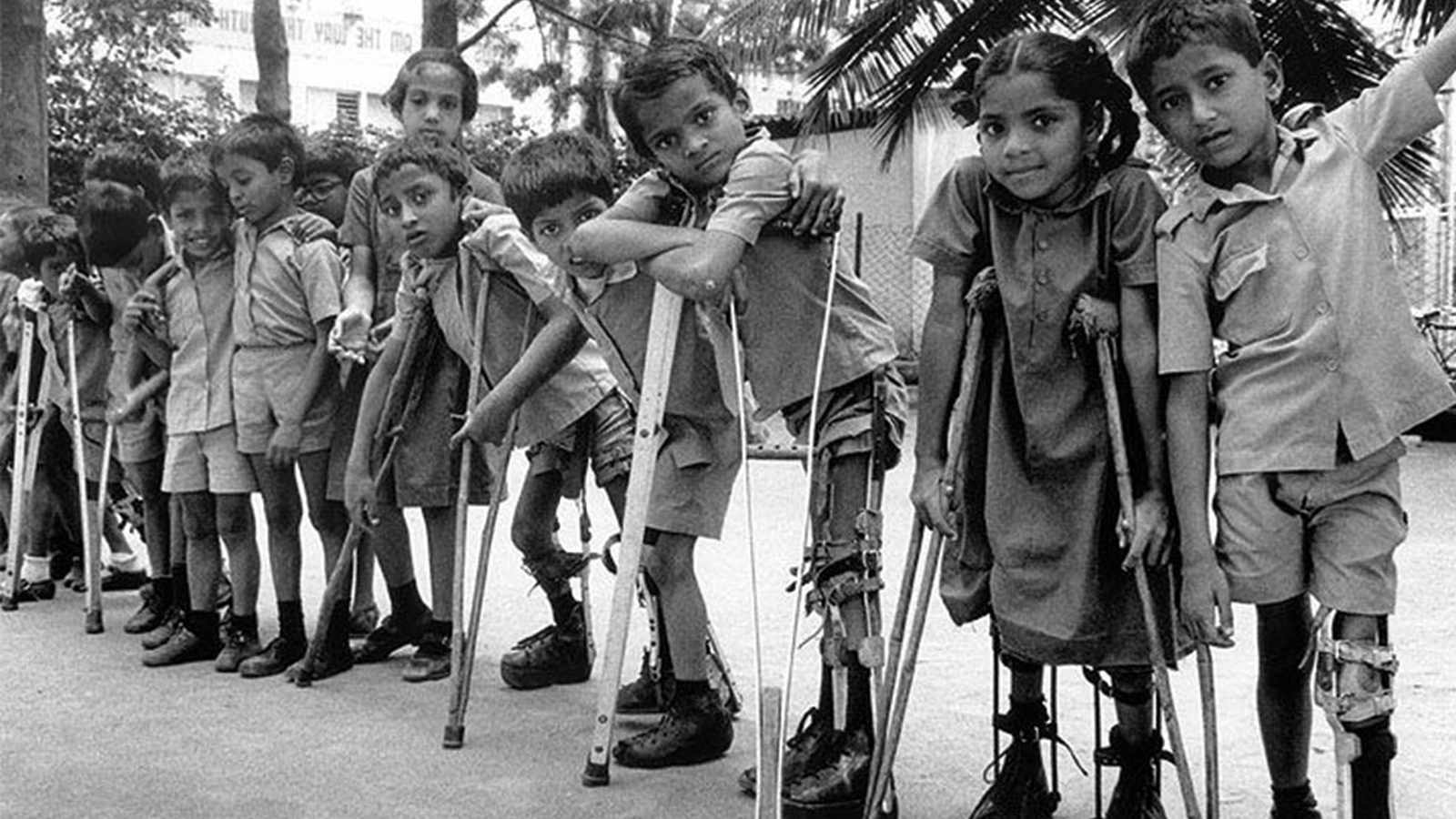
WASHINGTON D.C. (Azat TV) – The Centers for Disease Control and Prevention (CDC) announced sweeping changes to its childhood vaccine schedule in early January 2026, reducing universal recommendations from 18 diseases to 11. This decision has ignited a significant controversy, marking the first major break in three decades between federal health guidance and the long-standing medical consensus upheld by the American Academy of Pediatrics (AAP), even as international efforts against polio intensify in countries like Pakistan and Afghanistan.
The revised federal schedule maintains universal recommendations for vaccines protecting against diphtheria, tetanus, pertussis, polio, measles, mumps, rubella, Haemophilus influenzae type B, pneumococcal disease, human papillomavirus, and chickenpox. However, vaccines for hepatitis A and B, meningococcal disease, rotavirus, influenza, COVID-19, and respiratory syncytial virus have been moved to either high-risk categories or designated for “shared clinical decision-making” between doctors and families. Acting CDC Director Jim O’Neill defended the changes, noting that the previous 2024 schedule recommended more childhood vaccines than any peer nation, citing Denmark’s 10 recommended diseases as a model.
CDC Shifts Childhood Vaccine Stance Amidst Controversy
The CDC’s policy shift, directed by President Trump to align American guidelines with peer nations, immediately drew sharp criticism from the medical community. The American Academy of Pediatrics, representing 67,000 pediatricians, responded by publishing its own 2026 immunization schedule that continues to recommend all 18 diseases, directly contradicting federal guidance. Dr. Andrew Racine, president of the AAP, characterized the federal changes as creating “unnecessary chaos,” emphasizing that disease distribution and risk to American children have not changed, rendering the revision scientifically unjustified. Their alternative guidance has been endorsed by 12 major medical organizations, including the American Academy of Family Physicians and the American Medical Association.
The controversy intensified with comments from Dr. Kirk Milhoan, chair of the CDC’s Advisory Committee on Immunization Practices, who openly questioned the continued necessity of widespread polio vaccination. Infectious disease experts quickly countered, pointing out that no new treatments for measles or polio have been developed in six decades. These policy changes arrive at a precarious moment for public health in the U.S., where public trust in health institutions declined from 72% to 40% between 2020 and 2024. Childhood vaccination rates have also fallen, leading to pockets of vulnerability, as demonstrated by a 2022 polio case in Rockland County, New York, where vaccination coverage among young children had dropped to 60%. Several states, including Massachusetts, have already rejected the federal schedule, with Public Health Commissioner Dr. Robbie Goldstein calling the decision “reckless and deeply dangerous,” especially amidst active measles outbreaks and whooping cough resurgences.
The Global Polio Eradication ‘Catch-22’
Internationally, the battle to eradicate polio faces its own complex challenges, highlighting the ongoing global relevance of vaccination. Most of Europe and the U.S. rely on the inactivated polio vaccine (IPV), which effectively protects individuals from paralysis but does not prevent the virus from replicating in the intestines and spreading silently to others. This means vaccinated individuals can still carry and transmit the virus. Historically, the live oral polio vaccine (OPV) was crucial for herd immunity but came with a risk of vaccine-derived outbreaks.
A significant setback occurred in 2016 when a global “switch” was made to remove the type 2 strain from the OPV, aiming to eradicate it entirely. This move, however, backfired, leading to an estimated 3,300 of the 4,000 paralysis cases in children since 2016 from vaccine-derived poliovirus. The Global Polio Eradication Initiative described this as an “unqualified failure,” costing over $1.8 billion in subsequent efforts to quash outbreaks. However, a new oral polio vaccine, nOPV2, has shown significant promise, being 70 to 80 percent less likely to revert to infectious forms compared to the original OPV. Nearly two billion doses have been administered globally since 2021, and a major study published in Nature by scientists at the MHRA last week confirmed its effectiveness in providing protection against type 2 polio while sharply reducing the emergence of new vaccine-derived strains. Uganda, for instance, successfully interrupted circulating vaccine-derived poliovirus transmission following two nationwide campaigns reaching approximately 20 million children.
Renewed Commitment in Polio-Endemic Nations
Despite these global complexities, commitment to polio eradication remains strong in the remaining endemic regions. On January 28, 2026, Pakistan’s Prime Minister Muhammad Shehbaz Sharif met with a delegation from the Gates Foundation, led by President for Global Development Chris Elias, to reaffirm Pakistan’s dedication to eliminating the disease. Prime Minister Sharif expressed gratitude for the Gates Foundation’s contributions and the support of Muslim countries like Saudi Arabia, emphasizing the government’s comprehensive strategy and close coordination with provincial governments to ensure nationwide access for vaccination teams. Chris Elias praised Pakistan’s efforts, noting the country is moving in the right direction toward complete eradication.
Concurrently, Afghanistan launched its first nationwide polio vaccination campaign of 2026, set to begin the week of January 28 in several areas across the country. This program aims to deliver the polio vaccine to eligible children within a specified timeframe, underscoring ongoing efforts in one of the last strongholds of the wild poliovirus.
The divergence in vaccine policy within the United States, particularly regarding the questioning of universal polio vaccination, creates a challenging domestic environment for public health, contrasting sharply with the unified, intensified global efforts to eradicate polio in its last remaining strongholds and manage the complexities of vaccine-derived outbreaks. This dual reality underscores the delicate balance between national health policy autonomy and the interconnected nature of global disease prevention.