


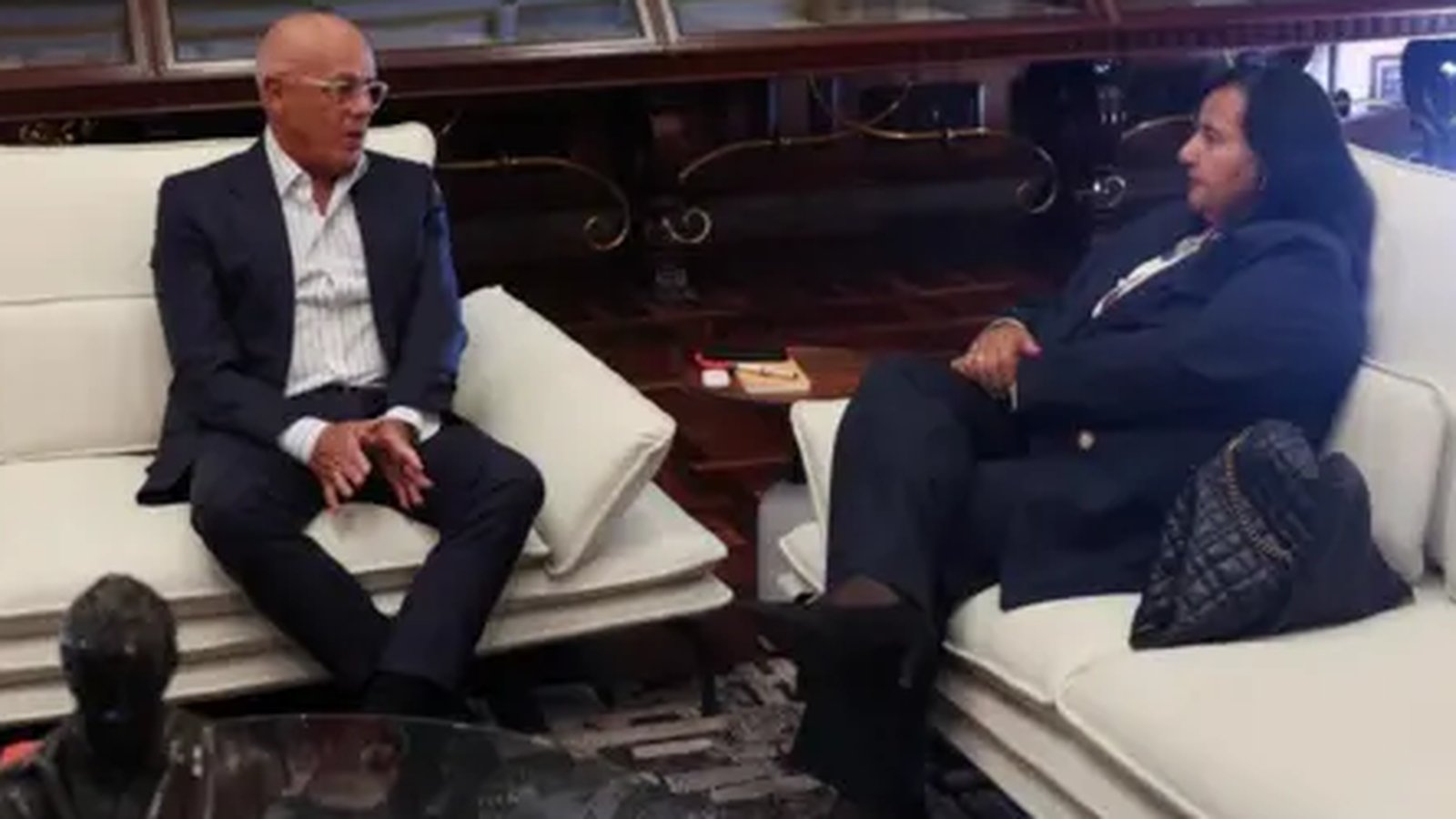
A Nation in Crisis
The Venezuelan government, currently led by Acting President Delcy Rodríguez, has announced the commencement of formal negotiations with opposition members. This shift follows weeks of intense domestic and international pressure, compounded by the humanitarian aftermath of two major earthquakes that struck the country on June 24, 2026.
The magnitude 7.2 and 7.5 seismic events resulted in over 4,500 confirmed deaths and left more than 16,000 injured. The devastation, particularly in La Guaira and the capital, Caracas, has severely strained the country’s already fragile infrastructure. Advocacy groups and international observers have heavily criticized the government’s relief efforts, describing them as “uncoordinated, poor, and delayed,” and alleging that political interests have hindered the distribution of essential aid.
Institutional Stakes and Political Realignment
The decision to engage in dialogue marks a significant turning point in a volatile political climate. Since the January 2026 seizure of former President Nicolás Maduro by U.S. forces, the nation has navigated a precarious transition. The current administration has struggled to maintain legitimacy while addressing the collapse of public services and the rising death toll from the seismic disasters.
Analysts suggest that the government’s willingness to talk is an acknowledgment that the state’s capacity to manage the recovery alone is insufficient. With hospitals overwhelmed and reports of looting and insecurity in major cities, the administration faces the risk of total institutional failure. The opposition, meanwhile, sees this as an opportunity to secure a seat at the table to ensure that international aid—currently being mobilized by various NGOs and regional partners—reaches the most vulnerable populations rather than being funneled through party-aligned channels.
Humanitarian Imperatives
For the millions of Venezuelans affected, the political talks represent a potential lifeline. Aid organizations, including the AIDS Healthcare Foundation and AID FOR AIDS International, have highlighted that the “scale of destruction is the greatest challenge.” The government’s previous restrictions on aid access to certain zones have been a major point of contention. Whether these negotiations will result in a more transparent and efficient distribution of resources remains the primary concern for both local communities and the international community.