


Leadership Shakeup Amid National Tech Disruption
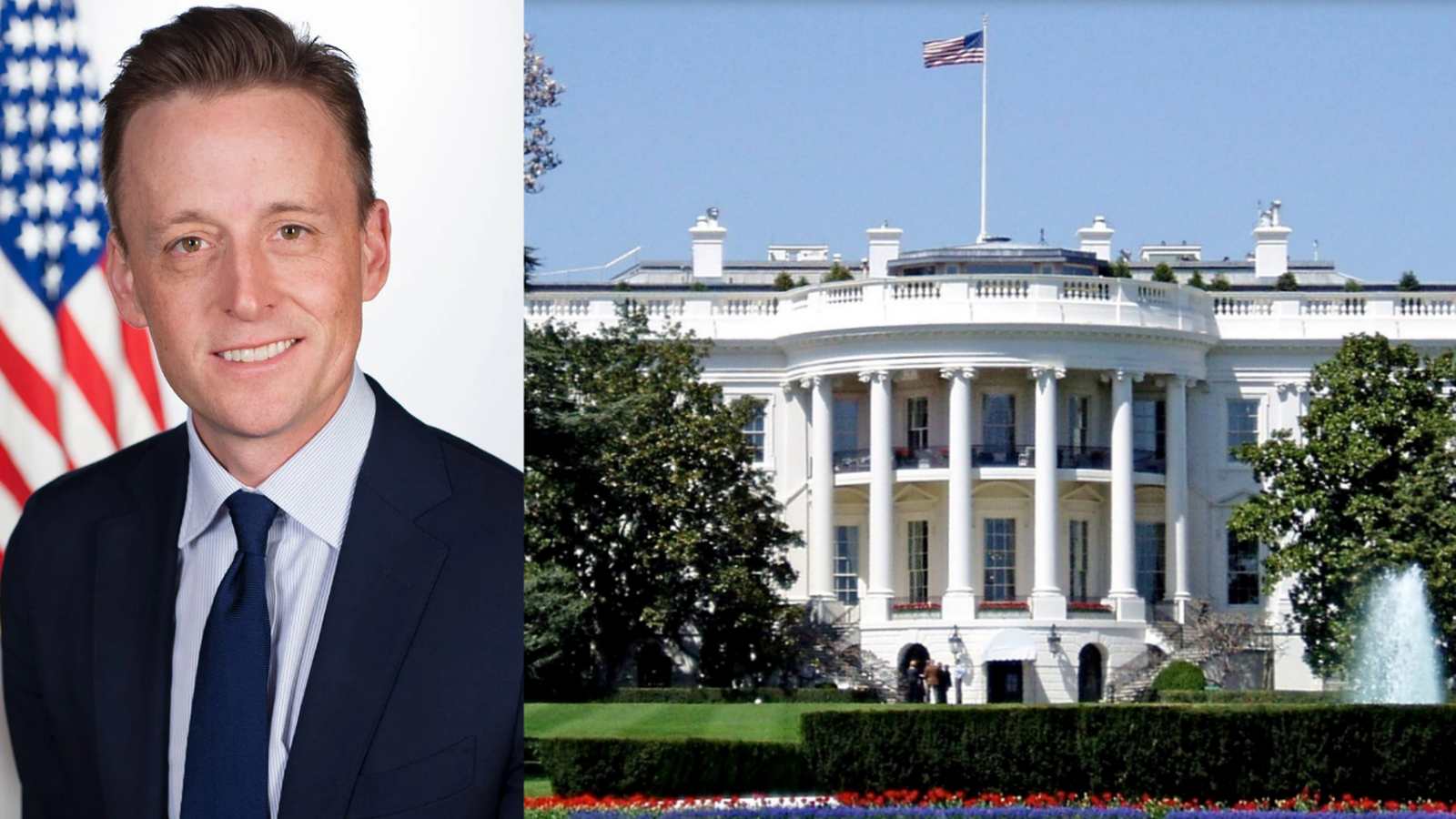
WASHINGTON (Azat TV) – The White House replaced national cyber director Sean Cairncross on Thursday, November 20, 2026, following a string of major technology failures that affected both public and private sectors across the United States. Administration officials confirmed the removal, which WINK News reported alongside NBC News, noting that a source close to the White House stated President Donald Trump fully supported firing Cairncross because he lacked the strong cyber credentials required for the post.
Cairncross had served as the Senate-confirmed national cyber director for more than a year, having taken the position in August 2025. During his tenure, the Office of the National Cyber Director coordinated cybersecurity policy and strategy across the federal government, while Cairncross personally engaged in administration deliberations over artificial intelligence policy, including dealings with major AI firms.
Transition to Acting Leadership Under Kirsten Davies
To fill the vacancy, Kirsten Davies, the Senate-confirmed chief information officer at the Defense Department, will take over the national cyber director role in an acting capacity. Secretary of Defense Pete Hegseth and Secretary of State Marco Rubio publicly congratulated Davies in social media posts on Thursday, praising her professional background and dedication.
In a social media statement responding to her appointment, Davies emphasized the technological crossroads facing the nation. She wrote that the country stands at the intersection of analog, digital, and quantum technologies, adding that the administration aims to modernize and drive resilience into foundational systems while building future cyber talent under Trump’s leadership.
Official Responses and Scrutiny Over Infrastructure Vulnerabilities
The high-level personnel change arrives while the United States confronts public anxiety over recent digital outages that exposed vulnerabilities in critical infrastructure. Democratic lawmakers criticized the administration’s response to the disruptions, warning that federal cyber defenses are not keeping pace with emerging, AI-driven threats.
While President Trump publicly downplayed the severity of the situation and urged citizens to relax, Secretary of State Marco Rubio adopted a more transparent approach during public remarks in Manila earlier in the week. Rubio stated there was zero evidence that hackers, criminals, or foreign governments were behind the tech outages, or that the separate incidents were connected, attempting to soothe public uncertainty after days of conflicting administration statements.
Broader Administrative Context and Next Steps
Cairncross is departing the Trump administration entirely, marking another high-profile departure within federal cyber leadership following the firing of the director and deputy director of the National Security Agency last year. Because Davies is stepping in as an acting director, the United States Senate will eventually need to confirm a permanent nominee to lead the Office of the National Cyber Director.
Analyzing the Administration’s Response and Personnel Strategy
The swift ousting of Sean Cairncross underscores a critical inflection point for the White House as it grapples with systemic vulnerabilities exposed by nationwide technical disruptions. While intelligence officials and administration spokespersons maintained that the cascading failures—which impacted commercial aviation, banking platforms, and select internal communications—stemmed from routine maintenance and software updates rather than hostile cyberattacks, the public fallout necessitated a decisive show of corrective action. Critics, particularly congressional Democrats, argued that the initial communications breakdown amplified public unease and underscored a wider gap in technical readiness.
By elevating Kirsten Davies from her post at the Department of Defense, the administration signaled a clear pivot toward technical competence and operational rigor. Unlike her predecessor, whose professional background leaned heavily into political operations and Republican National Committee logistics, Davies brings extensive information technology and cybersecurity experience derived from both private enterprise and defense leadership. Her background aligns closely with the administration’s stated priority to secure foundational federal architecture against modern threats, ranging from sophisticated state-sponsored intrusions to complex artificial intelligence risks.
Nevertheless, the acting nature of Davies’ appointment highlights an ongoing legislative reality. Because the Office of the National Cyber Director requires formal legislative confirmation, the White House must eventually navigate the Senate confirmation process to secure a permanent chief. This leadership transition ultimately serves as both a strategic reset for federal cyber policy and an administrative test of how effectively the executive branch can reassure an anxious public while reinforcing critical national infrastructure.