

Quick Read
- Wild Waves will permanently close on November 1, 2026.
- The park has been a regional staple since its opening in 1977.
- Financial losses, exacerbated by post-pandemic operational costs, drove the decision.
- The 70-acre site faces potential industrial or logistics redevelopment.
A Legacy Concludes in Federal Way
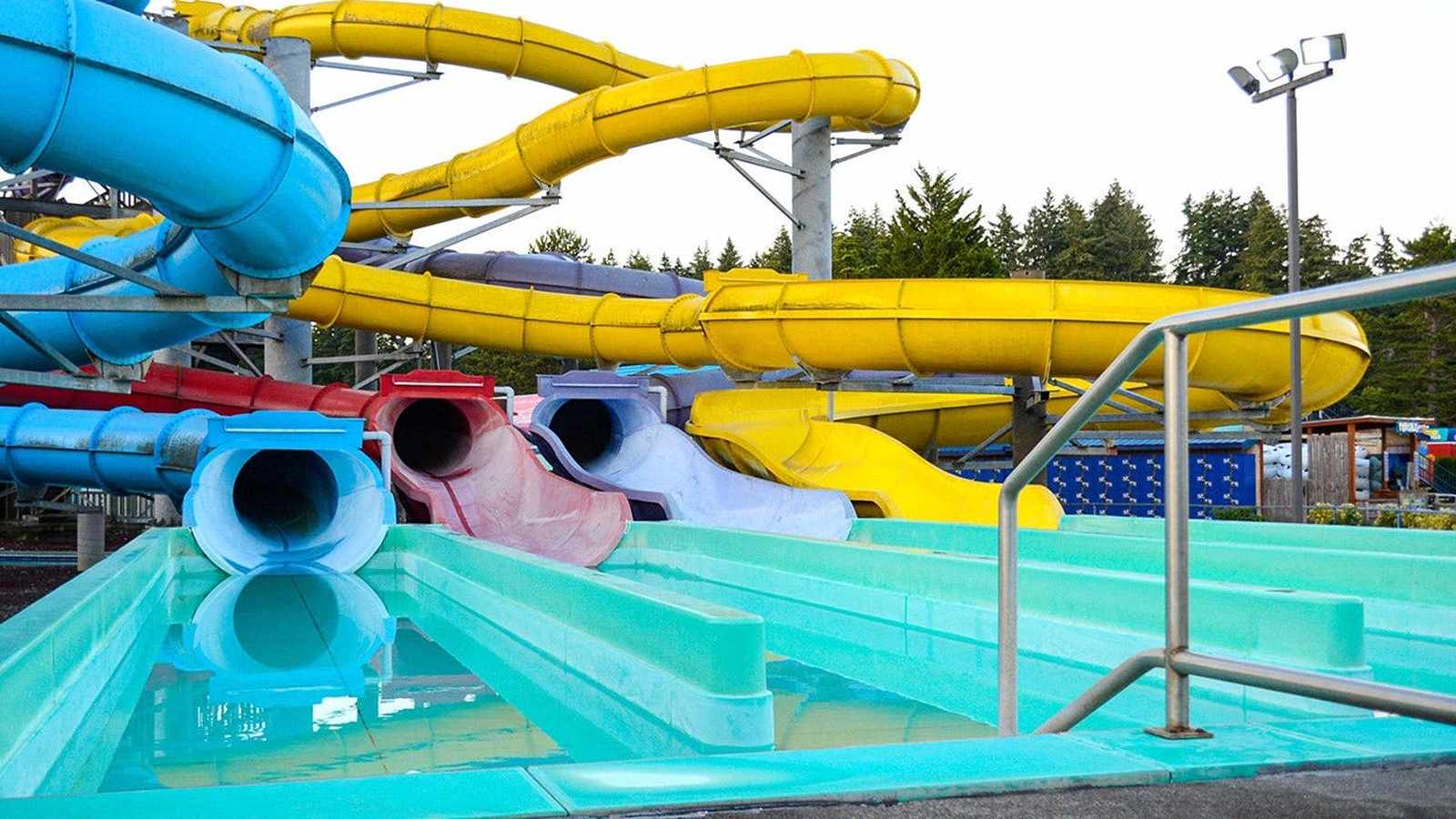
The Pacific Northwest’s entertainment landscape is set to undergo a significant transformation as Wild Waves Theme and Water Park, a staple of Federal Way, Washington, prepares to cease operations permanently. Following the commencement of its 50th season on June 2, 2026, the park’s management, Premier Parks, confirmed that November 1, 2026, will mark the final day of public access. This decision concludes a nearly half-century tenure that began in 1977, leaving a void in the region’s recreational infrastructure.
Economic Pressures and Operational Sustainability
The closure is attributed to a combination of mounting financial losses and the escalating costs of maintaining a large-scale entertainment facility in the post-pandemic era. According to statements from Premier Parks, the challenges of rising labor, maintenance, and operational expenses rendered the park’s business model unsustainable. Despite consistent attendance figures among local loyalists, the overhead required to manage the 70-acre site—which features over 30 attractions including the signature ‘Timberhawk: Ride of Prey’ wooden roller coaster—outpaced the park’s revenue generation capabilities.
Industry Trends and Land Redevelopment
The shuttering of Wild Waves reflects a broader trend within the North American amusement industry, where regional parks are increasingly facing pressures to pivot or liquidate. As land values in suburban corridors rise, many aging attractions are being reclaimed for industrial or logistics redevelopment. This shift is evident elsewhere in the United States; for example, major operators like Disney and Universal have recently engaged in significant demolition and renovation projects to replace legacy attractions with high-density, IP-driven experiences. The future of the 70-acre Federal Way parcel, currently held by EPI Realty Holdings, Inc., remains a point of speculation, with industrial usage likely to replace the recreational footprint.
Community Impact and Nostalgia
The announcement has sparked a wave of public sentiment, with community members utilizing social media to memorialize the park as a formative site for family traditions. The loss extends beyond the economic impact of displacing 35 full-time and approximately 800 seasonal employees; it represents the erasure of a generational gathering point. While fans continue to petition for a last-minute ownership transition, the reality of the impending November deadline underscores the fragility of mid-sized regional attractions in an increasingly capital-intensive entertainment market.
The closure of Wild Waves serves as a poignant case study on the lifecycle of regional infrastructure. As the Pacific Northwest transitions away from large-scale, legacy amusement destinations toward more efficient industrial or commercial land use, the loss highlights the growing tension between historical community value and contemporary economic viability. Without a shift in operational models that can absorb the rising costs of maintenance and labor, such landmarks are likely to continue disappearing from the suburban landscape, leaving only the memory of their cultural utility behind.