


Rocket Revolution and Commercial Expansion
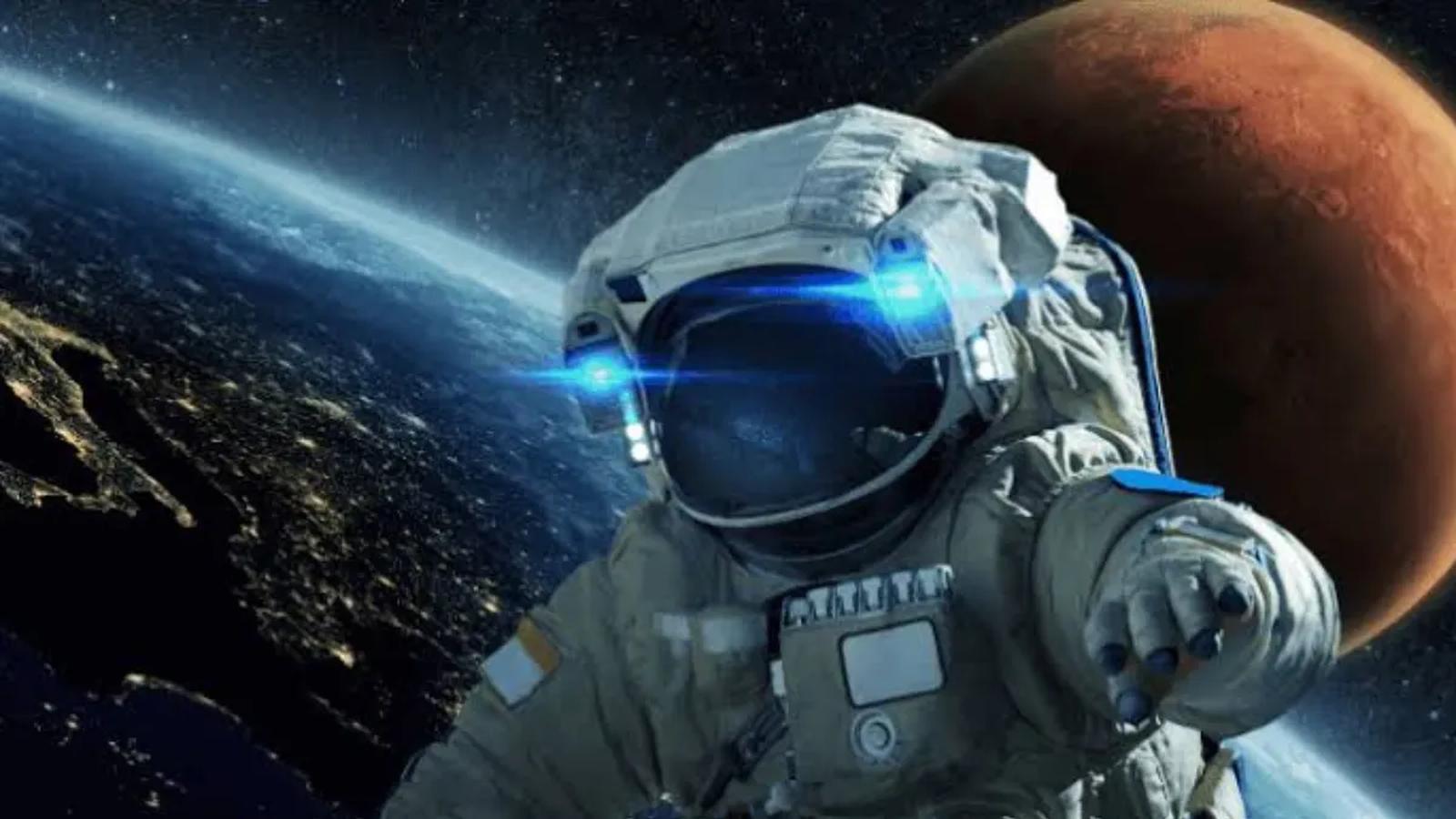
World Space Week officially opened on October 4, 2026, marking an annual celebration established by the United Nations General Assembly in 1999. Running through October 10, this year’s observation centres on the theme The Economic Times reported, highlighting how reusable launch vehicles and commercial startups are fundamentally transforming access to Earth orbit.
According to Dennis Stone, president of the World Space Week Association, the chosen theme recognises how more affordable launch prices and broader technological access have helped expand the global space ecosystem and foster innovative space applications. While traditional orbital access was once dominated by a small group of government-run programs relying on expendable rockets, the modern sector incorporates reusable boosters, private enterprises, universities, and growing national space agencies.
Historical Milestones and International Treaties
The dates for World Space Week commemorate two foundational moments in aerospace history. On October 4, 1957, the Soviet Union launched Sputnik 1, the first artificial satellite to orbit Earth, which inaugurated the Space Age Jagran Josh reported. Exactly a decade later, on October 10, 1967, the Outer Space Treaty entered into force, establishing fundamental legal principles for the peaceful exploration and use of outer space.
Global participation spans space agencies, educational institutions, museums, planetariums, and astronomy clubs. Scheduled activities include science exhibitions, public talks, and classroom demonstrations. In Florida, the Kennedy Space Center Visitor Complex planned a dedicated expo alongside NASA and industry partners, while Estes Education released a specialised educational toolkit for classrooms and community clubs.
Human Spaceflight Demographics and Future Missions
As the international community observes the 2026 milestone, human spaceflight continues to evolve through major upcoming missions. NASA executed its Artemis II lunar flyby mission, while subsequent Artemis deployments aim to land astronauts on the lunar surface. Simultaneously, China maintains objectives for a crewed lunar landing around 2030, and India prepares for its inaugural crewed Gaganyaan mission.
Statistical analyses compiled via the Karman line benchmark indicate that at least 746 individuals from 52 countries have travelled into space, encompassing professional astronauts and commercial space tourists. Demographically, women represent approximately 15 percent of all space travelers, with commercial spaceflight serving as a recent catalyst for expanding private female participation.
The Pokémon Cultural Collaboration
A notable pop-culture addition to the 2026 celebrations involves a collaborative initiative between the European Space Agency and The Pokémon Company International GoNintendo reported. The partnership features space-themed exhibitions across European museums and ESA facilities, alongside specialized in-game events within Pokémon GO. French astronaut Sophie Adenot further highlighted the collaboration by bringing a Pikachu plush aboard the International Space Station, aiming to engage younger audiences with STEM education and space exploration.