


Quick Read
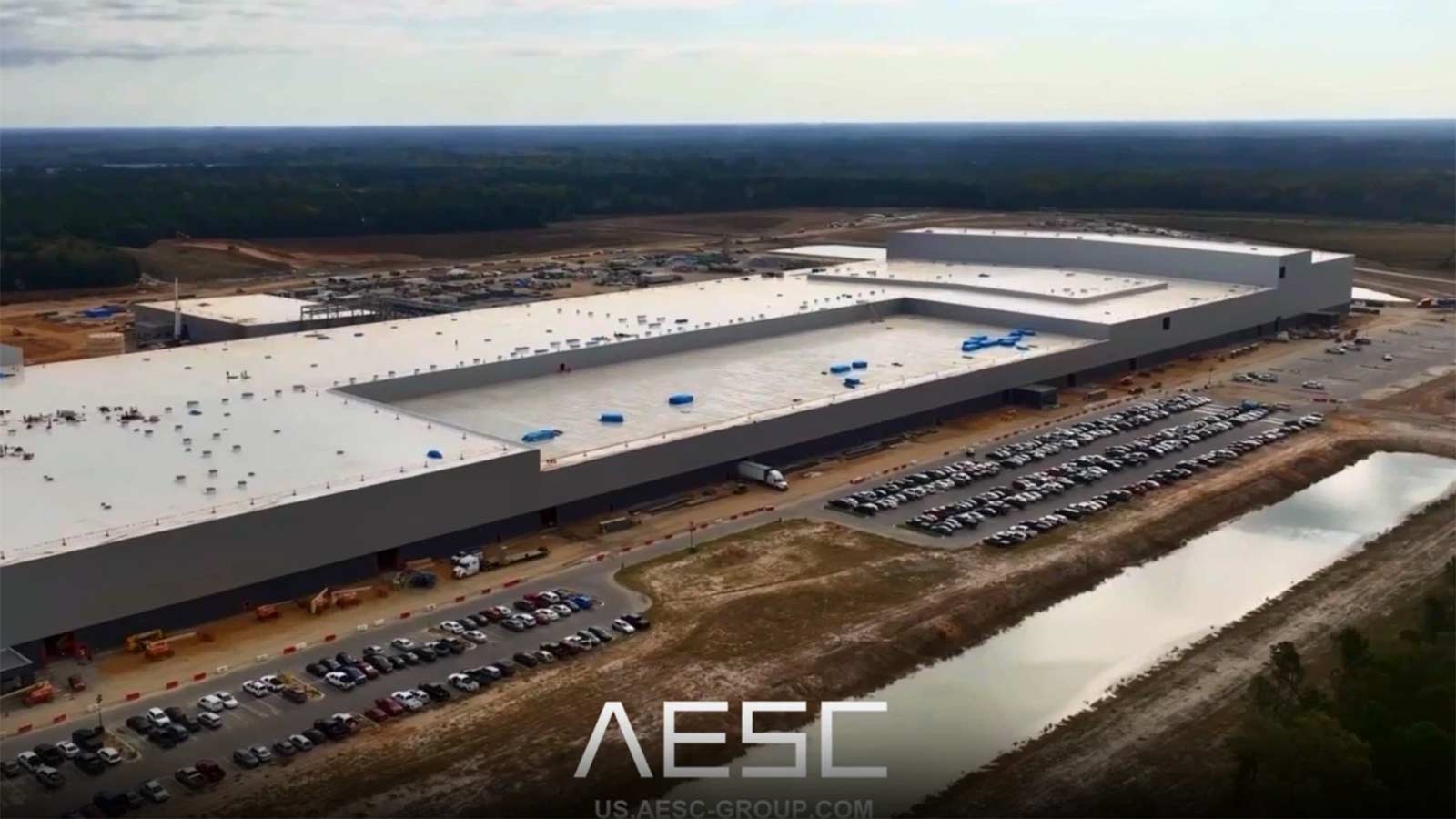
- AESC halts construction of a $1.6 billion EV battery plant in South Carolina.
- The Japanese company cites policy and market uncertainties for the pause.
- Commitment to invest $1.6 billion and create 1,600 jobs remains intact.
- BMW’s nearby battery assembly plant plans remain unchanged for 2026.
- South Carolina’s EV ambitions face challenges amid shifting federal policies.
Construction on a $1.6 billion electric vehicle (EV) battery plant in Florence, South Carolina, has come to an unexpected halt. Japanese battery manufacturer AESC, which had embarked on this ambitious project, announced the pause on Thursday, citing “policy and market uncertainty.”
The facility, once completed, is set to play a pivotal role in supplying battery cells to BMW’s nearby manufacturing hub, strengthening South Carolina’s position as a leader in EV innovation. However, the decision reflects broader challenges faced by global businesses navigating shifting U.S. policies.
Policy Shifts Create Hurdles for EV Investment
South Carolina Governor Henry McMaster addressed the situation, pointing to potential federal policy changes as a key factor. He noted concerns over the future of tax incentives for EV buyers and businesses, as well as tariff uncertainties. These challenges, originating during the Trump administration, continue to ripple through the industry.
McMaster urged patience, stating, “What we’re doing is urging caution—let things play out because all of these changes are taking place.” Despite these assurances, the pause underscores the fragility of such large-scale investments in a volatile policy environment.
AESC’s Commitment to South Carolina Remains
In its statement, AESC confirmed its intent to fulfill its commitment to invest $1.6 billion and create 1,600 jobs. The company has already poured $1 billion into the Florence facility, signaling long-term confidence in the region. Construction will resume “once circumstances stabilize,” the statement added.
AESC’s plant is a key supplier for BMW’s Greer facility, which is building its own battery assembly site slated to open in 2026. BMW confirmed that its timeline remains unchanged, even as AESC adjusts its plans.
South Carolina’s Ambitious EV Push
South Carolina has aggressively pursued EV manufacturing as a cornerstone of its economic strategy. In addition to AESC’s efforts, Volkswagen-owned Scout Motors is investing over $4 billion in the state to produce electric SUVs, with plans to hire 10,000 workers for a new facility scheduled to open in 2027.
However, the pause in AESC’s construction reveals the risks involved. Earlier this year, South Carolina officials withdrew $111 million in planned support for the project after AESC scaled back its plans. The state is still providing $135 million in grants and $121 million in bonds for the facility, with no immediate plans to claw back the funds despite the pause.
Global and Local Implications
AESC operates globally, with facilities in China, the United Kingdom, France, Spain, and Germany, as well as plants in Tennessee and an upcoming one in Kentucky. The halt in South Carolina is specific to this site and does not impact the company’s broader U.S. or global operations.
The decision comes at a time when South Carolina’s economic success relies heavily on its partnerships with foreign manufacturers like BMW, Michelin, and Samsung. As federal trade policies evolve, state leaders face pressure to ensure these relationships remain robust.
Governor McMaster remains optimistic, stating, “I think the goal of the president and the administration is to have robust economic growth and prosperity… changes are necessary, but they will work out.”
AESC’s pause is a stark reminder of the complexities surrounding the transition to electric vehicles. As South Carolina balances ambition with uncertainty, the EV sector’s future hinges on a stable policy framework and resilient partnerships.