


Winter Resilience and the Battle of the Bridges
On Monday, November 16, 2026, a sharp escalation in aerial warfare unfolded as freezing winter weather settled across Ukraine. According to a report by the BBC, the day marked the beginning of a strategic battle targeting critical transport infrastructure. Ukrainian forces launched a major wave of strikes against the Kerch bridge, which links Russia to illegally occupied Crimea, damaging its central road-bridge arch. The assault signaled a renewed campaign against vital logistical supply lines in the southern theater.
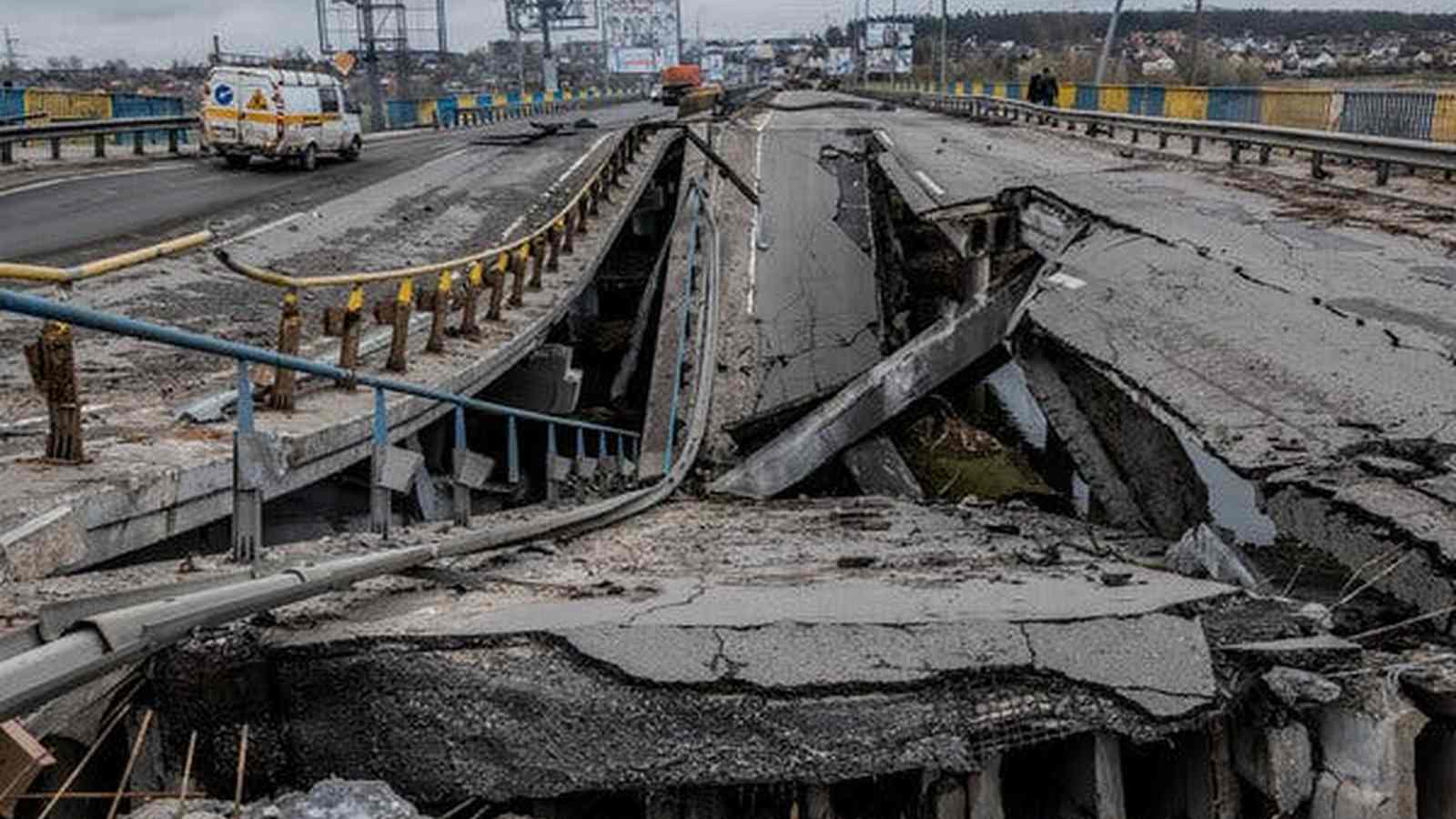
Hours later, in an apparent retaliatory move, Russian forces fired seven ballistic missiles at the Ukrainian capital, disabling two of the nine bridges crossing the River Dnipro. The destruction of these critical crossings has severely impacted civilian mobility and emergency transit within Kyiv, compounding the logistical strains of a conflict that has dragged on for more than four and a half years.
Daily Life Amid Air Raid Sirens and Electronic Disruption
Despite the persistent threat of aerial bombardment, life in Kyiv maintains a surface appearance of normalcy. Travelers arriving from the Polish border after an eight-hour drive encounter subtle defensive measures, such as mobile phone clocks shifting automatically to midnight as part of a wider strategy to disorient incoming Russian missiles and drones, as noted by the BBC.
However, this veneer of routine is frequently pierced by wailing air raid sirens. Residents routinely check mobile applications for red alerts signaling incoming projectiles, and specialized consumer gadgets are increasingly utilized to track the direction and type of approaching drones. Over the preceding couple of weeks, the frequency and volume of ballistic missile and drone attacks have risen significantly, placing immense psychological and physical pressure on the civilian population.
Infrastructure Stakes as Freezing Temperatures Set In
The convergence of severe winter weather and intensifying strikes creates a compounding humanitarian challenge. The disabling of the Dnipro river crossings restricts movement across the capital just as freezing temperatures take hold. Municipal authorities and emergency response teams face mounting difficulties in maintaining vital municipal services, repairing damaged energy grids, and ensuring transport links remain operational.
The prolonged nature of the war, now exceeding four and a half years, has tested the endurance of Ukrainian society to its limits. Yet, despite damaged bridges, constant air alerts, and the onset of harsh winter conditions, local resilience remains unbroken as communities adapt to the daily realities of wartime survival.
Examining the Strategic Depth of Recent Transport Strikes
The strategic importance of transportation arteries has become a central focus for military planners on both sides of the conflict. The Kerch bridge, a primary symbol and logistics conduit for Russian forces in occupied Crimea, has repeatedly faced targeted operations designed to degrade enemy supply chains. When Ukrainian forces landed successful strikes against its central road-bridge arch on November 16, 2026, the operation demonstrated an ongoing capability to strike high-value targets deep within contested zones.
Conversely, the subsequent barrage of seven ballistic missiles aimed at Kyiv underscored the immediate vulnerability of urban centers. By disabling two of the nine vital crossings over the River Dnipro, the strikes directly fragmented the internal geography of the capital. Emergency services, commercial transport, and daily commuters now contend with severe bottlenecks, forcing a reorganization of transit routes across the remaining operational bridges.
Psychological Adaptation and Municipal Endurance
Beyond the immediate structural damage, the psychological toll of sustained aerial assaults shapes the daily rhythm of urban existence. The integration of electronic defense mechanisms, including the deliberate manipulation of network time signals to confuse incoming guidance systems, illustrates how modern technology permeates civilian environments. Citizens navigate these invisible electronic interventions alongside tangible hazards, transforming smartphones into essential tools for survival rather than mere communication devices.
Consumer-grade tracking devices and hyper-localized alert applications reflect a society finely attuned to airborne threats. As temperatures drop below freezing, the resilience of Kyiv’s residents is tested not only by the immediate physical destruction of transport infrastructure but also by the relentless psychological wear of continuous air raid warnings. Municipal workers, utility crews, and ordinary citizens continually mobilize to patch fractured networks, clearing debris and restoring essential heating and power supplies under the constant shadow of potential renewed bombardment.